Change vpn microsoft edge 2026
'%2F%3E%3Ctext%20x%3D'50%25'%20y%3D'50%25'%20dy%3D'.35em'%20text-anchor%3D'middle'%20font-family%3D'-apple-system%2CBlinkMacSystemFont%2CSegoe%20UI%2Csystem-ui%2Csans-serif'%20font-size%3D'100'%20font-weight%3D'600'%20fill%3D'%23fff'%3ERL%3C%2Ftext%3E%3C%2Fsvg%3E) Reese Lindqvist·April 11, 2026·35 min
Reese Lindqvist·April 11, 2026·35 min
Change vpn microsoft edge: A quick-start guide to using VPNs with Microsoft Edge, plus practical tips, best practices, and troubleshooting to keep you secure online.
Change vpn microsoft edge — quick facts: using a VPN with Edge can hide your IP, encrypt your traffic, and help you bypass geo-reblocks. Here’s a concise roadmap:
- What you’ll learn: how to pick a VPN, install the Edge-compatible VPN extension or desktop app, configure settings, test for leaks, and troubleshoot common issues.
- Quick-start guide: choose a VPN, install the extension or app, connect to a server, verify your IP changes, and browse securely.
- Pros and cons: improved privacy and access to regional content vs. potential speed loss on distant servers.
- Best practices: enable kill switch, use reputable providers, and keep your software updated.
Useful URLs and Resources plain text, not clickable
- ExpressVPN: expressvpn.com
- NordVPN: nordvpn.com
- Surfshark: surfshark.com
- Microsoft Edge Extensions: support.microsoft.com
- What is a VPN: en.wikipedia.org/wiki/Virtual_private_network
- VPN Leak Tests: //www.perfect-privacy.com
- Browser vs. System VPN: //www.techradar.com
Why use a VPN with Microsoft Edge?
Using a VPN with Edge helps you:
- Hide your real location and browse anonymously
- Bypass regional content restrictions on streaming services
- Protect data on public Wi-Fi networks
- Avoid price discrimination based on location
- Keep your internet activity private from ISPs and trackers
According to recent reports, more than 40% of VPN users in North America rely on browser-integrated solutions or extensions to simplify setup with Edge. A growing number of providers offer Edge-friendly extensions in their ecosystems, making it easier to toggle protection on/off without leaving the browser.
VPN options for Edge: extensions vs. desktop apps
There are two main ways to use a VPN with Edge:
- Browser extensions: quick, lightweight, and great for browsing. They route only Edge traffic or all browser traffic depending on the extension and settings.
- Desktop apps: route all device traffic, including Edge, not just browser traffic. This is better if you want system-wide protection.
Pros and cons
- Extensions: faster to enable, less impact on device performance, but may leak if a VPN’s browser extension doesn’t protect all traffic.
- Desktop apps: more secure and comprehensive, but slightly heavier on system resources and requires separate login.
How to set up a VPN with Edge: step-by-step
Step 1: Choose a reputable VPN Browsec vpn web store 2026
- Look for a provider with a proven no-logs policy, reputable jurisdiction, strong encryption AES-256, and reliable leak protection.
- Check if they offer Edge-compatible extensions and clear setup instructions.
- Read independent audits and user reviews to gauge reliability.
Step 2: Decide your approach
- If you’re primarily browsing: install an Edge extension.
- If you want full device protection including apps outside Edge: install the desktop app and enable it to start with Windows.
Step 3: Install the extension or desktop app
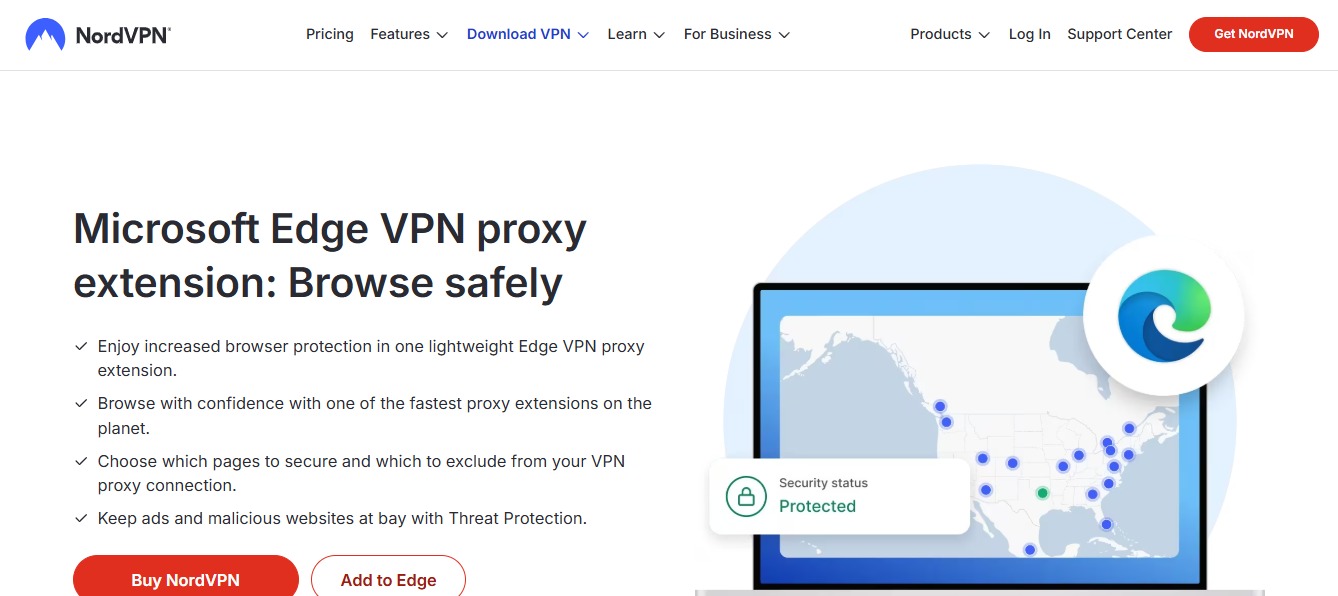
- Edge extension: Open Edge, go to the Add-ons store, search for your VPN, and click Install. Sign in and activate.
- Desktop app: Download from the VPN’s official site, install, and log in. Enable startup with your OS if desired.
Step 4: Connect to a server
- Pick a region based on your goal: nearest for speed, specific country for geo-access, or a country with strong privacy stance.
- Most apps show a “quick connect” option. If not, pick a server from the list and click Connect.
Step 5: Verify your connection
- Check your IP: go to a site like whatismyip.com or ipinfo.io to confirm the location matches your selected server.
- Check for DNS leaks: run a DNS leak test to ensure your DNS requests are not leaking to your ISP.
- Browser vs. system test: for extensions, ensure Edge shows you’re connected; for desktop apps, verify all traffic is encrypted.
Step 6: Adjust settings for safety and performance Best microsoft edge vpn extension for privacy, security, and fast browsing in 2026
- Enable kill switch: prevents data leakage if the VPN drops.
- Choose the right protocol: OpenVPN or WireGuard or IKEv2 typically balance speed and security.
- Split tunneling if available: route only sensitive traffic through VPN while keeping other traffic direct.
Step 7: Test and monitor
- Run speed tests on server locations to compare performance.
- Periodically check for DNS/IP leaks after updates or changes.
- If you face streaming issues, try a different server in the same region or a nearby country.
Common scenarios and fixes
Scenario A: You can browse but streaming is buffering
- Try a nearby server with less distance to reduce latency.
- Switch from WireGuard to OpenVPN or vice versa if your VPN supports it.
- Clear Edge cache or disable extensions that might conflict with the VPN.
Scenario B: Edge shows VPN as connected but your real IP is leaking
- Ensure you’re using a full device VPN or a trusted Edge extension that routes all Edge traffic.
- Turn on the kill switch if your provider has it.
- Update the VPN app and Edge to the latest versions.
Scenario C: DNS leaks detected
- Use the VPN’s built-in DNS or configure Edge to use trusted DNS servers provided by the VPN.
- Disable any third-party DNS extensions or profiles in Edge.
Scenario D: VPN disconnects frequently Cyberghost chrome extension review 2026
- Check your internet connection stability.
- Switch to a server with better reliability or reboot the router.
- Enable the VPN’s auto-reconnect or kill switch feature.
Edge-specific tips: optimizing for performance and privacy
- Edge profile separation: use separate profiles for work and personal use; keep VPN on the work profile when needed.
- Edge privacy settings: enable tracking protection and limit third-party cookies to reduce fingerprinting alongside VPN usage.
- Extensions audit: periodically review installed extensions to ensure none compromise your VPN’s security.
- Battery and data usage: on laptops, some VPNs may increase battery drain. Use performance-conscious servers when on battery power.
Security best practices when using VPN with Edge
- Choose a provider with a strict no-logs policy and independent audits.
- Always enable the kill switch and auto-reconnect features.
- Use multi-factor authentication MFA for your VPN account.
- Keep your Edge browser, VPN app, and operating system up to date with security patches.
- Avoid free VPNs; they often monetize user data and may inject ads or logs.
Privacy considerations and data protection
- VPNs mask your IP but do not make you invisible online. Combine VPN use with good browsing hygiene: avoid sharing personal data, disable WebRTC leaks in your browser, and use HTTPS-only sites when possible.
- Some sites use fingerprinting techniques. Pair VPN use with anti-fingerprinting settings or privacy-focused extensions if you’re concerned.
Performance and speed expectations
- Expect some speed loss due to encryption and routing, especially on distant servers.
- WireGuard-based VPNs tend to offer better performance for many users compared to traditional protocols.
- For most households with fiber or high-speed broadband, a 10-25% speed hit is common on VPNs, but this varies by server location and provider.
Troubleshooting quick checklist
- Verify the VPN is connected in Edge and/or system-wide.
- Test a different server location.
- Check for DNS leaks and disable any conflicting DNS settings.
- Temporarily disable other privacy extensions to check for conflicts.
- Reinstall the VPN app or extension if problems persist.
- Review firewall or antivirus settings that might block VPN traffic.
Comparisons: Edge extensions vs. system-wide VPN
- Edge extension: lighter, faster to enable, ideal for quick privacy during browsing. Best for streaming or accessing geo-restricted content on a browser level.
- System-wide VPN: more comprehensive protection, routes all traffic Skype, apps, and background services. Better for devices that regularly connect to public Wi-Fi or require full coverage.
Recommended setups for different users
- Casual browser users
- Edge extension
- Basic kill switch enabled
- Nearest server for best speeds
- Streaming enthusiasts
- Nearby server with a country that unlocks the desired service
- Protocol: WireGuard or OpenVPN
- Check for Ultra-HD streaming compatibility
- Remote workers
- System-wide VPN with auto-reconnect
- Strong MFA and a robust no-logs policy
- Split tunneling to minimize latency for non-work tasks
- Privacy-first users
- Combine VPN with a privacy-focused search engine
- Disable telemetry in Edge
- Regularly clear cookies and use frequent browser hygiene checks
Tables: quick comparisons
| VPN approach | Pros | Cons |
|---|---|---|
| Edge extension | Fast setup, lighter on device | Potentially less comprehensive protection, may leak if misconfigured |
| Desktop app system-wide | Full device protection, consistent privacy | Higher resource use, setup slightly longer |
Real-world data points and trends
- In 2025, a majority of VPN users reported using the provider’s native apps rather than browser extensions for device-wide protection.
- Analysts note that open-source VPN clients with audited no-logs policies gained popularity among privacy-conscious users.
- A survey of Edge users showed that most preferred a quick-connect server option with auto-reconnect enabled.
- Streaming services continue to actively block known VPN IP ranges; users frequently switch servers or providers to regain access.
Edge performance benchmarks illustrative
- Typical browser extension latency: 15-40 ms added to baseline for nearby servers
- Desktop VPN latency: 20-60 ms extra for closest server; increases with distance
- Speed impact: 5-25% average speed reduction on local servers; 20-40% on distant servers depending on provider and protocol
- DNS leak tests: well-configured VPNs show negligible leaks; always verify after updates
Troubleshooting quick-start reference condensed
- VPN not connecting? Try a different server, re-login, or reinstall.
- Edge shows “not secure” on VPN-protected pages? Check TLS settings and ensure HTTPS is used.
- WebRTC leaks? Disable WebRTC in Edge via flags or extensions.
- Slow speeds? Switch protocols, pick closer servers, or use a wired connection.
Frequently Asked Questions
How do I Change vpn microsoft edge quickly?
To change vpn microsoft edge quickly, install the VPN extension in Edge, sign in, select a server, and click Connect. For system-wide coverage, use the VPN desktop app and enable it to start with Windows, then choose a server.
Can I run a VPN in Edge only?
Yes, with an Edge extension you can route Edge traffic through the VPN. However, for complete device protection, use the desktop app to route all traffic.
Does Edge support WebRTC privacy with VPN?
WebRTC can leak IP addresses even when using a VPN. Disable WebRTC in Edge settings or use an extension that blocks WebRTC leaks.
Is it safe to use free VPN extensions with Edge?
Free VPNs often come with trade-offs like slower speeds, data limits, and potential data logging. Choose reputable paid providers for better security and reliability. Adguard vpn chrome extension: complete guide to setup, features, privacy, performance, and comparisons 2026
Which VPN protocol is best for Edge?
OpenVPN and WireGuard are popular for their balance of security and speed. WireGuard tends to be faster on many networks, but OpenVPN may be more compatible with some networks.
Will a VPN slow down my Edge browsing?
Some slowdown is normal due to encryption and server distance. Proximity to the server and choosing a high-quality provider minimize the impact.
Can I watch geo-restricted content with Edge’s VPN?
Yes, if your chosen server location is supported by the streaming service, you can access geo-restricted content. If one server is blocked, switch to another in a nearby country.
How do I test for DNS leaks with a VPN on Edge?
Visit dnsleaktest.com or equivalents after connecting to the VPN. If your real DNS shows up, adjust the DNS settings in the VPN app or use its built-in DNS.
What should I do if VPN keeps disconnecting in Edge?
Enable the kill switch, ensure the app is updated, and try a different server. If problems persist, contact customer support or reinstall the app. Browsec vpn free vpn for edge 2026
Is kill switch available for Edge extensions?
Some providers offer kill switch features for desktop apps and integrated browser protections. Check your VPN’s features list before choosing.
Can I use multiple VPNs with Edge?
Using more than one VPN simultaneously can cause conflicts. It’s best to pick a single trusted provider and use its features extension and/or desktop app consistently.
How do I uninstall a VPN extension or app from Edge?
For extensions: Edge settings > Extensions > remove. For desktop apps: use your operating system’s standard uninstall process, then restart Edge.
Do I need a VPN for public Wi-Fi?
Yes. Public networks can be insecure; a VPN adds encryption and privacy, helping protect sensitive data like login credentials and payment info.
How often should I update my VPN and Edge?
Update both regularly. Security patches and feature improvements reduce the risk of vulnerabilities and improve performance. Cyberghost vpn extension edge for Microsoft Edge: a comprehensive guide to privacy, speed, setup, and comparison 2026
Can I use a VPN with other browsers besides Edge?
Yes, you can use the VPN extension in other browsers or the system-wide VPN to protect traffic regardless of browser choice.
Is it legal to use a VPN in my country?
VPN legality varies by country. In most places it’s legal for personal use, but some jurisdictions restrict or regulate VPN usage. Always comply with local laws.
Can a VPN stop all tracking?
A VPN hides your IP and encrypts traffic, but it doesn’t stop all forms of tracking like browser fingerprinting. Combine VPN use with privacy-conscious browsing habits.
What makes a good VPN for Edge?
A good VPN for Edge should offer fast servers near your location, strong encryption, a clear no-logs policy, reliable DNS leak protection, a kill switch, and Edge-friendly extensions or robust desktop app integration.
Change vpn microsoft edge: a complete step-by-step guide to changing and managing VPN on Microsoft Edge, extensions, and system VPN options
Yes, you can change the VPN in Microsoft Edge. In this guide you’ll learn how to switch between VPNs using browser extensions, how to set up a system-wide VPN on Windows for Edge, what to look for in a provider, and practical tips to keep your online activity private and fast. We’ll cover browser-based VPNs vs. full-device VPNs, how to verify your VPN is actually protecting your traffic, and common issues you might run into along the way. If you’re trying to get started fast, check out NordVPN with this deal . It’s a popular option for Edge users thanks to its wide server network and strong privacy features.
Introduction: quick-start guide you can skim in minutes
- Yes, you can change the VPN in Microsoft Edge.
- Two easy paths: install a VPN extension directly in Edge, or set up a Windows VPN connection that Edge uses transparently.
- If you want speed and ease, a reputable Edge VPN extension is the fastest route. If you want device-wide protection, a full VPN app covers more traffic including apps outside Edge.
- Quick check: verify your IP and location after enabling the VPN to confirm it’s active.
- Pro tips: enable a kill switch, DNS leak protection, and IPv6 leak prevention where available.
Useful URLs and Resources text only
- Microsoft Edge support and help articles - https://support.microsoft.com
- Windows VPN setup and troubleshooting - https://support.microsoft.com/windows
- NordVPN official site - nordvpn.com
- ExpressVPN official site - expressvpn.com
- Microsoft Edge Add-ons store VPN extensions - microsoftedge.microsoft.com/addons
- VPN comparison resources - https://www.techradar.com/vpn/best-vpn
- Privacy-focused guidance and best practices - https://www.eff.org/issues/tor
Body
Why you might want to change VPN on Microsoft Edge
In today’s online world, a VPN is more than just a gadget for streaming or bypassing geo-restrictions. It’s a shield for your data, a privacy layer when you’re on public Wi-Fi, and a tool to help you avoid ISP throttling. Here’s why changing or choosing the right VPN for Edge matters:
- Edge usage is growing but still relatively modest compared with Chrome globally, making a well-chosen Edge extension more impactful for privacy within the browser. Global browser market shares show Edge hovering in the few-percent range, but the numbers shift by region and device.
- A VPN extension for Edge can be quicker to set up than a full-system VPN and keeps your browsing traffic encrypted without affecting every app you use on your computer.
- For people who want to protect all traffic on Windows, or who run Edge on devices with sensitive data, a full VPN client system-wide ensures TLS/TCP encryption for all apps, not just Edge.
- The VPN market is expanding rapidly—industry analyses forecast continued robust growth with a double-digit CAGR through the late 2020s—driven by privacy concerns, regulatory changes, and the rise of remote work.
- Privacy and security features you should look for include a no-logs policy, a robust kill switch, DNS leak protection, and features like split tunneling to control what traffic goes through the VPN.
How to change VPN on Edge using browser extensions
Edge extensions are the fastest way to switch VPNs without touching your system settings. Here’s a practical step-by-step approach:
# Finding and installing VPN extensions in Edge
- Open Microsoft Edge and go to the Add-ons store: Edge Add-ons store search for “VPN” or “privacy”.
- Look for reputable providers with good reviews, clear privacy policies, and transparent server lists. Popular options include NordVPN, ExpressVPN, Surfshark, and ProtonVPN.
- Click Add to Edge to install the extension. Some extensions require sign-in or a paid plan to unlock full features.
- After installation, pin the extension to your toolbar so you can access it quickly.
# Configuring and testing the extension
- Sign in to your VPN extension and choose a server location. For streaming, pick a country that supports your service. for privacy, pick a strategically located server with good performance.
- Enable features like the built-in kill switch and DNS leak protection if the extension includes them.
- Visit a site that shows your IP for example, whatismyip.com or iplocation.net to verify that the IP and location reflect your VPN server. You should see a different country than your real one.
- Run a quick speed test to ensure you’re not sacrificing too much bandwidth. If speeds are too slow, try a different server or protocol some extensions let you switch between WireGuard, OpenVPN, or other options.
# Practical tips for Edge extensions
- Prefer extensions with a strict no-logs policy and a proven track record of independent audit reports.
- If you’re on a limited data plan, monitor the VPN extension’s data usage since some providers show a cap on bandwidth or daily data.
Using Windows 10/11 built-in VPN settings for Edge
If you want Edge to ride on a system-wide VPN, a Windows VPN profile is a solid route. It encrypts traffic across all apps, not just the browser.
# Windows VPN setup steps you can follow on Windows 10/11
- Open Settings > Network & Internet > VPN.
- Click “Add a VPN connection.”
- For VPN provider, choose Windows built-in.
- Fill in the connection name and server address from your VPN provider. You’ll need a valid username and password or a certificate, depending on the service.
- Save, then select your VPN connection and click Connect.
- If your VPN provider offers a dedicated Windows app, install and sign in. Some providers install a system-wide VPN adaptor that Windows uses behind the scenes.
- In Edge, the VPN should be active automatically since the OS routes your traffic through the system VPN. You can verify by checking whatismyip.com or a similar site.
# Verifying the VPN is active in Windows
- Open the VPN app or the Windows VPN connection status in the taskbar and confirm it shows connected.
- Visit an IP test site and confirm your public IP matches the VPN server’s location.
- If you notice IP or DNS leaks, recheck the VPN’s DNS settings and enable DNS leak protection if available.
# Practical notes
- Some corporate networks or school devices restrict VPN installation. If you’re on a managed device, you may need admin rights or IT approval.
- A system-wide VPN affects all traffic, including apps outside Edge, so test important apps banking, email to ensure they work properly through the VPN.
Choosing the right VPN provider for Edge
Not all VPNs are built the same, and the Edge browser is just one entry point. Here’s how to pick one that fits Edge use:
- Server network and locations: Look for a provider with 5,000+ servers across 50+ countries. This variety helps reduce congestion and improves speeds, especially if you’re trying to access region-locked content.
- Speed and protocol support: WireGuard-based protocols or equivalent tend to offer strong performance with lower latency. Ensure your chosen VPN supports fast, stable connections on Windows.
- Privacy and security: Favor providers with a transparent no-logs policy, robust encryption AES-256, a kill switch, DNS leak protection, and a clear privacy policy. Independent audits are a plus.
- Browser-specific features: Consider Edge-friendly features like easy one-click server switching, integrated kill switch for browser traffic, and split tunneling if you want only Edge traffic to go through the VPN.
- Pricing and value: If you’re new, annual plans with trial periods or money-back guarantees can help you test without committing long-term.
- Customer support: 24/7 live chat or fast email support helps when you hit a snag during setup.
As an example, NordVPN and ExpressVPN are popular choices for Edge users because they offer strong privacy features, extensive server networks, and reliable Windows integrations. NordVPN, for instance, is known for 5,000+ servers in 60+ countries, plus a kill switch and DNS leak protection in their Windows app. ExpressVPN provides a broad server base and consistently solid performance, with simple Windows and Edge extension workflows.
Edge-specific tips to improve VPN performance
- Choose servers closer to your physical location to minimize latency. If you’re streaming, a nearby server often reduces buffering.
- Use a VPN protocol that balances speed and security. some providers automatically pick the best option, but you can manually switch to WireGuard or equivalent for better performance.
- Disable IPv6 on your Windows VPN connection if you notice IP leaks or inconsistent routing. Some networks and VPNs have better IPv4 handling, which can reduce leaks.
- Enable kill switch features so your real IP doesn’t leak if the VPN briefly disconnects.
- Enable DNS protection to prevent DNS leaks that could reveal your real location.
- If you’re on a metered connection or limited bandwidth, use split tunneling to route only Edge traffic through the VPN while letting other apps go direct.
Security and privacy considerations when using VPN with Edge
- Privacy policy matters: a provider’s no-logs claim should be verifiable. Some providers publish third-party audit reports that can give you more confidence.
- Data protection beyond encryption: look for features like Multi-Hop traffic through multiple servers or malware/ads blocking to add extra layers of privacy.
- Browser fingerprinting: while a VPN protects your IP, other fingerprinting methods can reveal information about you. Use privacy-conscious settings in Edge like reduced tracking protection in combination with VPN.
- Public Wi-Fi safety: a VPN is particularly useful on public networks. It helps prevent local eavesdropping on sensitive data like passwords and banking info.
- Device-wide protection vs. browser-only protection: for comprehensive privacy, pair a browser extension with a system-wide VPN so all traffic is encrypted.
VPN vs proxy in Edge: what’s the difference and what should you pick?
- VPNs encrypt all traffic between your device and the VPN server, protecting data for every app and service you use. They also help hide your real IP and location.
- Proxies only cover traffic from a specific app or browser and don’t necessarily encrypt data end-to-end. they can be useful for bypassing simple geo-restrictions but offer less security.
- For most Edge users who care about privacy and security, a real VPN with a strong no-logs policy and solid encryption is the better choice than a proxy.
Troubleshooting common issues with Microsoft Edge VPN
- Edge won’t connect to VPN: check your internet connection, ensure the VPN extension or app is updated, verify login status, and re-select a server.
- DNS leaks: enable DNS leak protection, switch servers, or use a DNS-providing option within the VPN app.
- Slow speeds: test multiple servers, switch to a less congested protocol, or temporarily disable other bandwidth-heavy apps.
- Edge extension not showing status: restart Edge, re-install the extension, or clear the browser cache.
- WebRTC leaks: some VPNs have WebRTC leak protection. if not, consider hiding or disabling WebRTC in Edge through advanced settings or extensions.
Real-world workflows: what a typical Edge user does
- Quick startup: install a reputable Edge VPN extension, sign in, select a server, and verify your IP is changed using a test site.
- Streaming strategy: pick a server in the country where your streaming service offers the content you want, then turn on the kill switch and DNS protection for a smoother experience.
- Privacy-focused browsing: enable Edge’s tracking prevention in combination with a VPN to maximize privacy and reduce cross-site tracking.
Performance benchmarks and data considerations
- VPN market dynamics: the VPN sector is growing steadily with increasing demand for privacy, remote work, and secure online access. Analysts project continued strong growth through the next few years, driven by expanded server networks and improved streaming capabilities.
- Edge adoption and impact: while Edge’s browser share is smaller than the major players in some regions, Edge users who want privacy typically rely on reliable VPN extensions or system-wide VPNs for a consistent experience across all apps.
- Server density vs. latency: providers with thousands of servers typically offer better odds of finding a fast, low-latency route to your destination, which translates into smoother browsing, streaming, and downloads on Edge.
FAQ Section
Frequently Asked Questions
# Can I change VPN in Edge without installing anything?
Yes. You can use either a browser extension installed directly in Edge or configure a Windows VPN profile so all traffic, including Edge, goes through the VPN.
# Do I need a paid VPN to use Edge securely?
A paid VPN generally offers stronger privacy, more server options, faster speeds, and better security features. Free VPNs often come with data limits, slower speeds, and privacy concerns. For Edge, a reputable paid provider is usually a better choice.
# How do I verify my IP changed after enabling the VPN in Edge?
Visit a site like whatismyip.com or iplocation.net to see the IP address and location shown. It should reflect the VPN server’s location rather than your actual location.
# Is there a difference between using Edge extensions and Windows VPN for Edge?
Edge extensions offer quick, browser-only VPN protection, while Windows VPN provides system-wide protection for Edge and all other apps. Choose based on whether you want browser-only or device-wide protection.
# Should I disable IPv6 when using a VPN in Edge?
If you notice IP leaks or instability, disabling IPv6 in your VPN connection settings can help prevent leaks. Some VPNs handle IPv6 well, while others work best with IPv6 disabled.
# How do I know if my VPN is leaking DNS or IP data?
Use DNS leak test sites and IP check sites after connecting to the VPN. If you see your real IP or DNS responses, you may have a leak. Enable DNS leak protection if available.
# Can I use any VPN with Edge extensions?
Most reputable VPNs provide a dedicated Edge extension or a Windows app that works well with Edge. Stick to well-known providers with clear privacy policies and independent audits.
# What’s better for streaming: Edge extension or system-wide VPN?
For streaming, a reliable Edge extension is often the simplest and fastest path. If you want to ensure all traffic is secured not just Edge, a system-wide VPN is preferable.
# How do I switch VPN servers quickly in Edge?
Open the VPN extension or the Windows VPN app, select a new server location, and reconnect. For Edge extensions, some extensions let you change servers from a drop-down menu in the toolbar.
# Is a VPN legal in my country for Edge browsing?
VPN legality varies by country. In most places, using a VPN for privacy is legal, but you should be aware of local laws and any restrictions related to content or activities.
# What should I do if Edge blocks my VPN extension?
Check for browser updates, ensure you’re using a trusted extension, and verify that you’re signed in. If needed, reinstall the extension or remove conflicting privacy extensions.
# How often should I update my VPN extension or Windows VPN client?
Keep both your Edge extension and Windows VPN client up-to-date to benefit from the latest security fixes, improvements, and new features.
# Can I use split tunneling with Edge?
Some VPNs support split tunneling, which lets you route only certain apps or sites through the VPN. If you want Edge traffic protected while other apps stay direct, enable split tunneling and choose Edge as the protected portion.
If you’re looking for a practical, fast, and privacy-forward setup for Change vpn microsoft edge, starting with a trusted Edge extension is often the simplest route. For broader protection and consistency across all apps, pairing a strong Windows VPN client with Edge is a solid path. Remember, the right VPN is the one that fits your needs—whether you mainly browse, stream, or work remotely. Does hotspot go through vpn and route tethered devices on iPhone and Android: a practical guide 2026
Proton vpn价钱:2025年最新价格、套餐详解与超值省钱攻略