Does microsoft edge come with a vpn built-in or do you need a separate VPN for Microsoft Edge in 2026
 Atticus Marlowe·Updated ·14 min
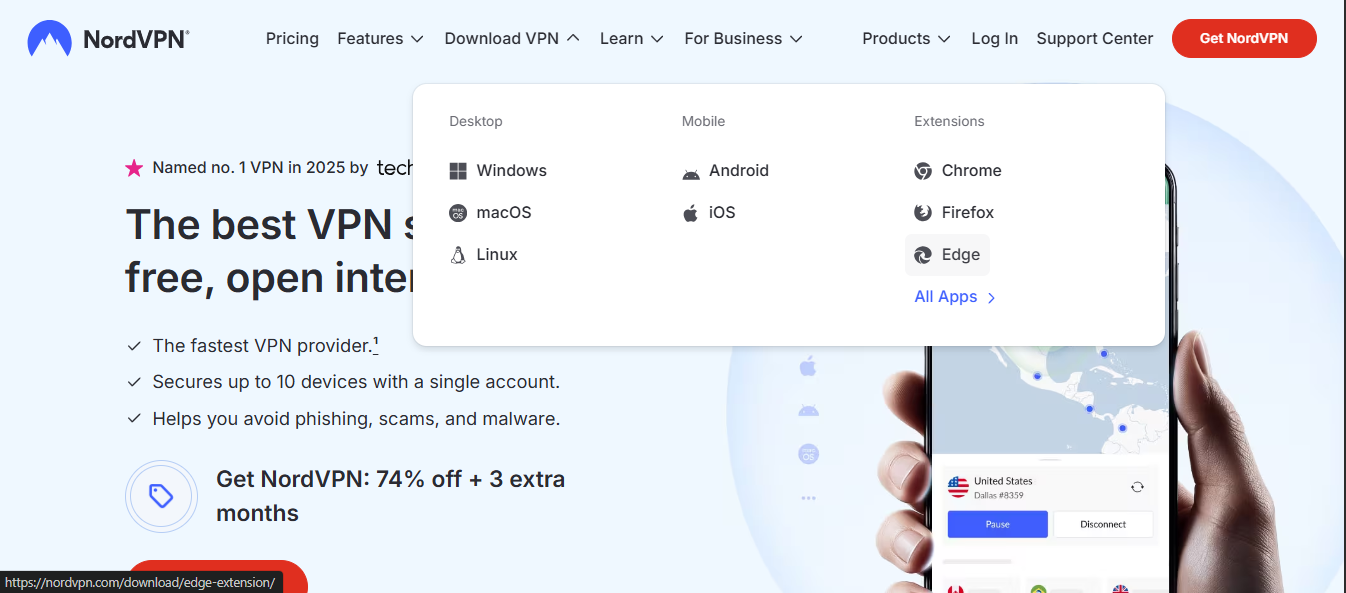
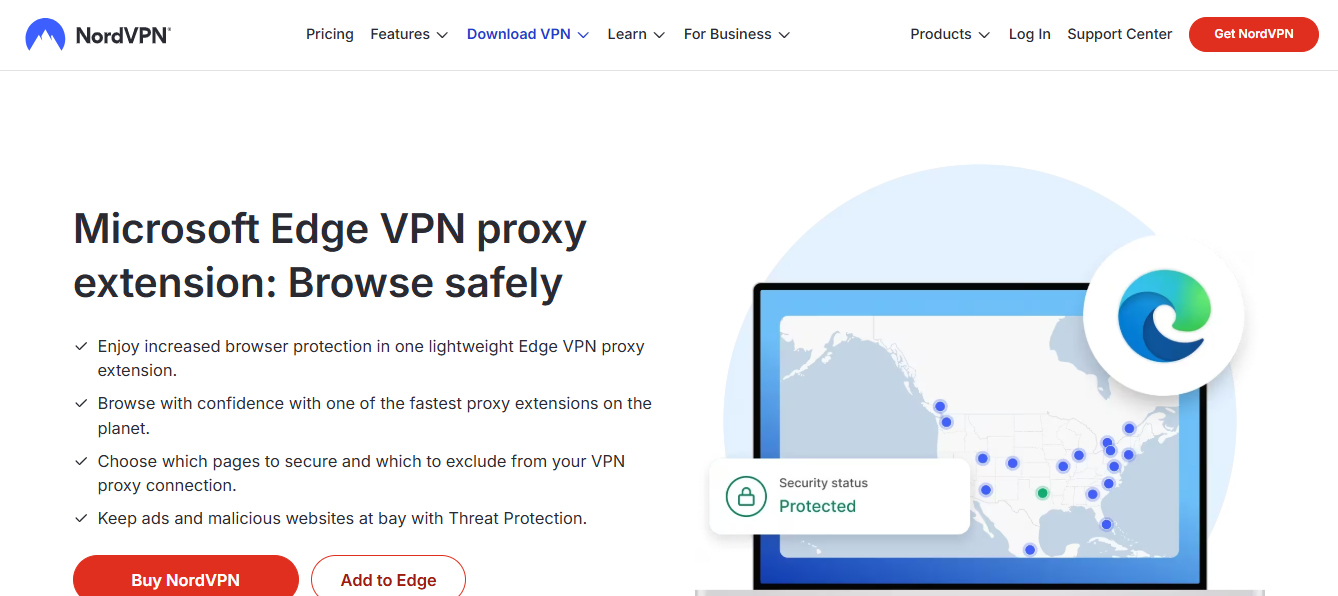
Yes or no: Microsoft Edge does not come with a built-in VPN. In this guide, you’ll learn exactly how to protect your Edge browsing with VPN extensions, standalone VPN apps, and practical tips to keep your data safe online. We’ll cover:
- The difference between browser extensions and system-wide VPNs
- How to install VPNs on Edge via extensions and how to use VPN apps with Edge
- How to test your connection, avoid leaks, and maximize privacy
- Real-world performance expectations and best practices
- Troubleshooting, common issues, and practical alternatives
If you’re curious about boosting your online privacy today, check out this NordVPN deal that’s hard to pass up:
Useful resources un clickable text only: Nord vpn edge extension for Microsoft Edge: comprehensive guide to setup, features, privacy, and performance
- Microsoft Edge extensions support - https://support.microsoft.com/en-us/microsoft-edge/add-ons
- How to use extensions in Microsoft Edge - https://support.microsoft.com/en-us/microsoft-edge/add-ons-consent
- NordVPN official site - https:// nordvpn.com
- ExpressVPN official site - https://expressvpn.com
- ProtonVPN official site - https://protonvpn.com
- Windscribe VPN official site - https://windscribe.com
- Windows VPN setup help - https://support.microsoft.com/help/4026319/windows-10-connect-to-a-vpn
- DNS leakage test - https://www.dnsleaktest.com
- IPv6 and VPN basics - https://www.cloudflare.com/learning/security/what-is-vpn/
Understanding Edge and VPNs: the basics
Edge, like other Chromium-based browsers, does not include a native VPN service. A VPN virtual private network encrypts your traffic and routes it through a remote server, while Edge is just the browser you’re using to access the web. Because Edge doesn’t ship with a built-in VPN, you have two reliable paths to get VPN functionality while browsing:
- Use a VPN extension in Edge browser-level protection for browser traffic
- Install a standalone VPN app on your device system-wide protection for all apps and traffic, including Edge
Both options have pros and cons. Browser extensions tend to be lighter and quicker to set up, but they can only protect traffic that flows through the browser. A full VPN app protects all traffic on your device but can add more setup steps and potentially minor performance overhead.
Edge also benefits from OS-level privacy features like Windows’ own privacy settings and Edge’s Tracking Prevention. When used together with a reputable VPN, you can harden your on-device privacy further.
Browser extensions vs. full VPN apps: what you should know
- VPN extensions for Edge
- Pros: Quick to install, lightweight, enough for hiding your browsing activity in Edge, can switch servers quickly, often affordable as part of a subscription.
- Cons: Only protects browser traffic, not other apps on your device. some extensions come with limited features. performance depends on the extension provider’s infrastructure.
- Standalone VPN apps
- Pros: System-wide protection. works with all apps browsers, games, email clients. more advanced features kill switch, split tunneling, DNS protection.
- Cons: Slightly longer setup. may require choosing and configuring per-application preferences. can impact device performance depending on server and encryption level.
VPN extensions you can use with Edge
Edge supports extensions from its own Edge Add-ons store and, with a quick toggle, extensions from the Chrome Web Store. This means you can install popular VPN extensions from major providers such as NordVPN, ExpressVPN, Surfshark, ProtonVPN, Windscribe, and PrivadoVPN. When selecting an extension, look for:
- A verified publisher and clear privacy policy
- A kill switch option to cut traffic if the VPN drops
- DNS leak protection
- A no-log or minimal-logging stance read the policy
- Regular updates and a good reputation for security
Tips: Is hoxx vpn safe to use in 2025: privacy, safety, encryption, data logging, and better alternatives
- Prefer well-known VPN brands with Edge-compatible extensions
- Read user reviews to gauge reliability and performance
- Check whether the extension is actively maintained and supports modern Edge versions
How to install a VPN extension in Edge step-by-step
- Open Microsoft Edge and go to Extensions
- Click the three-dot menu in the upper-right and choose Extensions, or type edge://extensions in the address bar.
- Add extensions from the Edge Add-ons store
- In Extensions, browse or search for “VPN” and pick a reputable provider’s extension.
- If you don’t see your preferred provider, you can enable extensions from other stores:
- Turn on “Allow extensions from other stores” you’ll be prompted to confirm.
- Install and sign in
- Click Add to Edge, then sign in with your VPN account credentials if required.
- Connect and configure
- Open the extension, pick a server location, and connect.
- If available, enable the kill switch and DNS leak protection within the extension settings.
- Verify the connection
- After connecting, verify your new IP via a site like ipconfig or whatismyipaddress.com and check for DNS leaks using dnsleaktest.com.
- Optional: test WebRTC exposure
- Some VPN extensions don’t fully block WebRTC, which can reveal your real IP in certain setups. If needed, disable WebRTC in Edge’s settings or use a privacy-focused extension that mitigates WebRTC leaks.
Using a standalone VPN app with Edge
If you want total device-wide protection, install a standalone VPN app. Here’s how to make sure Edge benefits from it:
- Install a reputable VPN app NordVPN, ExpressVPN, ProtonVPN, etc..
- Open the app and choose a server location.
- Ensure the app’s kill switch and DNS protections are enabled.
- Launch Edge and test your connection visit a site that shows your IP.
- If you still want Edge to “feel” local, you can also temporarily disable the VPN for non-sensitive browsing, but be mindful of your privacy goals.
Note: After you start a VPN app, all traffic from Edge will route through the VPN, along with other apps. If you only want Edge traffic protected, a browser extension is the simpler route.
Edge performance: what to expect
- VPNs typically slow down connections due to encryption and server distance. Typical reductions range from 5% to 30% in speed, with the exact impact depending on server load, distance, and the protocol used.
- Edge users may notice minor latency increases when connected to distant VPN servers, especially for high-bandwidth tasks like 4K video streaming or online gaming. For most daily tasks browsing, streaming in HD, email, the impact is usually modest.
- Using a nearby server with a fast protocol like WireGuard-based configurations can minimize slowdowns. If you’re in a region with strong VPN latency, experiment with several servers to find a balance between speed and access.
Tips to optimize Edge performance with a VPN:
- Choose servers geographically closer to you when possible
- Use lightweight protocol options offered by your VPN e.g., WireGuard vs. older OpenVPN
- Turn on split tunneling if your VPN supports it, so only Edge traffic goes through the VPN while other apps use your normal connection
- Ensure your Edge browser and VPN extension/app are updated to the latest versions
Privacy and security considerations when using a VPN with Edge
- A VPN does not make you completely anonymous. it hides your IP from the sites you visit and encrypts traffic, but websites and services may still track you by other means fingerprinting, account login, etc..
- Always review a VPN’s privacy policy. Look for no-logs commitments and independent audits if possible.
- Use Edge’s Tracking Prevention in conjunction with a VPN for layered privacy. The combination reduces fingerprinting and third-party tracking while the VPN masks your external IP.
- Enable a kill switch in your VPN app or extension. This prevents data leaks if the VPN connection drops unexpectedly.
- Check for DNS leaks regularly. DNS leaks can reveal your real IP even when the VPN is connected, so test with dnsleaktest.com or similar tools.
Security best practices when browsing Edge with a VPN
- Keep Edge and any VPN extensions/apps up to date with the latest security patches.
- Use strong authentication for your VPN account and enable multi-factor authentication where available.
- Consider using a reputable DNS service with privacy protections in addition to the VPN.
- Regularly audit browser permissions and extensions. disable or remove any extensions you don’t trust.
- Avoid suspicious free VPN extensions. they can introduce malware or data collection.
Common issues and quick troubleshooting
- VPN extension not appearing in Edge
- Ensure you enabled extensions from other stores if your provider isn’t in the Edge Add-ons store.
- Restart Edge or the browser device after installation.
- Check for any conflicts with other extensions or privacy settings.
- WebRTC leaks still exposing your original IP
- Disable WebRTC in Edge settings where possible or use a VPN with strong WebRTC leakage protections.
- Some extensions address WebRTC leaks. test using a WebRTC leak test tool.
- Slow speeds or buffering
- Switch to a nearby server, try a different protocol, or temporarily disable other bandwidth-heavy services.
- DNS leaks
- Enable DNS leak protection in the VPN app/extension. run a DNS leak test again to verify.
- Ensure the VPN’s DNS settings are applied some systems require manual DNS configuration by the app.
Edge-specific privacy tips to complement VPN use
- Turn on Tracking Prevention in Edge under Privacy, Search, and Services and set it to Balanced or Strict to limit third-party scripts.
- Use Edge’s InPrivate browsing mode when testing VPN performance to avoid caching influence.
- Regularly clear cookies and site data, especially on shared devices.
Alternatives and complementary options
- Proxies browser-level vs VPNs: Proxies can mask your IP for specific sites, but they don’t offer encryption or broad privacy protection like a VPN.
- Tor Browser: For high anonymity, Tor can be used in combination with Edge for sensitive tasks, but it’s slower and not ideal for everyday browsing.
- Private/Incognito mode: This doesn’t encrypt traffic. it only reduces local traceability on the device.
Quick setup checklist for Edge users
- Decide between a browser extension or a full VPN app.
- Install from a reputable provider.
- Enable essential protections: kill switch, DNS leak protection, WebRTC safeguards.
- Verify your IP and run a DNS leak test.
- Combine with Edge’s Tracking Prevention for extra privacy.
The bottom line
Edge doesn’t come with a built-in VPN, but protecting your browsing is easier than ever with VPN extensions or a standalone VPN app. If you want a simple, fast, and broadly compatible solution, installing a trusted VPN extension in Edge is a great start. For broader privacy and device-wide protection, a full VPN app is the way to go. Remember: privacy is a layered effort, not a single tool.
| VPN | Obfuscation | From / month | Plan | Free plan | Refund | Alipay | UnionPay | Crypto | Website opens in China | Trustpilot | |
|---|---|---|---|---|---|---|---|---|---|---|---|
 NordVPN | Turn on manually Obfuscated Servers / NordWhisper | $3.49/mo | 27 months: $94.23 | No | 30 days | ? | ✗ | ✓ | ✓ | ✗ Blocked | 4.2/5 (51,628 reviews) |
 ExpressVPN | ✓ On by default all servers | $3.00/mo | 28 months: $84 | No | 30 days | ✗ | ✗ | ✓ | ✗ | ✗ Blocked | 4.4/5 (29,706 reviews) |
 Proton VPN | Turn on manually Stealth, free plan too | $2.99/mo | 12 months: $35.88 | Yes | 30 days | ✗ | ✗ | ✗ | ✓ | ✓ Yes (2.5 s) | 2.1/5 (1,040 reviews) |
 Windscribe | Turn on manually Stealth / WStunnel | $5.75/mo | 12 months: $69 | Yes | See site | ✗ | ✗ | ✗ | ✓ | ✗ Blocked | 4.7/5 (13,355 reviews) |
 Surfshark | ✓ On by default Camouflage, with OpenVPN | See site | See site | No | 30 days | ✗ | ✗ | ✗ | ✓ | ✗ Blocked | 4.3/5 (31,823 reviews) |
 StrongVPN | Turn on manually Scramble, OpenVPN TCP | See site | See site | No | 30 days | ✓ | ✗ | ✗ | ✗ | ✗ Blocked | 4.4/5 (2,695 reviews) |
 ZoogVPN | Turn on manually Shadow | $2.49/mo | 27 months: $59.99 | Yes | 7 days | ✓ | ✓ | ✓ | ✓ | ✓ Yes (2.5 s) | 4.2/5 (195 reviews) |
 Astrill VPN | Turn on manually StealthVPN / OpenWeb | $12.50/mo | 24 months: $300 | No | See site | ✗ | ✗ | ✗ | ✓ | ✗ Blocked | 1.3/5 (110 reviews) |
 Private Internet Access | Turn on manually Shadowsocks, OpenVPN only | $2.03/mo | 40 months: $81.2 | No | 30 days | ✗ | ✗ | ✗ | ✗ | ✗ Blocked | 4.2/5 (11,033 reviews) |
 CyberGhost | Turn on manually selected servers | $2.19/mo | 28 months: $61.32 | No | 45 days | ✗ | ✗ | ✗ | ✓ | ✗ Blocked | 4.0/5 (24,178 reviews) |
 PureVPN | Turn on manually switch to OpenVPN | $1.69/mo | 60 months: $101.55 | No | 31 days | ? | ✗ | ✗ | ✓ | ✓ Yes (2.6 s) | 4.4/5 (17,994 reviews) |
 AdGuard VPN | ✓ On by default TrustTunnel | $2.99/mo | 24 months: $71.76 | Yes | 30 days | ✓ | ✗ | ✓ | ✓ | Official site blocked; our special link opens (2.3 s) | 4.3/5 (290 reviews) |
 Mullvad | Turn on manually QUIC / Shadowsocks / LWO | $5.61/mo | €5/mo | No | 14 days | ✗ | ✗ | ✗ | ✓ | ✗ Blocked | 3.2/5 (192 reviews) |
 LightXtreme 闪连 | Not listed | $7.08/mo | 12 months: $84.99 | Yes | 30 days | ✓ | ✓ | ✓ | ✓ | ✓ Yes (2.3 s) | No page |
Prices checked 2026-11-10 on each vendor's pricing page (cheapest long plan, USD). Check the vendor's checkout for the final price.
Obfuscation checked 2026-11-14 on each vendor's site and help center: "on by default" = nothing to set; "turn on manually" = switch protocol or mode in settings; "not listed" = the vendor describes no obfuscation.
Payment methods checked 2026-11-10 on each vendor's payment pages: all 14 take cards and PayPal; ✗ = not listed, ? = the vendor's own pages disagree.
China access: whether the official website opens from mainland China networks (tests the website only, not the VPN connection). Last checked 2026-11-11 04:07 Beijing time.
Trustpilot score and review count checked 2026-11-10.
Frequently Asked Questions
Does Edge have a built-in VPN, or do I need a separate one?
No, Edge does not include a built-in VPN. You’ll either install a VPN extension in Edge or use a separate VPN app on your device for system-wide protection. Expressvpn edge extension
Can I use a VPN extension in Edge from the Chrome Web Store?
Yes. Edge supports many Chrome Web Store extensions. You can enable extensions from other stores in Edge and install VPN extensions that work with Chromium-based browsers.
Will a VPN extension protect all my traffic or just Edge?
A VPN extension protects only the traffic from the Edge browser. If you want system-wide protection for all apps, install a standalone VPN app on your device.
How do I verify my VPN is working in Edge?
Connect to a VPN server through the extension or app, then visit an IP-check site like whatismyipaddress.com to confirm the IP address has changed. Run a DNS leak test to ensure there are no leaks.
Do VPNs slow down my connection, and by how much?
Yes, VPNs can slow your connection due to encryption and server distance. Typical reductions range from 5% to 30%, depending on server load, protocol, and distance.
Can I use Edge’s Tracking Prevention with a VPN?
Absolutely. Using Edge’s Tracking Prevention alongside a VPN provides layered privacy: encryption plus reduced fingerprinting and third-party tracking. Best free microsoft edge vpn extension for secure browsing, geo‑unblocking, and fast speeds in Edge
Are free VPN extensions safe to use?
Free VPNs can be risky. they may log data or inject ads. If you choose a free option, read the privacy policy carefully and consider reputable paid providers for stronger protections.
Which VPN providers offer Edge-compatible extensions?
Most major providers NordVPN, ExpressVPN, Surfshark, ProtonVPN, Windscribe, PrivadoVPN, etc. offer Edge-compatible extensions or Chrome Web Store extensions that work in Edge.
How do I install a VPN extension in Edge?
Open Edge, navigate to Extensions, search for your chosen VPN, install, sign in, and connect. If your provider isn’t listed, enable extensions from other stores and install from the provider’s site.
Can I still access streaming services with a VPN in Edge?
Many streaming services block VPNs, but reputable providers regularly rotate servers to avoid blocks. If a server is blocked, try a different location or contact support for recommended streaming servers.
Should I use a VPN if I’m on public Wi-Fi?
Yes. Public Wi-Fi can be insecure. using a VPN helps protect your data from eavesdroppers on those networks. Norton vpn encryption
Is NordVPN/ExpressVPN/ProtonVPN compatible with Edge?
Yes. All three offer Edge-compatible extensions or Chrome Web Store extensions that work in Edge, plus standalone apps for device-wide protection.