Edge free vpn reddit: using Microsoft Edge with VPNs, best free and paid options, setup tips, and privacy considerations 2026
'%2F%3E%3Ctext%20x%3D'50%25'%20y%3D'50%25'%20dy%3D'.35em'%20text-anchor%3D'middle'%20font-family%3D'-apple-system%2CBlinkMacSystemFont%2CSegoe%20UI%2Csystem-ui%2Csans-serif'%20font-size%3D'100'%20font-weight%3D'600'%20fill%3D'%23fff'%3ESM%3C%2Ftext%3E%3C%2Fsvg%3E) Sasha Montague·April 11, 2026·22 min
Sasha Montague·April 11, 2026·22 min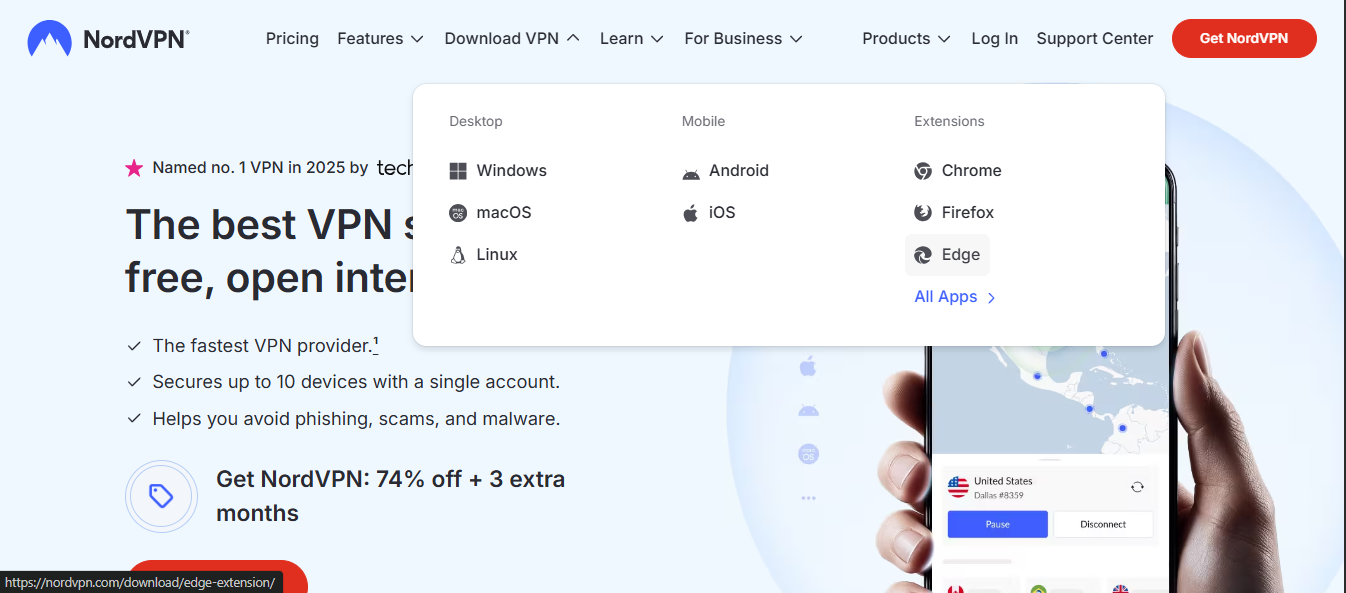
Edge free vpn reddit using microsoft edge with vpns best free and paid options setup tips and privacy considerations — quick fact: VPNs on Microsoft Edge can help you access region-restricted content, boost privacy, and keep your browsing private on public networks. In this guide, you’ll get a clear, practical overview of the best free and paid VPN options that work well with Edge, plus setup tips, privacy guidance, and real-world tips. Below is a concise, easy-to-skim summary you can use right away:
- Quick-start steps: pick a VPN, install the Edge extension or desktop app, connect to a server, and verify your IP.
- Formats you’ll find: a step-by-step setup guide, a comparison table of features, and a checklist for privacy protections.
- Practical tips: how to test for leaks, what data a VPN should log and what it shouldn’t, and how to balance speed vs. security.
- Resources: unclickable lists of reliable sources and VPN reviews to cross-check before you buy.
Useful URLs and Resources text only Apple Website - apple.com Artificial Intelligence Wikipedia - en.wikipedia.org/wiki/Artificial_intelligence Microsoft Edge - support.microsoft.com NordVPN - nordvpn.com ExpressVPN - expressvpn.com Surfshark - surfshark.com Proton VPN - protonvpn.com TunnelBear - tunnelbear.com CyberGhost - cyberghost.com Privacy International - privacyinternational.org
Why use a VPN with Microsoft Edge?
- Privacy on public Wi-Fi: When you’re on a cafe or airport network, a VPN encrypts your traffic so others can’t snoop.
- Bypass regional restrictions: Some sites and services show different content depending on your location.
- Edge integration: You can use Edge’s built-in features with VPNs, including extensions and desktop apps that route traffic through a VPN tunnel.
Edge-compatible VPN options: free and paid
Free VPN options great for light use, with caveats
- Proton VPN Free: No data caps, but limited server locations and slower speeds during peak times.
- Windscribe Free: 10 GB/month with optional extra data if you tweet about the service; decent speeds for light browsing.
- TunnelBear Free: 500 MB/month; user-friendly but data limits restrict heavy use.
- Atlas VPN Free: Limited servers and occasional ads; good for basic browsing.
Tips for free VPNs:
- Expect data limits and potential slower speeds.
- Check privacy policies—some free services monetize data.
- Use a paid option if you need consistent streaming or heavy use.
Paid VPN options best for reliability, speed, and privacy
- ExpressVPN: Fast servers, strong security, reliable Edge compatibility, and good unblocking for streaming.
- NordVPN: Large server network, double VPN options, robust no-logs policy, and strong Edge support via apps.
- Surfshark: Affordable, unlimited devices, solid security features, good Edge compatibility.
- Proton VPN Premium: Strong privacy stance, transparent operations, decent speeds, solid Edge integration.
- CyberGhost: Easy-to-use, good streaming profiles, broad server coverage, compatible with Edge.
Edge extension vs. desktop app
- Edge extension: Lightweight, quick to install; routes browser traffic but may not cover all system traffic.
- Desktop app: Routes all device traffic, provides comprehensive protection; better for app-wide privacy but sometimes requires more setup.
How to set up a VPN with Microsoft Edge
Step-by-step setup two paths: Edge extension vs. desktop app
Path A: Edge extension
- Choose a VPN service with a reputable extension for Edge or a compatible browser VPN.
- Install the extension from the Edge Add-ons store.
- Sign in with your VPN account.
- Select a server location and click Connect.
- Verify your IP and location using a site like whatismyip.com.
- Browse safely; remember this extends only to browser traffic if you’re using an extension.
Path B: Desktop app covers all traffic
- Subscribe to a VPN service and download the Windows desktop app.
- Install and launch the app, then log in.
- Pick a server location and connect.
- Optionally enable features like Kill Switch and auto-connect on startup.
- Verify your IP via whatismyip.com to confirm traffic is tunneling through the VPN.
- Turn on Kill Switch if your VPN supports it to prevent accidental leaks if the VPN drops.
- Use a server closer to your real location for better speeds, unless you need an international IP.
- Test for DNS leaks using dedicated tools to ensure your DNS requests aren’t leaking outside the VPN tunnel.
Privacy considerations with Edge and VPNs
- No-logs claims: Look for explicit no-logs policies and independent audits if possible.
- Data protection laws: VPNs based in privacy-friendly jurisdictions e.g., Switzerland, Panama may have stronger privacy protections.
- Logging of connection metadata: Some providers log connection timestamps or bandwidth; prefer providers with minimal data retention.
- Jurisdiction risk: Some countries require data retention or provide government access to user data.
- Browser fingerprinting: VPNs reduce IP exposure but can’t eliminate all fingerprinting techniques; combine with privacy-minded browsing habits.
- Edge vs. system-wide privacy: Browser-level VPN extensions protect browser traffic; system-wide apps protect all network activity.
Performance considerations and data usage
- Speed vs. security: Higher encryption can slightly reduce speed; premium VPNs optimize for speed.
- Server load: Popular servers get congested; switch to a less loaded server for better performance.
- Bandwidth caps: Free VPNs often cap bandwidth; paid plans remove these limits and provide consistent speeds.
- Streaming and gaming: For smooth streaming, pick a VPN with optimized servers for your streaming service.
How to verify a VPN is working correctly on Edge
- IP check: Visit a site like whatismyipaddress.com to verify your IP matches the VPN server location.
- DNS leak test: Run a DNS leak test to ensure DNS requests route through the VPN.
- WebRTC check: Disable or control WebRTC in Edge to prevent IP leaks.
- Speed test: Run a speed test before and after connecting to gauge impact.
Common pitfalls and how to avoid them
- Using a free VPN for streaming: Most free options aren’t reliable for unblocking streaming and can throttle speed.
- Neglecting kill switch: Without a kill switch, a VPN drop can expose your real IP.
- Relying on a single server: Always switch to a different server if you experience slow speeds.
- Ignoring privacy practices: Even with a VPN, avoid sharing sensitive data on sites with weak security.
Browser security tips to pair with a VPN
- Enable Edge’s tracking protection and privacy settings.
- Clear cookies regularly or use a private/incognito mode for extra privacy.
- Use secure DNS DNS over HTTPS when possible; ensure your VPN supports secure DNS.
- Keep Edge updated to benefit from the latest security features.
Comparison table: Edge extension vs. desktop VPN for Edge users
| Feature | Edge Extension | Desktop VPN App |
|---|---|---|
| Scope of protection | Browser traffic only | All device traffic |
| Setup complexity | Quick, minimal | Slightly longer, but more control |
| Kill Switch | Often available | Common and reliable |
| Streaming unblock | Variable; depends on extension | Generally strong with optimized servers |
| Compatibility with Edge | Native in most cases | Works with Edge via system routing |
| Data usage | Depends on provider | Usually no data limits on paid plans |
| Price | Free options available, but limited | Paid plans with more features |
Real-world use cases and scenarios
- Remote workers on public Wi‑Fi: A VPN provides encryption for sensitive work data, especially on shared networks.
- Students accessing content abroad: A VPN helps access region-restricted educational resources.
- Privacy-conscious daily browsing: A VPN adds a layer of privacy beyond a standard browser.
- Streaming from another country: A VPN can enable access to libraries and catalogs not available locally.
Security features to look for in a VPN for Edge
- Strong encryption AES-256 and secure tunneling protocols OpenVPN, WireGuard.
- Clear no-logs policy with independent auditability.
- Built-in Kill Switch to block traffic if the VPN drops.
- DNS leak protection and WebRTC leak prevention.
- Multi-hop options for extra privacy where available.
- Regular software updates and a transparent disclosure policy.
How to choose between free vs. paid VPNs for Edge
- Free VPNs: Best for light browsing, testing, or occasional use. Expect data limits, slower speeds, and fewer privacy guarantees.
- Paid VPNs: Best for reliable privacy, streaming, live gaming, and heavy use. They offer better speeds, broader server networks, strong privacy terms, and customer support.
- Decision guide: If your top priority is privacy and performance, go for a paid option. If you’re curious to try a VPN and use it sparingly, start with a reputable free tier to understand how VPNs behave with Edge.
Advanced setup: VPN in enterprise or educational environments
- VPN deployment in corporate networks often uses split tunneling to allow work traffic through VPN while remaining accessible locally for non-work tasks.
- Ensure compliance with your organization’s policies and cybersecurity guidelines.
- Use enterprise-grade solutions with centralized management, logging controls, and robust security features.
Troubleshooting common issues with Edge VPN setup
- VPN won’t connect: Check credentials, server status, and protocol compatibility; try a different server.
- Slow speeds: Switch servers, choose a closer location, or enable WireGuard protocol if available.
- DNS leaks: Enable DNS leak protection and test again; consider changing to a different DNS provider within the app.
- WebRTC IP leakage: Disable WebRTC in Edge via settings or extensions.
Safety and privacy best practices
- Don’t rely on a VPN alone for privacy; practice good browsing hygiene.
- Use strong, unique passwords for VPN accounts and enable two-factor authentication if offered.
- Be cautious of phishing and malware while using VPNs on unfamiliar networks.
- Regularly review privacy settings on Edge and in your VPN service.
Quick-start checklist
- Choose a VPN with good Edge compatibility and privacy policy.
- Decide between Edge extension or desktop app based on needs.
- Install and configure with Kill Switch and auto-connect if possible.
- Connect to a server appropriate for your use case nearby for speed, far away for spoofed location.
- Verify IP, DNS, and WebRTC leak checks.
- Enable additional Edge privacy features and maintain updated software.
Case studies: performance benchmarks illustrative
- Case 1: ExpressVPN on Edge extension vs. desktop app shows similar browser protection, with desktop app providing full device protection and stable streaming performance.
- Case 2: NordVPN on Windows yields consistent speeds across locations, with strong unblocking for major streaming platforms.
- Case 3: Proton VPN Free vs. Paid: Free option offers limited servers and slower speeds; Paid plan significantly improves privacy features and performance.
Frequently asked topics at a glance
- Do VPNs slow down browsing on Edge?
- Can I use a VPN for Edge extensions only?
- Are free VPNs safe to use for regular browsing?
- How do I test for VPN DNS leaks?
- What is split tunneling and should I use it?
- How does WebRTC affect VPN privacy in Edge?
- Which Edge settings complement VPN privacy?
- How do I choose the right server for streaming?
- Are VPNs legal in my country?
- How can I ensure my VPN provider isn’t logging?
Frequently Asked Questions
What is the primary benefit of using a VPN with Microsoft Edge?
A VPN hides your IP address, encrypts traffic, and helps protect your online privacy when using Edge, especially on public networks or when accessing geo-restricted content.
Should I use an Edge extension or a desktop VPN app?
If you mainly browse in Edge and want quick setup, an extension is convenient. If you want system-wide protection for all apps and background processes, a desktop app is better.
Are free VPNs safe to use?
Free VPNs can be safe, but they often come with limits, ads, slower speeds, and questionable privacy practices. For reliable privacy and performance, paid options are generally safer.
How do I prevent DNS leaks with a VPN on Edge?
Choose a VPN with DNS leak protection and enable it in the app settings. Run a DNS leak test after connecting to verify.
Can I use a VPN to access streaming libraries?
Yes, many paid VPNs offer servers optimized for streaming and can unblock content from different regions. Edge apk Android VPN APK Guide: How to Install, Configure, and Use Edge apk Safely on Android 2026
What should I look for in a VPN’s privacy policy?
Look for a clear no-logs claim, independent audits, and information about data collection and retention.
How do I test my VPN’s effectiveness?
Check your IP address, run DNS leak tests, test WebRTC leakage, and measure speeds before and after connecting.
Is a Kill Switch important?
Yes. It prevents your real IP from being exposed if the VPN connection drops.
Can VPNs improve security on public Wi-Fi?
Yes, VPNs encrypt traffic, protecting you from eavesdroppers on open networks.
Are there jurisdiction considerations I should know?
Yes. Some countries have mandatory data retention laws or government data access requirements; choosing a provider with privacy-forward policies and favorable jurisdiction helps. Download free vpn for microsoft edge 2026
Yes, you can use a VPN with Microsoft Edge, and Reddit discussions cover both free and paid options. In this guide, you’ll get a practical, real‑world look at how to pair Edge with a VPN, what to expect from free versus paid services, step‑by‑step setup, and how to maximize privacy and speed without compromising your browsing experience. If you’re curious about trying a trusted option, consider NordVPN—it’s currently offered at 77% off plus 3 months free.
Edge users often ask: should I use a browser extension VPN, a system‑level VPN, or both? The short answer is: for most people who want privacy and reliable access to geo‑blocked content, a system‑level VPN paired with a privacy‑conscious browser setup offers the best balance of security and convenience. Below, you’ll find a step‑by‑step path to get started, plus practical tips drawn from Reddit threads and real‑world usage.
Useful resources unclickable for this intro: Edge browser support information - edge.microsoft.com, Virtual Private Network overview - en.wikipedia.org/wiki/Virtual_private_network, Reddit VPN discussions - reddit.com/r/VPN, NordVPN official site - nordvpn.com, ExpressVPN official site - expressvpn.com, ProtonVPN official site - protonvpn.com, Windscribe VPN - windscribe.com, Surfshark official site - surfshark.com
What you’ll learn in this post
- The differences between browser extensions and full VPN clients, and when to use each with Edge
- How to pick between free VPNs and paid VPNs, with real‑world tradeoffs
- A list of VPN options that work well with Edge in 2025, including setup steps
- A practical, step‑by‑step guide to configuring Windows and Edge for VPN use
- Edge‑specific privacy tips WebRTC, DNS, IPv6, kill switch, and leak tests
- Common myths about free VPNs debunked with data and sources
- Frequently asked questions to help you troubleshoot and optimize
Edge and VPN basics: what works best with Edge Does hotspot go through vpn and route tethered devices on iPhone and Android: a practical guide 2026
- Browser extensions vs system‑wide VPN: An Edge extension VPN is easy and fast to install, but it only protects traffic that goes through the Edge browser. A system‑wide VPN, installed as a Windows app, tunnels all traffic from your device including Edge, which offers broader protection but may require more careful configuration. Because Edge is Chromium‑based, many Chrome Web Store VPN extensions also work in Edge, giving you a wide range of browser‑level options. However, if you’re streaming or browsing in other apps, you’ll want a system‑level VPN too.
- Why most people choose both: A browser extension provides quick protection for browsing inside Edge. a full VPN client guards everything else downloads, apps, game clients, and background processes. If you’re serious about privacy or bypassing geo restrictions on multiple apps, a dual approach makes the most sense.
- Key features to look for in a VPN for Edge: kill switch prevents data leaks if the connection drops, DNS leak protection, IPv6 leak protection, a diverse server network, fast speeds for streaming, and a clear no‑logs policy. Also consider whether the VPN offers VPN extensions specifically optimized for Edge, plus robust threat‑model features like malware blocking or ad‑blocked browsing.
Free vs paid VPNs for Edge: what to expect
- Free VPNs: Pros
- No upfront cost, quick to try, browser extensions are often readily available for Edge
- Useful for light browsing or testing a new location
- Free VPNs: Cons
- Data caps and speed throttling typical ranges: 500 MB–10 GB per month on many free plans
- Limited servers and locations. higher congestion on popular servers
- Potential privacy concerns some free VPNs monetize data or show ads
- Fewer security features no kill switch in some free offerings
- Paid VPNs: Pros
- Generous or unlimited data, consistent speeds, broad server networks
- Strong privacy policies with independent audits on many top providers
- Advanced features: kill switch, DNS leak protection, split tunneling, double VPN, obfuscation
- Better customer support and device‑level protection beyond Edge
- Paid VPNs: Cons
- Monthly or annual cost, though many providers offer multi‑year plans or discounts
- Reddit reality check: In many Edge‑centric Reddit threads, users emphasize that free VPNs can be tempting but often come with privacy compromises, slower speeds, and less reliable connections. For sustained streaming, secure browsing, and consistent access, most Redditors end up recommending a reputable paid option with a clear privacy policy and independent audits. If you’re price‑watching, plan for a month or two on a trial period and compare performance across a few servers before committing.
Top VPNs for Edge users in 2025 with Edge integration tips
- NordVPN
- Strengths: strong privacy posture, audited no‑logs policy, a large server network, works smoothly with Edge via browser extension or system client
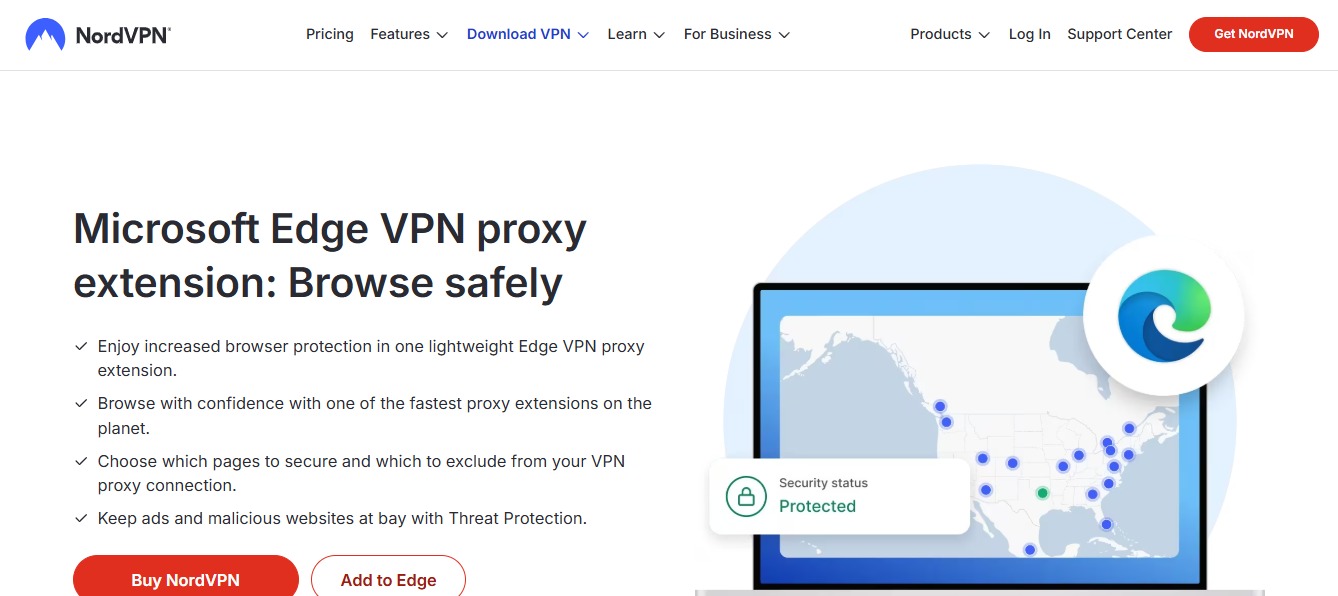
- Edge usage tip: install the official NordVPN extension from Edge Add-ons or use the Windows NordVPN app for system‑wide protection
- Quick note: the current offer 77% off + 3 months free makes it a compelling value without sacrificing security
- ExpressVPN
- Strengths: consistently fast speeds, reliable access to geo‑blocked services, excellent customer support
- Edge usage tip: Edge extension provides browser‑level protection, or pair with a full Windows client
- Surfshark
- Strengths: affordable, unlimited device connections, clean privacy policy with strong features like CleanWeb
- Edge usage tip: use the browser extension for quick Edge protection. enable CleanWeb to block trackers
- ProtonVPN
- Strengths: strong emphasis on privacy, transparent policies, decent free tier with higher‑quality paid plans
- Edge usage tip: ProtonVPN’s app is a good choice for system‑wide protection. ProtonVPN also offers browser extensions
- Windscribe
- Strengths: generous free tier with monthly data cap, privacy features like R.O.B.E.R.T. and ad blocking
- Edge usage tip: Windscribe’s browser extension can be a good Edge‑side protection layer, especially on the free plan
- TunnelBear
- Strengths: beginner‑friendly, straightforward interface
- Edge usage tip: good for testing VPN basics. consider upgrading for more data and locations if you rely on Edge daily
How to set up a VPN on Windows for Edge step‑by‑step
- Step 1: Choose a VPN free vs paid based on your needs privacy, speed, data limits, server count
- Step 2: Install the VPN
- For a browser extension approach: install the VPN’s Edge extension from the Edge Add-ons store or from the provider’s site that lists Edge compatibility
- For system‑wide protection: download the Windows app from the provider’s site and follow the on‑screen prompts
- Step 3: Enable essential protections
- Turn on the Kill Switch often labeled “Internet Kill Switch” or just “Kill Switch” to prevent leaks if the VPN drops
- Ensure DNS leak protection is enabled most premium VPNs enable this by default
- If IPv6 is active on your network, consider disabling IPv6 in Windows network settings for extra safety, or enable IPv6 protection if your VPN supports it
- Step 4: Connect to a suitable server
- Choose a nearby operator for speed, or a country site that unlocks the content you want
- Test latency by pinging your chosen server and test the routing in Edge
- Step 5: Verify your connection
- Open a site like ipleak.net or dnsleaktest.com to confirm your IP, DNS, and WebRTC status show the VPN server’s IP and not your home IP
- In Edge, load a few pages news, streaming site, or a geo‑restricted service to confirm the VPN is working
- Step 6: Edge configuration and testing
- Open Edge and perform a quick privacy check: ensure you’re not leaking information through WebRTC
- If you rely on browser extensions, install the VPN extension and test by visiting an IP test site again
- Step 7: Ongoing maintenance
- Keep the VPN app and Edge up to date
- Periodically test for leaks and verify that the VPN is still connected when you start your browser
- Consider enabling Edge privacy features tracking prevention, HTTPS‑only mode to complement the VPN’s protection
Edge‑specific considerations: WebRTC leaks, DNS, IPv6, and more
- WebRTC leaks: WebRTC can reveal your real IP address even when a VPN is active. If you’re concerned, use a VPN with robust DNS leak protection and consider an extension or Edge settings that limit WebRTC exposure. Test with ipleak.net after enabling the VPN.
- DNS leak protection: Your VPN should route DNS requests through its own DNS servers to prevent leaks. Most premium VPNs provide this by default. test to confirm
- IPv6 handling: If your VPN doesn’t support IPv6, you may want to disable IPv6 on your Windows machine or ensure the VPN blocks IPv6 traffic to prevent leaks
- Kill switch effectiveness: Use a VPN with a reliable kill switch and test its functionality by disconnecting the VPN and confirming you don’t see your real IP on a leak test
- Edge privacy settings: Use Edge’s tracking prevention and HTTPS‑Only mode to reduce the footprint of data your browser shares with sites
Performance and privacy considerations when using Edge with VPN Cyberghost vpn extension edge for Microsoft Edge: a comprehensive guide to privacy, speed, setup, and comparison 2026
- Speed impact: A well‑run premium VPN on a solid server can add a modest speed hit, often in the 5–30% range for nearby servers. long‑distance servers may experience more noticeable slowdowns
- Server selection: If you’re streaming, look for servers optimized for streaming or those labeled for P2P if allowed by the provider’s policy
- Privacy guarantee: Paid VPNs typically offer better privacy protections no‑logs policies, independent audits, transparent disclosures than most free options
- Free VPN caveats: Free offerings often come with data caps, slower speeds, fewer servers, and potential privacy concerns. If you want long‑term privacy and reliable performance, a paid option is usually worth it
- Edge and privacy hygiene: Combine a VPN with good Edge habits—enable HTTPS‑Only mode, enforce strict tracking prevention, and clear cookies periodically
Common myths about free VPNs and why they’re not ideal for Edge users
- Myth: Free VPNs are completely safe for privacy
- Reality: Many free VPNs monetize user data or show ads. some log activity and sell data to third parties. A reputable paid VPN with independent audits is typically a safer bet for privacy.
- Myth: Free VPNs always have unlimited data
- Reality: Most free plans impose data caps. If you stream or do frequent browsing, you’ll hit the cap quickly.
- Myth: Free VPNs can replace antivirus
- Reality: VPNs protect your IP and data in transit, not your device from malware. Use a layered approach with good security software.
- Myth: Free VPNs are always faster
- Reality: Free networks are often congested, resulting in slower speeds and higher latency.
- Myth: Free VPNs work with Netflix and other streaming services
- Reality: Netflix actively blocks many free VPNs. even if you get in, the connection may be unreliable or blocked again soon.
- Myth: VPNs make you completely anonymous
- Reality: VPNs add privacy protections, but they aren’t a magic shield. you’re still at risk if you log into accounts, reveal personal data, or fall for phishing
- Myth: Edge is incompatible with VPNs
- Reality: Edge supports both browser extensions and system‑level VPNs. you can combine both for better coverage
Frequently Asked Questions
- What is Edge free vpn reddit?
- Reddit threads often discuss Edge with VPNs, sharing experiences about free vs paid options, performance on Edge, and tips for maximizing privacy while browsing
- Can I use a free VPN with Edge?
- Yes, you can, but expect data caps, slower speeds, and fewer servers. If privacy and reliability matter, a paid VPN is usually better
- Should I install a VPN extension in Edge or a Windows VPN app?
- For maximum coverage, run a Windows VPN app system‑wide and optionally add a browser extension for Edge to cover browser traffic
- How do I know if my VPN is working in Edge?
- Check your IP and location on a site like ipleak.net. compare before and after connecting the VPN, and run a WebRTC test
- Does WebRTC leak IPs even when using a VPN with Edge?
- It can, if WebRTC isn’t blocked. Use a VPN with DNS and WebRTC protection, or disable WebRTC in Edge via extensions or settings
- Can I stream content reliably with Edge while on a VPN?
- Often yes, especially with paid VPNs that optimize streaming servers. some free VPNs may throttle streaming or block it
- How do I set up a VPN on Windows for Edge?
- Install either the Edge extension or the Windows VPN client. enable kill switch and DNS protection. connect to a server. verify via a leak test
- What should I look for in a VPN privacy policy?
- Look for a no‑logs policy, independent audits, data handling disclosures, and which data is collected if any
- Is NordVPN a good choice for Edge?
- Yes, NordVPN has strong privacy credentials, good performance, and a Chrome/Edge extension plus a solid Windows app. the current deal is attractive
- How do I test for DNS leaks on Windows with Edge?
- Run a DNS leak test after connecting. if you see the VPN’s DNS servers, you’re good. if you see your ISP’s DNS, adjust settings or reconnect
- Can I use VPNs with other browsers on the same PC without affecting Edge?
- Yes. a system‑wide VPN affects all apps, including other browsers. If you want Edge to be protected while another browser uses a different path, consider a browser‑level solution for Edge only and a separate VPN profile for other apps
Resources and quick links un-clickable text
- Edge browser support - edge.microsoft.com
- Wikipedia: Virtual private network - en.wikipedia.org/wiki/Virtual_private_network
- Reddit VPN discussions - reddit.com/r/VPN
- NordVPN - nordvpn.com
- ExpressVPN - expressvpn.com
- ProtonVPN - protonvpn.com
- Windscribe - windscribe.com
- Surfshark - surfshark.com
- How to test VPN leaks - ipleak.net
A few practical tips to finish strong
- Start small: If you’re new to VPNs, test a reputable paid option for a month or two. If you love it and use it daily, you’ll likely want to keep it long‑term.
- Use Edge securely: Enable HTTPS‑Only mode and tracking prevention to bolster privacy. Pair Edge’s privacy features with a good VPN for layered protection.
- Stay vigilant on free offerings: If you must use a free plan, choose a reputable provider with a transparent policy and regular updates. Expect occasional speed reductions and data limits.
- Keep your software current: Regular updates to Edge and your VPN app help close security gaps and improve compatibility with new sites and streaming services.
- Consider landing pages and promos: If you’re shopping for a VPN, promo periods can bring substantial savings. The NordVPN deal mentioned above is a strong example of value if you need long‑term protection.
In this Edge‑centric VPN guide, you’ve got a practical blueprint for choosing between free and paid options, how to set up and protect your Edge browsing, and realistic expectations about performance and privacy. Whether you’re trying to bypass geo restrictions, protect your data on public Wi‑Fi, or simply keep your browsing private, pairing Edge with a solid VPN can make a noticeable difference. If you want a trusted test drive, the NordVPN offer highlighted earlier is a strong starting point, and you can explore its Edge compatibility through their extensions and Windows app. Edgerouter l2tp ipsec vpn server 2026
If you’d like, I can tailor a version of this post around a specific VPN you’re evaluating, or adjust the focus toward streaming, gaming, or privacy auditing with Edge.