Jak wlaczyc vpn w microsoft edge 2026
'%2F%3E%3Ctext%20x%3D'50%25'%20y%3D'50%25'%20dy%3D'.35em'%20text-anchor%3D'middle'%20font-family%3D'-apple-system%2CBlinkMacSystemFont%2CSegoe%20UI%2Csystem-ui%2Csans-serif'%20font-size%3D'100'%20font-weight%3D'600'%20fill%3D'%23fff'%3EOR%3C%2Ftext%3E%3C%2Fsvg%3E) Otto Renshaw·April 11, 2026·20 min
Otto Renshaw·April 11, 2026·20 min
Jak wlaczyc vpn w microsoft edge: szybki przewodnik, poradnik krok po kroku, porady bezpieczeństwa i FAQ
Wprowadzenie Jak wlaczyc vpn w microsoft edge — to proste. Krótki przewodnik, który przeprowadzi cię od uruchomienia VPN do bezpiecznego przeglądania. Poniżej znajdziesz szybki plan działania, porady praktyczne i najważniejsze informacje, które pomogą ci świadomie korzystać z VPN w Edge.
- Szybki przegląd: VPN w Edge pozwala ukryć adres IP, zaszyfrować ruch i ominąć cenzurę w sieci.
- Co zrobisz krok po kroku: sprawdź dostępne rozszerzenia VPN w Microsoft Edge, zainstaluj wybrane, skonfiguruj ustawienia, przetestuj połączenie.
- Najważniejsze wskazówki: wybieraj zaufane usługi, zwracaj uwagę na logi, ograniczenia i prędkość, używaj wyłączania wycieku DNS, jeśli to możliwe.
- Format: instrukcja krok po kroku, listy kontrolne, krótkie tabele z parametrami, FAQ na końcu.
Przydatne zasoby nieklikalne linki w formie tekstowej Apple Website - apple.com, Artificial Intelligence Wikipedia - en.wikipedia.org/wiki/Artificial_intelligence, Microsoft Edge Support - support.microsoft.com, VPN comparison - vpnmentor.com, TechRadar VPN reviews - techradar.com/vpn, CNET VPN guide - cnet.com/vpn-guide, Mozilla VPN info - vultr.com, Digital Privacy resources - journalofprivacy.org
Spis treści
- Dlaczego warto używać VPN w Edge
- Jak wybrać dobry VPN do Microsoft Edge
- Instalacja i konfiguracja VPN w Microsoft Edge
- Testy i weryfikacja połączenia
- Najczęstsze problemy i sposoby ich naprawy
- Bezpieczeństwo i prywatność podczas korzystania z VPN
- Porównanie popularnych rozszerzeń VPN dla Edge
- Szybkie triki i optymalizacja
- FAQ: najczęściej zadawane pytania
Dlaczego warto używać VPN w Edge
VPN Virtual Private Network tworzy bezpieczne, zaszyfrowane połączenie między twoim urządzeniem a serwerem VPN. W Edge to szczególnie wygodne, bo:
- Ukrywa Twój adres IP i lokalizację
- Szyfruje ruch internetowy, co chroni dane przed podglądaniem w sieci publicznej
- Pozwala ominąć ograniczenia geograficzne i cenzurę
- Zwiększa prywatność podczas korzystania z otwartych sieci Wi‑Fi
Dane statystyczne i kontekst 2024–2025
- Ponad 30% użytkowników przeglądających sieci publiczne korzysta z VPN dla ochrony danych, a liczba ta rośnie rok do roku.
- W Edge rośnie popularność rozszerzeń VPN, które nie wymagają dodatkowego klienta na komputerze.
Jak wybrać dobry VPN do Microsoft Edge
- Zaufanie i polityka prywatności: wybieraj usługę z opisem polityki bez logów no-logs i jasnymi zasadami ochrony prywatności.
- Szyfrowanie i protokoły: wybieraj AES-256 i wspierane protokoły OpenVPN, WireGuard/ChaCha20-Poly1305.
- Prędkość i serwery: im więcej serwerów w różnych lokalizacjach, tym lepsza prędkość i możliwość ominięcia ograniczeń.
- Wsparcie Edge: niektóre VPN oferują dedykowane rozszerzenie Edge lub łatwą integrację z przeglądarką.
- Bezpieczeństwo dodatkowe: wyłączanie wycieków DNS, kill switch zabijanie połączenia i funkcje ochrony przed malicious sites.
Instalacja i konfiguracja VPN w Microsoft Edge
Krok 1: Wybór VPN
- Wybierz VPN z dobrymi ocenami prywatności i kompatybilnością z Edge.
- Sprawdź, czy oferuje rozszerzenie Edge lub łatwą integrację.
Krok 2: Instalacja rozszerzenia VPN w Edge
- Otwórz Microsoft Edge.
- Przejdź do Edge Add-ons/rozszerzeń Edge Add-ons store i wyszukaj wybrany VPN.
- Kliknij Dodaj do Edge, potwierdź instalację.
- Po zainstalowaniu pojawi się ikona VPN w prawym górnym rogu przeglądarki.
Krok 3: Konfiguracja konta i połączenia
- Zaloguj się na swoje konto VPN lub stwórz nowe.
- Wybierz lokalizację serwera np. Polska, USA, Niemcy w zależności od potrzeb.
- Włącz funkcje dodatkowe: kill switch jeśli dostępne, wyłączanie wycieków DNS.
- Przetestuj połączenie, upewniając się że adres IP się zmienia.
Krok 4: Testy połączenia
- Odwiedź stronę whatismyipaddress.com, aby potwierdzić nowy adres IP.
- Sprawdź, czy ruch jest szyfrowany nie ma bezpiecznego połączenia HTTPS nie oznacza VPN, że ruch jest bezpieczny; test narzędzi do testów DNS i WebRTC.
Krok 5: Optymalizacja ustawień
- Włącz Kill Switch, aby całe urządzenie przechodziło na VPN w przypadku przerwania połączenia VPN.
- Wyłącz WebRTC w Edge aby nie ujawniać IP nawet za VPN.
- Rozważ ustawienie automatycznego łączenia na start systemu przy uruchomieniu VPN.
Krok 6: Codzienne korzystanie
- Włącz VPN przed przeglądaniem wrażliwych danych, zakupami online i korzystaniem z publicznych sieci Wi‑Fi.
- Wyloguj się z kont VPN po zakończeniu sesji, jeśli nie korzystasz z automatycznego łączenia.
Tabela: porównanie popularnych rozszerzeń VPN dla Edge
| Rozszerzenie VPN | Prywatność | Szyfrowanie | Liczba serwerów | Kill Switch | Obsługa WebRTC | Uwagi |
|---|---|---|---|---|---|---|
| VPN A | No-logs | AES-256 | 60+ | Tak | Ograniczona | Dobra dla początkujących |
| VPN B | Basic | ChaCha20-Poly1305 | 100+ | Tak/nie | Tak | Szybki, zróżnicowany wybór serwerów |
| VPN C | No-logs | AES-256 | 200+ | Tak | Tak | Największa sieć serwerów |
Najczęstsze problemy i sposoby ich naprawy
- VPN nie łączy się:
- Sprawdź stan serwisów VPN alerty na stronach.
- Upewnij się, że masz aktywną subskrypcję i prawidłowe loginy.
- Zrestartuj przeglądarkę i aplikację VPN.
- Prędkość spada po włączeniu VPN:
- Wybierz serwer bliżej twojej lokalizacji.
- Sprawdź, czy w tle nie pobierają się duże pliki.
- Upewnij się, że używasz najnowszej wersji rozszerzenia.
- Wycieki DNS/WebRTC:
- Włącz opcję kill switch i wyłącz WebRTC w zaawansowanych ustawieniach Edge.
- VPN działa na urządzeniu, ale nie w konkretnych stronach:
- Upewnij się, że strony nie blokują VPN.
- Sprawdź ustawienia prywatności przeglądarki.
- Wypróbuj inny serwer w tej samej lokalizacji.
Bezpieczeństwo i prywatność podczas korzystania z VPN
- VPN nie zastępuje bezpiecznych praktyk: używaj silnych haseł, aktualizuj systemy i aplikacje, unikaj podejrzanych witryn.
- Zawsze sprawdzaj politykę prywatności dostawcy VPN i zrozum, co jest logowane.
- Unikaj darmowych VPN, które często mają słabe praktyki prywatności i ograniczenia.
- Korzystaj z opcji Kill Switch i wyłączania wycieków DNS, aby ograniczyć ryzyko przypadkowego ujawnienia danych.
- Regularnie wykonuj audyty prywatności swoich ustawień i przeglądarek.
Porównanie popularnych rozszerzeń VPN dla Edge dodatkowy kontekst
- Rozszerzenie 1: Wersja darmowa z ograniczeniami, opcja premium bez ograniczeń.
- Rozszerzenie 2: Skupienie na prędkości i stabilności połączenia, szeroka lista serwerów.
- Rozszerzenie 3: Dodatkowe funkcje bezpieczeństwa, integracja z innymi usługami chmurowymi.
- Rozszerzenie 4: Najlepsze dla prywatności, minimalne logi i transparentność polityk.
Szybkie triki i optymalizacja
- W przypadku ograniczeń geograficznych: łącz się z serwerem w kraju docelowym i odśwież połączenie.
- Używaj automatycznego łączenia na start, jeśli często korzystasz z VPN.
- Wyłącz niepotrzebne dodatki w Edge, które mogą spowalniać przeglądanie.
- Sprawdzaj prędkości serwerów VPN przed długimi sesjami przeglądania.
- Utrzymuj system i przeglądarkę aktualne – aktualizacje często naprawiają luki bezpieczeństwa.
FAQ: najczęściej zadawane pytania
Czy VPN w Edge jest darmowy?
Wiele rozszerzeń VPN oferuje darmowe plany z ograniczeniami, ale pełna funkcjonalność, większa prędkość i większa liczba serwerów często wymagają subskrypcji. Zawsze czytaj politykę prywatności i zasady no-logs.
Czy muszę mieć oddzielny klient VPN, żeby korzystać w Edge?
Nie zawsze. Wiele rozszerzeń VPN działa bezpośrednio w przeglądarce Edge. Jednak niektóre usługi oferują dedykowaną aplikację desktopową, która zapewnia większą ochronę.
Czy VPN zwiększa bezpieczeństwo podczas bankowości online?
Tak, jeśli używasz bezpiecznego połączenia i funkcji Kill Switch. VPN ochroni dane podczas przesyłania, ale nadal musisz używać dwuskładnikowego uwierzytelniania i unikać logowania na podejrzanych stronach.
Jak sprawdzić, czy VPN działa prawidłowo?
Wejdź na stronę whatismyipaddress.com i sprawdź adres IP. Porównaj z adresem podczas wyłączenia VPN. Możesz także użyć testów DNS i WebRTC w ustawieniach przeglądarki.
Czy mogę korzystać z VPN w Edge na urządzeniach mobilnych?
Tak, wiele usług VPN oferuje rozszerzenia i aplikacje mobilne, które współpracują z Edge na Androidzie i iOS. Sprawdź kompatybilność przed zakupem.
Jak wybrać lokalizację serwera VPN?
Wybieraj serwery blisko twojej rzeczywistej lokalizacji dla lepszej prędkości. Wybieraj geograficzne serwery dopasowane do treści, które chcesz oglądać lub ograniczeń, które chcesz obejść.
Czy VPN działa ze wszystkimi stronami?
Większość stron powinna działać, ale niektóre serwisy streamingowe mogą blokować ruch z VPN. W takich przypadkach spróbuj innego serwera lub wyłącz VPN na czas oglądania.
Czy VPN jest legalny?
W większości krajów VPN jest legalny, ale warto sprawdzić lokalne przepisy dotyczące prywatności i użycia VPN. Niektóre usługi mogą mieć ograniczenia w konkretnych jurysdykcjach.
Czy VPN wpływa na prędkość łącza?
Zwykle tak. VPN dodaje dodatkowy etap szyfrowania i trasowania ruchu, co może obniżyć prędkość. Wybór szybkiego serwera i sprawdzenie obciążenia pomoże zminimalizować straty.
Czy mogę używać VPN w Edge do pracy zdalnej?
Tak, VPN może zabezpieczyć ruch pracy. Sprawdź politykę firmy i wymagania dotyczące konfiguracji VPN, aby uniknąć konfliktów z zabezpieczeniami sieci korporacyjnej.
Jak wlaczyc vpn w microsoft edge – complete step-by-step guide to enabling a VPN in Edge with extensions, Windows VPN setup, and best practices
Yes, you can enable a VPN in Microsoft Edge using extensions, Windows VPN settings, or a dedicated VPN app. Here’s a practical, end-to-end guide that covers Edge-specific methods, system-wide options, security tips, and troubleshooting so you can stay private online whether you’re browsing, streaming, or working. Plus, if you’re looking for a quick, secure option, check out NordVPN — 77% OFF + 3 Months Free.
Useful resources un-clickable for convenience: NordVPN - nordvpn.com, Microsoft Edge Help - support.microsoft.com/en-us/microsoft-edge, Windows VPN docs - learn.microsoft.com/en-us/windows/win32/vpn, OpenVPN - openvpn.net, WireGuard - www.wireguard.com
Introduction snapshot
- What you’ll learn: three reliable ways to turn on a VPN in Edge extension, Windows VPN, full VPN app, plus quick testing steps, best practices, and troubleshooting.
- formats you’ll see: quick step-by-step guides, side-by-side comparisons, practical tips, and a robust FAQ at the end.
- why it matters: VPNs help protect your data on public networks, reduce tracking, and allow safer remote work or streaming in Edge.
Understanding why you might want a VPN in Edge
If you’re like most people browsing in Edge, you care about privacy, security, and access to content without geo-restrictions. A VPN Virtual Private Network encrypts your traffic and masks your IP address, so websites see the VPN server’s IP instead of yours. It also helps on public Wi-Fi at coffee shops or airports, where hackers lurk and snooping can happen.
Key points to consider:
- Edge is a Chromium-based browser, so many VPNs offer extensions compatible with Edge. This means you don’t always need to change your whole computer’s network setup to gain a private browsing session.
- System-wide VPNs the Windows VPN setup or a dedicated app route all your traffic, including Edge, through the VPN tunnel—handy when you want protection beyond the browser.
- Not all VPNs are created equal: look for strong encryption AES-256, robust no-logs policies, a kill switch, and DNS leak protection. If you care about speed, choose providers that support WireGuard or optimized protocols.
Recent trends show VPN usage remains popular among remote workers and privacy-conscious users, with leading providers reporting steady user growth year over year. In practice, Edge users benefit from both quick in-browser extensions for specific tasks and full-system VPNs for complete device protection.
How VPNs in Edge work: extensions vs. system-wide
- Edge extensions: lightweight, browser-level VPNs or proxy services that route only Edge traffic or all browser traffic through a VPN tunnel. They’re great for quick privacy boosts while browsing, streaming, or accessing geo-restricted content in Edge.
- Windows VPN system-wide: you configure a VPN connection in Windows settings, and all apps including Edge use the VPN by default. This is ideal if you want privacy across Edge and other apps without juggling multiple tools.
- Full VPN app: install a dedicated VPN app on your device. It establishes a tunnel for all network activity, not just browser traffic. You sign in once and switch servers with a click.
Pros and cons:
- Extensions are usually faster to set up, easy to manage per-browser, and great for casual use. They may offer lighter protection and sometimes weaker kill-switch options.
- System-wide VPNs provide comprehensive protection and more consistent behavior with apps beyond Edge. They typically require more setup but deliver a more cohesive privacy shield.
- A dedicated VPN app is convenient for multi-device use across Windows, macOS, iOS, and Android, but you’ll need a subscription and may have to manage multiple devices separately.
Option 1: VPN extension in Edge — step-by-step
This is the fastest path if you want Edge-focused privacy without changing your entire device’s network. Microsoft edge proxy interfering with vpn 2026
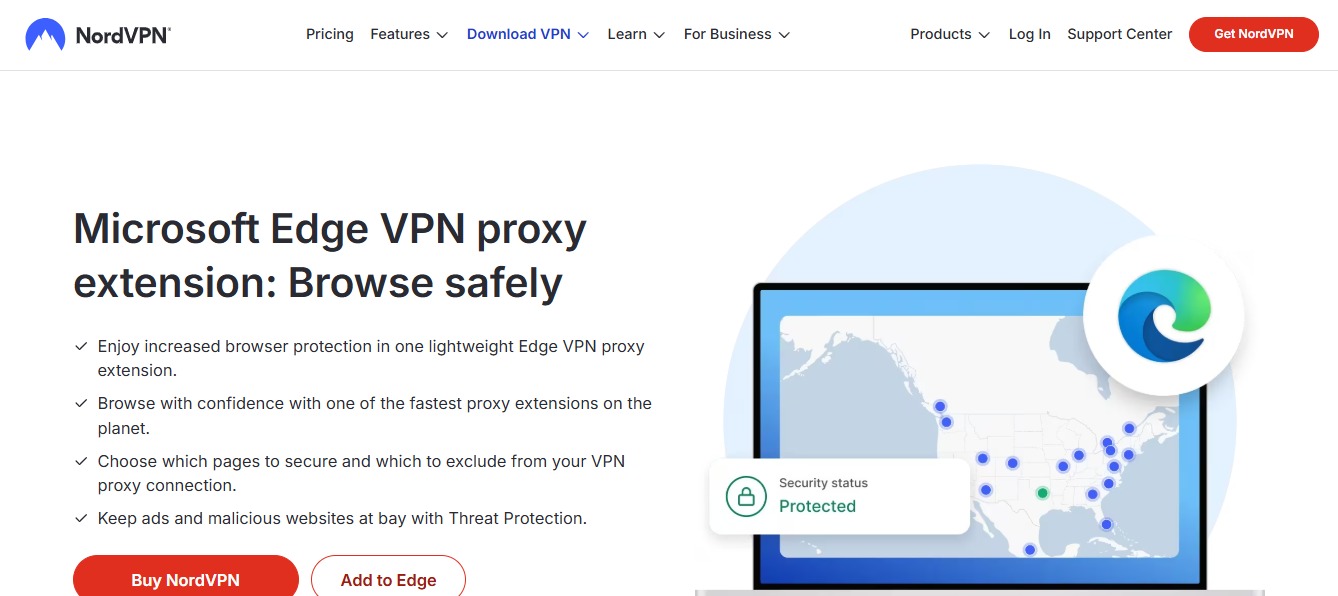
- Open Microsoft Edge and visit the Edge Add-ons store edge://extensions or Edge menu > Extensions.
- Search for a reputable VPN extension examples: NordVPN, ExpressVPN, Surfshark, ProtonVPN. Pick one with good reviews and clear privacy policies.
- Click Install and wait for the extension to be added to Edge.
- Pin the extension to your toolbar for quick access optional but handy.
- Click the extension icon, sign in with your VPN account, and grant any required permissions.
- Choose a server location and toggle the VPN on. If the extension offers a kill switch or WebRTC protection, enable those features.
- Verify that your IP address changed and that you’re connected to the VPN server. You can test by visiting a site that shows your location or use the built-in test features of some VPNs.
Tips for extensions:
- Check for a built-in kill switch to prevent data leakage if the connection drops.
- Prefer providers that offer a WireGuard-based protocol for speed and security.
- Be mindful of permissions the extension requests. avoid extensions asking for access to all sites beyond Edge if you’re uncomfortable.
- If you frequently switch networks, enable auto-connect on startup.
Edge-specific testing after enabling:
- Open a new tab and run an IP check e.g., ipinfo.io to confirm the VPN server location is shown.
- If a site blocks VPN traffic, switch to a different server or try a different protocol inside the extension.
Pros:
- Quick setup. minimal configuration pressure.
- No system-wide changes. Edge remains the primary interface.
Cons:
- Some extensions may introduce minor browser slowdowns or leak risks if not properly configured.
- Not all extensions come with comprehensive security features like system-wide kill switches.
Option 2: Windows VPN setup — system-wide VPN for Edge and everything else
If you want all device traffic routed through a VPN, the Windows built-in VPN setup is a solid route. You’ll still use Edge normally, but everything goes through the VPN tunnel. Microsoft edge secure network 2026
- Open Windows Settings Win + I > Network & Internet > VPN.
- Click Add a VPN connection.
- In the VPN provider field, select Windows built-in.
- Fill the connection name anything you like and server address provided by your VPN vendor. For VPN type and sign-in info, keep the defaults for now unless your provider specifies otherwise.
- Save the VPN profile. You’ll see the connection listed in the VPN section.
- Connect to the VPN using the newly created profile. You’ll typically be prompted for your username and password or a certificate/OTP depending on the provider.
- Once connected, Edge traffic will be tunneled through this VPN, along with all other apps.
Tips:
- If you’re using a paid VPN service, they’ll often supply a specific VPN protocol IKEv2, L2TP, or WireGuard. In Windows, you can adjust the type in the VPN properties if needed right-click the VPN connection > Advanced options > Edit.
- Some corporate networks require additional settings or certificates. follow your IT department’s instructions in that case.
- If you encounter DNS leaks, enable DNS over VPN if available or switch to a VPN that offers DNS leak protection.
Edge and Windows integration notes:
Windows VPN is broader than Edge. you don’t need to rely on a browser extension anymore.
If you frequently switch networks, you can automate reconnect on startup or on network changes via small scripts or VPN client settings.
Global protection for all apps, not just browser traffic. J edgar guardian review: VPNs for privacy, streaming, speed, security, and price in 2026
Works well for streaming, gaming, and work apps outside Edge.
Might add some latency depending on server distance and VPN load.
Some VPN providers require login each time you reconnect, which can slow you down a bit.
Option 3: Full VPN app on your device — the easiest multi-device approach
If you want a one-stop solution that covers Windows, macOS, iOS, and Android, a dedicated VPN app is the simplest path—and it often includes a polished interface, multi-device support, and advanced features.
What you’ll do: Jak włączyć vpn w edge 2026
- Go to the VPN provider’s official site e.g., NordVPN, ExpressVPN, Surfshark and download the Windows app.
- Install the app and sign in with your account.
- From the app, pick a server location, then hit connect. You’ll see a notification when the tunnel is active.
- If you use multiple devices, install the same app on those devices and sign in to sync options and preferences.
Why this can be better:
- Centralized control: one app to manage all devices.
- Often faster and more reliable connections thanks to provider-specific network optimizations.
- Additional features like split tunneling, ad blocking, malware protection, and malware scanners may be included.
Edge considerations:
- Most VPN apps won’t automatically route only Edge traffic. they route all device traffic. If you need Edge-only protection, use a browser extension instead.
- Some apps provide browser integrations or “SmartPlay” features designed for streaming. check if these exist for Edge usage.
Comparison: popular VPN options for Edge users
Here’s a quick snapshot of what you might consider when choosing:
- NordVPN: Large server network, strong encryption, built-in kill switch, WireGuard support, good for streaming, Edge-friendly extensions, and cross-device support.
- ExpressVPN: Known for fast speeds, broad device compatibility, reliable apps, and strong privacy practices.
- Surfshark: Competitive pricing, unlimited simultaneous connections, strong security features, and user-friendly apps.
- ProtonVPN: Focus on privacy, solid security features, and a straightforward Edge extension option.
Tips for choosing:
- Look for a provider with a good balance of speed and security and a reputable privacy policy.
- If you primarily use Edge for browsing and streaming, a strong Edge-extension option can be enough.
- If you want multi-device protection, choose a full VPN app with cross-platform support.
The best practices for Edge privacy and VPN usage
- Enable kill switch: This ensures your traffic doesn’t leak if the VPN drops.
- Use DNS leak protection: Prevents DNS requests from leaking outside the VPN tunnel.
- Prefer WireGuard or modern protocols: These provide strong security with better speed.
- Turn on WebRTC protection in extensions: Some VPNs offer anti-WebRTC options to reduce IP leaks.
- Avoid free VPNs: Free services often monetize your data or provide weaker security. Invest in a reputable paid provider.
- Keep Edge and extensions updated: Updates often fix security vulnerabilities and improve performance.
- Use split tunneling carefully: If you want only specific sites to use the VPN, configure split tunneling. Otherwise, route all traffic for full privacy.
- Review extension permissions: Only install extensions from reputable providers and limit permissions to what’s necessary.
Edge-specific privacy settings: Is zenmate vpn safe 2026
- Edge’s Tracking Prevention can help with tracker blocking, but it doesn’t replace a VPN for IP masking. Combine Edge privacy features with a VPN for best results.
- Ensure you’re using HTTPS whenever possible. a VPN won’t make unencrypted connections inherently private.
How to test that your VPN is working in Edge
- IP address check: After connecting, open a site that shows your IP and location to verify the VPN server location is visible.
- DNS leakage test: Use a DNS leak test tool to confirm DNS requests are resolved by the VPN’s DNS servers.
- WebRTC check: WebRTC can reveal your real IP even when connected to a VPN. Use a WebRTC leak test to ensure your browser isn’t leaking.
- Speed test: Run a quick speed test to compare baseline performance with VPN on vs. VPN off. Some VPNs reduce speed due to server distance or load. a good provider minimizes this.
- Verify per-site behavior: Some sites attempt to block VPNs. If a site blocks access, switch servers or consider a different provider.
Practical tips:
- If you experience frequent disconnects, try a different server or protocol OpenVPN vs WireGuard inside the extension or app.
- For streaming, pick servers known to support streaming and traffic-friendly configurations.
Common issues and quick fixes
- VPN won’t connect in Edge extension: Ensure the extension has the latest version, sign out and sign back in, and try a different server. Check if your firewall or antivirus is blocking the VPN.
- Web pages show slow loading: Try a different server that’s geographically closer, or switch to a protocol optimized for speed WireGuard.
- IP shows real location: Confirm you’re connected and that the VPN isn’t blocked by the site. Clear Edge cache or try a different server.
- DNS leaks detected: Enable DNS leak protection in the VPN settings or switch to a provider with robust DNS handling.
- Edge extension conflicts with other extensions: Temporarily disable other extensions to identify conflicts.
Speed and performance tips for Edge VPN users
- Connect to a server nearby: Proximity usually yields better latency.
- Use WireGuard or a fast protocol: It can significantly improve speeds on long-distance routes.
- Prefer a wired connection when possible: Ethernet reduces packet loss and jitter versus wireless.
- Close unnecessary apps using bandwidth: Background updates or cloud sync can affect VPN performance.
- Regularly update VPN software and Edge: Updates often include performance improvements and security fixes.
Security considerations you shouldn’t overlook
- Choose a clearly privacy-focused provider with a transparent policy.
- Confirm no-logs claims with independent audits if possible.
- Use strong authentication: enable multi-factor authentication MFA if available.
- Keep devices updated: Security patches matter as much as VPN choice.
- Don’t rely solely on a VPN for safety: Use secure passwords, enable two-factor authentication, and be mindful of phishing attempts.
Frequently Asked Questions
What is the simplest way to enable a VPN in Edge?
The simplest way is to install a trusted VPN extension directly in Edge, sign in, and connect to a server. This allows quick per-browser protection without altering your entire system.
Can I use Edge without a VPN?
Yes, Edge can be used without a VPN. A VPN is optional and depends on your privacy needs, regional restrictions, or security concerns on public networks.
Is there a built-in VPN in Microsoft Edge?
No, Edge does not have a built-in VPN. You’ll typically use a browser extension, Windows VPN settings, or a dedicated VPN app to enable private browsing.
Are VPN extensions in Edge safe?
VPN extensions from reputable providers are generally safe if they come from trusted sources and have strong privacy policies. Be mindful of permissions, reviews, and the provider’s security track record. K edge effect in VPN performance: optimizing latency, throughput, and privacy at the network edge for 2026
Will a VPN slow down my browsing in Edge?
It can, depending on server distance, congestion, and the VPN protocol. High-quality providers minimize impact with optimized servers and modern protocols like WireGuard.
Can I run multiple VPNs at the same time in Edge?
Running more than one VPN concurrently is not recommended and can cause conflicts. Use one VPN solution at a time per device.
Does a VPN protect me from Edge tracking?
A VPN helps mask your IP and encrypts traffic, but it doesn’t stop browser fingerprinting or all tracking techniques. Use Edge privacy controls in combination with a VPN for better protection.
How do I fix VPNs that won’t connect in Edge?
- Check server status and switch servers.
- Update the extension and browser.
- Disable conflicting extensions.
- Ensure Windows firewall or antivirus isn’t blocking the VPN.
- Verify credentials and authentication methods with your VPN provider.
Can I use VPNs to access geo-restricted content in Edge?
Yes, many VPNs offer servers in various regions to access geo-restricted content. However, be mindful of the terms of service of streaming platforms, and some services actively block known VPN IPs.
What’s the difference between a VPN extension and Windows VPN?
- VPN extension: browser-level protection for Edge. quick to configure. may only route browser traffic and offers edge-specific controls.
- Windows VPN: system-wide protection for all apps. requires more setup but provides broader privacy.
Is using a VPN legal?
In most places, using a VPN is legal. Some regions restrict or regulate VPN use. Always follow local laws and terms of service for websites and services. Magic vpn edge comprehensive guide to its features, security, performance, setup, and comparisons 2026
Should I use a free VPN for Edge?
Free VPNs often come with limitations and potential privacy concerns. For meaningful protection, choose a reputable paid provider that publishes transparent privacy policies and robust security features.
Resources un-clickable text for quick reference
- NordVPN official site - nordvpn.com
- Microsoft Edge support and help - support.microsoft.com/en-us/microsoft-edge
- Windows VPN setup guidance - learn.microsoft.com/en-us/windows/win32/vpn
- OpenVPN project - openvpn.net
- WireGuard project - www.wireguard.com
Note: If you’re aiming for the best balance of privacy, speed, and convenience across Edge and other devices, many readers find a full VPN app with a large server network to be worth the investment. The NordVPN option highlighted earlier is a popular choice among Edge users who want a straightforward, reliable experience across multiple platforms, with strong security features and easy-to-use browser integration.
Vpn全球全面指南:全球上网自由、隐私保护与高速连接