How to open vpn in microsoft edge 2026
'%2F%3E%3Ctext%20x%3D'50%25'%20y%3D'50%25'%20dy%3D'.35em'%20text-anchor%3D'middle'%20font-family%3D'-apple-system%2CBlinkMacSystemFont%2CSegoe%20UI%2Csystem-ui%2Csans-serif'%20font-size%3D'100'%20font-weight%3D'600'%20fill%3D'%23fff'%3EAS%3C%2Ftext%3E%3C%2Fsvg%3E) Astrid Stenholm·April 11, 2026·20 min
Astrid Stenholm·April 11, 2026·20 min
How to open VPN in Microsoft Edge: a straightforward guide to turning on, configuring, and using a VPN within Edge for secure browsing. If you’re new to VPNs or switching from another browser, this step-by-step guide will walk you through it, plus some handy tips to get the most out of Edge’s built-in features and third-party options.
Quick fact: you can easily use a VPN with Microsoft Edge to protect your online privacy without needing extra software on most platforms. In this guide, you’ll find a practical, step-by-step approach to opening and using a VPN in Edge, plus alternatives if you need more control or different server locations.
What you’ll learn
- How to enable Edge’s built-in VPN-like features if available and how to configure a VPN extension
- How to install and manage VPN extensions from the Edge Add-ons store
- How to verify your VPN connection and check for leaks
- Common issues and quick fixes
- Best practices for safe, private browsing with Edge
Top takeaways
- Edge supports VPN extensions from trusted providers, making it easy to secure your browsing without leaving the browser
- Always verify your connection after turning on the VPN
- Use reputable VPN providers with clear no-logs policies and strong encryption
Useful resources unclickable text Apple Website - apple.com Artificial Intelligence Wikipedia - en.wikipedia.org/wiki/Artificial_intelligence VPN comparison site - vpnreviews.example Microsoft Edge support - support.microsoft.com/en-us/microsoft-edge
Understanding VPNs and Edge
- What a VPN does: A virtual private network masks your real IP address, encrypts your internet traffic, and routes it through a server in another location.
- Why use a VPN with Edge: It helps protect your data on public Wi-Fi, bypass geo-restrictions, and maintain privacy when browsing.
- Edge-specific notes: Edge supports browser-based VPN extensions and can work in tandem with a system-wide VPN if you prefer.
Key stats to know
- Encryption standards: Most reputable VPNs use 128-bit or 256-bit AES encryption.
- Server coverage: Good VPNs offer 20–1000+ servers across multiple countries.
- Kill switch availability: Helpful feature that blocks traffic if the VPN drops, protecting you from accidental exposure.
Using a VPN extension in Microsoft Edge
Step-by-step: Install a VPN extension
- Open Microsoft Edge and go to the Edge Add-ons store.
- Search for “VPN” or the name of your preferred provider.
- Read reviews and check the permissions the extension requires.
- Click “Get” or “Add to Edge” to install.
- Pin the extension icon to the toolbar for quick access.
Step-by-step: Activate and configure
- Click the VPN extension icon in the Edge toolbar.
- Sign in with your VPN account or create one if needed.
- Choose a server location and toggle the connection on.
- If your VPN offers features like always-on protection or a kill switch, enable them in the settings.
- Optional: enable split tunneling if you want only certain sites to go through the VPN.
Verifying your VPN connection
- Check your IP: Use a site like whatismyipaddress.com to confirm your visible IP matches the VPN server location.
- Speed check: Run a quick speed test to see if the VPN significantly affects performance.
- DNS leak test: Visit dnsleaktest.com to ensure your DNS requests are not leaking.
Common issues and fixes
- VPN won’t connect:
- Restart Edge or your device.
- Reinstall the VPN extension.
- Try a different server location.
- Slow performance:
- Choose a closer server or a less congested one.
- Temporarily disable other bandwidth-heavy extensions.
- DNS leaks:
- Enable the VPN’s built-in DNS protection or use a trusted DNS option within the extension.
- WebRTC leaks:
- Disable WebRTC in Edge’s settings or use a privacy extension that blocks it.
Built-in Edge considerations
- Edge doesn’t always include a native full system VPN; you’ll typically rely on extensions.
- For a system-wide VPN, install the provider’s app outside of Edge, then run it in the background while Edge uses the VPN tunnel.
- If you’re in a corporate environment, check with IT about approved VPN configurations for Edge.
Pros and cons of browser-based VPNs
- Pros:
- Quick setup, no extra software
- Per-site or per-tab control in some extensions
- Great for quick privacy boosts on public networks
- Cons:
- May offer less protection than a full VPN app
- Some extensions can request extensive permissions
- Performance varies by server load and network conditions
VPN extension options for Edge
- Popular providers examples: NordVPN, ExpressVPN, Surfshark, CyberGhost, ProtonVPN. Look for extensions with strong reviews and transparent privacy policies.
- Free vs paid extensions:
- Free extensions may come with data caps, slower speeds, or questionable data practices.
- Paid plans usually offer better security, more servers, and reliable performance.
- What to check before installing:
- Data logging policy no-logs or minimal logging
- Server locations and number
- Encryption standards AES-256
- Kill switch and DNS leak protection
- Independent audits or credible third-party reviews
Best practices for secure Edge browsing with VPN
- Use HTTPS everywhere: Rely on secure sites in addition to VPN protection.
- Enable Defender or Windows Security features: Keep your OS protected.
- Update Edge and extensions regularly to patch security flaws.
- Disable unnecessary extensions that could track you.
- Consider a multi-layer approach: Edge VPN extension plus a reputable antivirus or anti-malware solution.
- Be mindful of leaks: Regularly test for IP, DNS, and WebRTC leaks.
Comparing VPNs for Edge
- Criteria to evaluate:
- Privacy policy and no-logs claims
- Server locations and speed
- Encryption strength and protocol options OpenVPN, WireGuard, etc.
- Kill switch, DNS leak protection, and split tunneling
- User interface and ease of use in Edge
- Quick scorecard example format you can replicate:
- Provider A: 9/10 for privacy, 8/10 for speed, 10/10 for Edge usability
- Provider B: 8/10 privacy, 9/10 speed, 9/10 Edge usability
Advanced tips for power users
- Split tunneling: Route only sensitive traffic through the VPN to save bandwidth.
- Custom DNS within VPN: Some providers allow you to choose DNS servers to minimize leaks.
- IPv6 handling: Disable IPv6 on your VPN interface if your provider doesn’t support it well.
- Automation: Use Edge profiles to switch VPN servers based on location, time, or task.
Security caveats when using VPN in Edge
- VPNs don’t protect against phishing or malware; combine with safe browsing habits.
- Public Wi-Fi risks persist; always enable VPN on unfamiliar networks.
- Trustworthy providers are key; read privacy policies and reviews.
Quick comparison table conceptual
- Feature | Edge extension | System-wide VPN app
- Setup time | Short a few minutes | Moderate
- Per-site control | Possible with some extensions | Generally not site-specific
- Privacy protection | High with reputable providers | High if provider is trusted
- Performance impact | Varies by server | Usually similar, sometimes less due to additional routing
- Battery impact mobile | Typically light to moderate | Moderate to high
Step-by-step quick start recap
- Open Edge and visit the Edge Add-ons store.
- Search for a trusted VPN extension.
- Install and pin the icon to the toolbar.
- Sign in and pick a server location.
- Turn the VPN on and verify your IP and DNS.
- Enable any added protections like kill switch and DNS leak protection.
- Test with quick websites to ensure functionality and speed.
Real-world scenario examples
- Student in a country with online restrictions: Use a VPN extension to access education sites securely.
- Remote worker on public Wi-Fi: Turn on the VPN extension to protect sensitive corporate data.
- Traveler accessing regional content: Change server locations to view content from different regions.
Troubleshooting quick tips
- If the VPN stops working after a browser update, check for extension updates or re-install.
- If you notice buffering, switch to a closer server or change protocol settings if available.
- If DNS leaks appear, enable the VPN’s DNS protection in settings or switch to a trusted DNS option.
Safety and privacy reminders
- Always read the privacy policy of your VPN provider.
- Avoid free VPNs that log data or show aggressive ads.
- Use strong, unique passwords for your VPN account and enable two-factor authentication if offered.
- Keep your device’s OS and browser up to date.
Frequently Asked Questions
How do I know if my VPN is working in Edge?
You can verify by visiting whatismyipaddress.com to confirm an IP address that corresponds to your VPN server location, and by running a DNS leak test at dnsleaktest.com.
Can I use a VPN without installing anything in Edge?
Yes, by using a VPN extension from the Edge Add-ons store. For system-wide protection, you can install the provider’s app separately and run it concurrently with Edge.
Is Edge VPN extension enough for privacy?
Edge extensions provide strong protection for browser traffic, but for full device privacy, consider a system-wide VPN along with other privacy tools.
Do VPNs slow down browsing?
Some slowdown is normal due to encryption and routing through a remote server. Connecting to a nearby server and using a fast provider can minimize this.
Should I use a VPN on mobile Edge?
Yes, you can install a VPN extension compatible with mobile Edge where supported or use a system-wide VPN app on your mobile device. How to use vpn microsoft edge: complete guide to extensions, system-wide VPN, and performance tips 2026
How do I install a VPN extension from Edge Store?
Open Edge > Extensions > Get extensions from Microsoft Edge Add-ons store, search for VPN, choose a reputable provider, and click Add to Edge.
Can I run a VPN and have Edge remember my login?
Yes, you can, but ensure you manage your credentials securely and keep the VPN extension updated.
What is a kill switch and should I enable it?
A kill switch stops all internet traffic if the VPN drops, preventing accidental exposure. Enable it in the VPN extension settings if available.
Are free VPN extensions safe?
Free VPNs can be risky due to data collection, ads, or weaker security. If you choose a free option, review its policy and limits carefully.
How often should I update my VPN extension?
Update whenever a new version is released to ensure security patches and improved features. How to use edge free vpn for privacy, security, and streaming on Windows with Edge extensions and system-wide VPNs 2026
Can I use multiple VPNs in Edge?
Switching between VPN extensions is possible, but you typically use one VPN at a time per browser session. For more control, install a system-wide VPN and an Edge extension as a secondary layer.
Is it okay to browse banking sites with a VPN in Edge?
Yes, but ensure the VPN provider has strong security, a kill switch, and DNS protection. Also verify you’re on HTTPS and consider additional browser security features.
What else can I do to stay private in Edge?
- Use tracking prevention features in Edge settings
- Enable strict cookie controls and block third-party trackers
- Regularly clear browsing data and use a private browsing mode when needed
- Disable WebRTC leaks if your provider doesn’t handle them automatically
END OF POST
How to open vpn in microsoft edge: step-by-step guide to enabling Edge Secure Network or using VPN extensions, setup on Windows 10/11, speed tips, and best VPN recommendations
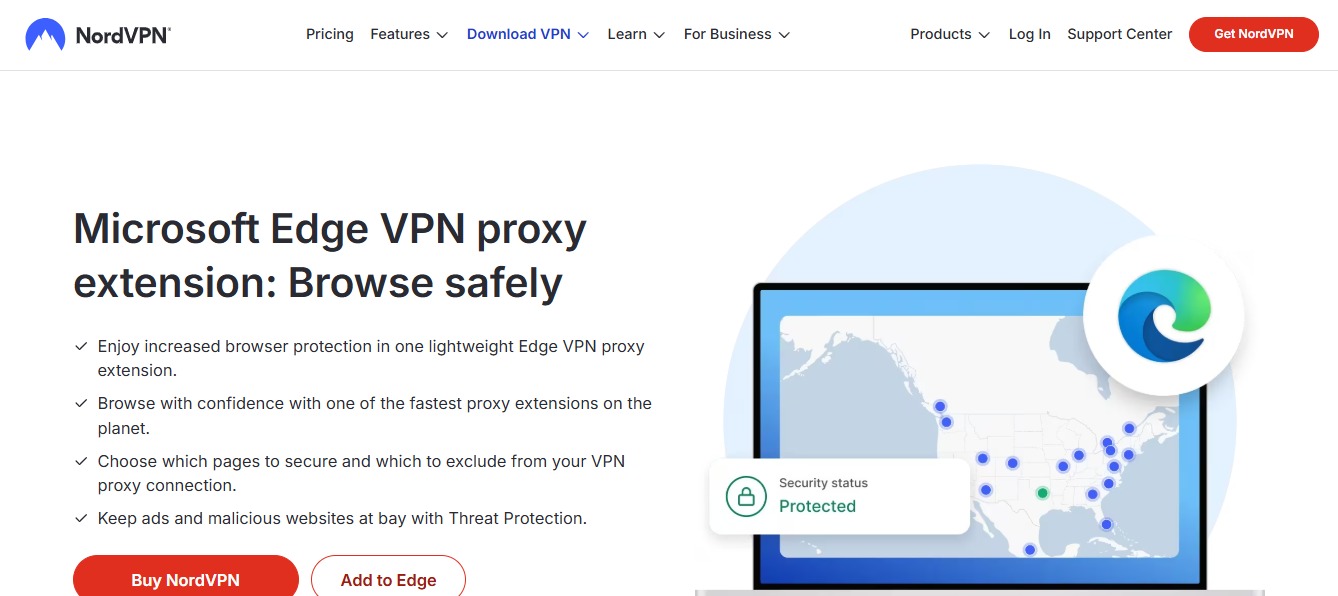
Yes, you can open a VPN in Microsoft Edge by using either Edge's built-in Secure Network feature or a VPN extension. This guide breaks down both routes, shows you exactly how to set things up, and gives practical tips to keep your browsing private and fast. You’ll learn when to use Edge’s own VPN-like option, how to install and manage a trusted extension, what to expect in terms of speed, and how to troubleshoot common hiccups. If you’re looking for a ready-made, reliable solution, NordVPN is a solid pick and there’s a current offer you won’t want to miss. NordVPN 77% OFF + 3 Months Free
Edge makes it fairly straightforward to “open a VPN” in two main ways: the built-in Secure Network a privacy feature with VPN-like protection and third-party VPN extensions installed in Edge. The paths are slightly different, so here’s a clean, practical rundown so you can pick the option that fits your needs and still keep things simple. Hotspot shield vpn extension edge 2026
What you’ll get in this guide
- Quick-start options: Edge Secure Network vs. VPN extensions
- Step-by-step setup for both methods
- Best practices for privacy, security, and performance
- Real-world tips for streaming, gaming, and browsing securely
- A robust FAQ section with common questions and clear answers
Useful resources and references unlinked text
- Edge support and official docs - support.microsoft.com
- Edge Secure Network overview - support.microsoft.com
- VPN extension info - support.microsoft.com
- NordVPN homepage - nordvpn.com
- General VPN security best practices - en.wikipedia.org/wiki/Virtual_private_network
- IP address check tool - ipinfo.io
- Windows security and firewall basics - docs.microsoft.com
- Privacy-focused browsing tips - en.wikipedia.org/wiki/Privacy_advocacy
Body
What you need to know before you start
- Edge supports VPN-like features through its Secure Network and also lets you add full VPN extensions from the Edge Add-ons store and Chrome Web Store since Edge is Chromium-based. If you want quick, built-in protection with less setup, Secure Network is the easiest path. If you want strong encryption, a wider server network, and advanced features kill switch, split tunneling, obfuscated servers, etc., a dedicated VPN extension from a reputable provider is the better route.
- Built-in or extension-based VPNs can shield your IP and encrypt traffic, but not every provider behaves identically. A reputable service with a clear no-logs policy, strong encryption AES-256, a reliable kill switch, DNS leak protection, and a broad server network will give you the best balance of privacy and performance.
- Expect some performance impact with any VPN, especially if you’re connecting to distant servers or using high-security settings. The right server, protocol, and features can minimize slowdowns—especially for streaming or gaming.
- If you’re shopping for a VPN specifically for Edge usage, prioritize: browser extension compatibility, fast servers, robust privacy protections, seamless disconnect handling, and responsive customer support.
- For the most seamless, plug-and-play experience, many users lean toward a paid, reputable VPN service. NordVPN, for example, offers a long-standing track record, thousands of servers, strong security features, and ongoing performance improvements. It’s worth considering if you want fewer headaches and strong privacy guarantees.
Using Edge’s built-in Secure Network VPN-like feature
Edge’s Secure Network is designed to provide privacy protection similar to a VPN, without needing a separate extension. It’s particularly convenient for quick protection on the go.
How to turn on Secure Network in Edge
- Open Microsoft Edge and click the three-dots menu in the upper-right corner.
- Select Settings.
- Go to Privacy, Search, and Services or look for Privacy settings in your version.
- Scroll to Secure Network or a similarly labeled option and toggle it On.
- If prompted, sign in with your Microsoft account and follow any on-screen prompts to enable the service.
- Choose your preferred region if the option appears and start browsing. The connection will route through Edge’s Secure Network servers.
- To verify it’s active, visit a site like ipinfo.io. Your displayed location should reflect the VPN server region rather than your actual location.
Notes and caveats: Hotspot shield elite vpn proxy full guide: review, features, setup, privacy, performance, pricing, and top alternatives 2026
- Secure Network is designed for privacy protection and can help with censored or restricted content in some regions, but it might not offer the same breadth of features as a full VPN extension such as split tunneling or specialized VPN protocols.
- Availability varies by region and Edge version. ensure your Edge browser is up to date to access the latest Secure Network features.
Using VPN extensions in Edge
If you want more control, stronger privacy guarantees, or access to a larger server network, install a VPN extension. Edge supports extensions from the Edge Add-ons store and Chrome Web Store due to compatibility with Chromium.
Step-by-step: installing and using a VPN extension in Edge
- Open Edge and click the three-dots menu, then select Extensions.
- Tap Get extensions from Microsoft Store or choose Allow extensions from other stores Chrome Web Store if you want more options.
- Search for a reputable VPN extension for example: NordVPN, ExpressVPN, Surfshark. Click Add to Edge to install.
- After installation, pin the extension icon to your toolbar for quick access.
- Click the VPN extension icon, sign in with your account, and grant any required permissions.
- Choose a server location and connect. Some extensions auto-optimize for speed based on your location.
- Verify your connection by visiting ipinfo.io or a similar site to confirm the new IP address and location.
Best practices when using extensions:
- Prefer extensions from reputable providers with a proven privacy track record.
- Use the kill switch feature if available to ensure traffic doesn’t leak when the VPN drops.
- Enable DNS leak protection and IPv6 disablement in the extension or Windows settings if available.
- Use a server close to your actual location for better speeds, or a nearby country that unblocks your desired content.
NordVPN in Edge
NordVPN is a popular choice for Edge users who want a robust, privacy-focused experience with a broad server network. It offers thousands of servers across 60+ countries, advanced security features, and a user-friendly interface. If you’re looking for a trusted option with solid performance, consider trying NordVPN 77% OFF + 3 Months Free via the affiliate link in this guide.
Quick comparison: built-in Secure Network vs. extensions
Edge Secure Network built-in
- Pros: Quick setup, no separate account needed if you already use Microsoft, basic privacy protection, low friction.
- Cons: Fewer customization options, limited server choices, availability varies by region, may not offer advanced features like split tunneling or a true kill switch.
VPN extensions e.g., NordVPN, ExpressVPN Free vpn for microsoft edge extension 2026
- Pros: Full-featured VPN with large server networks, robust privacy controls, flexible protocols, capable of bypassing geo-restrictions, strong kill switch and DNS protection.
- Cons: Requires an active subscription, potential browser-wide impact on speed depending on server and protocol, occasional extension updates needed.
Troubleshooting common issues
- VPN won’t connect
- Check your internet connection first.
- Make sure the extension is enabled and signed in.
- Try a different server location.
- Ensure your Windows firewall or antivirus isn’t blocking the VPN.
- DNS leaks or IP leaks
- Enable DNS leak protection in the extension’s settings.
- Disable IPv6 if your VPN can’t handle it properly.
- Use the extension’s kill switch if available.
- Slow speeds
- Choose a closer server or one optimized for streaming.
- Try a different protocol e.g., OpenVPN, WireGuard/UDP, or IKEv2 if available.
- Close other bandwidth-heavy apps.
- Extension blocked by Edge
- Update Edge to the latest version.
- Reinstall the extension, then re-authenticate.
- Check if there are regional blocks or corporate policies restricting VPN usage.
Security and privacy considerations
- Always use reputable providers with transparent privacy policies and clear terms about data collection. Avoid “free” VPNs that may log and sell your data.
- Use the kill switch to prevent traffic leaks if the VPN connection drops.
- Prefer VPNs with DNS leak protection and IPv6 handling to minimize exposure.
- Be mindful of jurisdiction and data retention laws in the country hosting the VPN servers.
Speed and performance tips for Edge VPN usage
- Connect to servers geographically close to you for the best balance of speed and reliability.
- If you’re gaming or streaming, choosing a server optimized for streaming or gaming can improve performance.
- Use wired connections when possible. wireless networks can introduce additional latency.
- Enable only the features you need e.g., disable obfuscation if not required by your region to maximize speed.
- Regularly update Edge and the VPN extension to ensure you have the latest performance improvements and security fixes.
Best practices for privacy while using Edge
- Regularly review app and extension permissions. restrict access to only what’s necessary.
- Turn on Edge’s privacy features e.g., tracking Prevention to add extra layers of protection beyond the VPN.
- Use strong authentication for your VPN account, especially if you access sensitive data.
- If you’re on public Wi-Fi, connect to a trusted VPN and avoid accessing sensitive accounts on unsecured networks.
Is Edge the best place to run a VPN?
Edge is a convenient gateway for people who primarily browse in a desktop environment and want a simple, integrated approach. If your use case demands more advanced features, broader server choices, or specialized privacy options, pairing Edge with a full-featured VPN extension from a trusted provider is the way to go. In most cases, a well-regarded paid VPN will outperform a built-in option when it comes to privacy controls, streaming accessibility, and speed consistency.
Advanced tips for power users
- Split tunneling: If your VPN supports it, route only sensitive traffic through the VPN while letting normal browsing go direct. This can preserve speed for non-sensitive tasks.
- Browser-specific routing: Some VPN extensions offer per-application routing. if you only want VPN coverage for Edge, enable it there while keeping other apps untouched.
- DNS settings: If you’re technical, consider configuring custom DNS with your VPN to minimize leakage risk, especially on shared networks.
- Regular audits: Periodically test for IP leaks and DNS leaks to ensure ongoing privacy.
Real-world use cases
- Bypassing geo-restrictions for streaming: If your library has content blocked in your region, a nearby server can help unlock it. Just keep in mind many streaming platforms actively block VPNs.
- Public Wi-Fi safety: On coffee shops or airports, turning on a VPN extension in Edge can protect your data from local snoops and network misconfigurations.
- Remote work: Connecting through a reputable VPN extension can protect sensitive work data while you browse or access corporate apps from your device.
FAQ Section
How to open vpn in microsoft edge without installing anything?
You can’t truly open a VPN in Edge without some form of VPN technology. Edge can use its built-in Secure Network or a VPN extension. If you want real, full-featured VPN protection, install a trusted extension from the Edge Add-ons store or the Chrome Web Store.
Is Edge Secure Network a real VPN?
Edge Secure Network is a privacy feature that provides VPN-like protection by routing your traffic through Microsoft-controlled servers. It is convenient and quick but may not offer all the advanced controls of a dedicated VPN service.
How do I know my IP address changed after enabling VPN in Edge?
Visit a site like http://ipinfo.io or https://whatismyipaddress.com to check your IP. If the IP differs from your real location and shows the VPN server region, you’re connected.
Does NordVPN work with Edge?
Yes. NordVPN works with Edge through its browser extension, as well as on the system level via its desktop app. It provides a broader server network, stronger privacy controls, and more features than most built-in options. Hoxx vpn review: a comprehensive guide to features, privacy, performance, pricing, and alternatives 2026
Will using a VPN in Edge slow down my connection?
Sometimes. VPNs can add latency because traffic is routed through a server. The impact depends on server distance, encryption level, and network congestion. A nearby server and a fast protocol usually minimize slowdowns.
Can a VPN protect my privacy on public Wi-Fi using Edge?
Yes. A VPN encrypts traffic and hides your activity from local network observers, which is especially important on public networks. Edge’s Secure Network adds an extra layer if enabled.
Can I watch Netflix or other streaming services with a VPN in Edge?
Many users can access geo-blocked libraries with a VPN, but some streaming platforms actively detect and block VPNs. If you’re aiming for streaming, use a reputable provider with dedicated streaming servers and a reliable kill switch.
Is Edge Secure Network available in all regions?
Availability varies by region and Edge version. If you don’t see Secure Network in your Settings, update Edge or check Microsoft support for your country.
How do I uninstall a VPN extension from Edge?
Open Edge > Extensions, find the VPN extension, click Remove, and confirm. You may also disable it from the toolbar if you want to pause protection temporarily. Hoxx vpn proxy extension guide: how to install, use, evaluate safety, and compare alternatives in 2026
Can I use VPN on mobile Edge?
Yes. The Edge mobile app supports extensions and built-in privacy features, depending on the platform and the extension availability. Look for versions compatible with iOS or Android and follow the same installation steps.
Are there privacy concerns with Edge Secure Network?
Any VPN feature relies on the service’s privacy policy and data handling. Edge’s built-in option is generally privacy-focused, but it’s wise to review data practices and consider a full-featured VPN if you need stricter controls.
How do I fix VPN connection issues in Edge?
- Ensure Edge is updated to the latest version.
- Reinstall or re-authenticate the VPN extension.
- Try a different server location or protocol.
- Check firewall and antivirus settings to ensure they’re not blocking VPN traffic.
- Verify there are no DNS leaks and IPv6 concerns by adjusting settings in the VPN extension.
九 品 堂 vpn 使用指南:如何选择、配置与优化你的虚拟专用网络体验在 2025 年