How to use vpn microsoft edge: complete guide to extensions, system-wide VPN, and performance tips 2026
'%2F%3E%3Ctext%20x%3D'50%25'%20y%3D'50%25'%20dy%3D'.35em'%20text-anchor%3D'middle'%20font-family%3D'-apple-system%2CBlinkMacSystemFont%2CSegoe%20UI%2Csystem-ui%2Csans-serif'%20font-size%3D'100'%20font-weight%3D'600'%20fill%3D'%23fff'%3ECZ%3C%2Ftext%3E%3C%2Fsvg%3E) Cordelia Zalevsky·April 11, 2026·19 min
Cordelia Zalevsky·April 11, 2026·19 min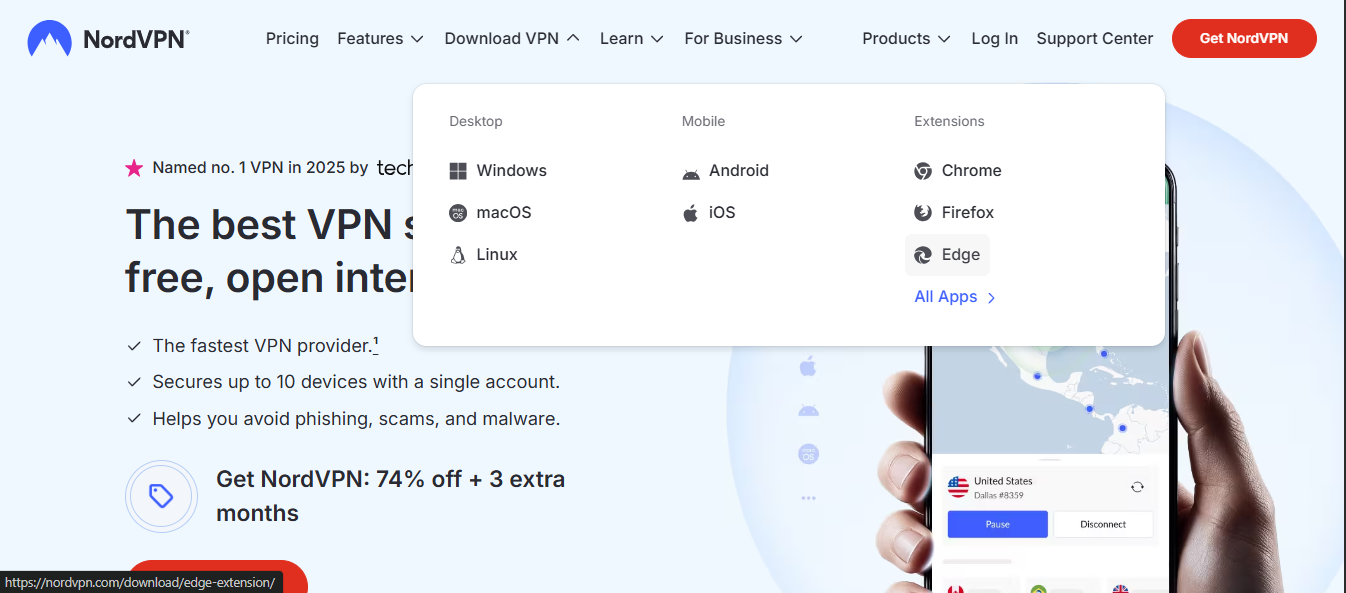
How to use VPN Microsoft Edge complete guide to extensions system wide VPN and performance tips is all about getting secure, fast browsing with Edge through good VPN choices, extensions, and smart settings that don’t slow you down. Quick fact: a well-configured VPN can help protect your privacy online and sometimes improve streaming access by avoiding throttling. Below is a practical, reader-friendly guide with steps, tips, and real-world data to help you set up and optimize a VPN on Edge, plus extensions you can trust and performance hacks that actually work.
Introduction: quick overview and what you’ll learn
- What you’ll get: a complete walkthrough to enable, manage, and optimize a VPN in Microsoft Edge, including system-wide VPN options, browser extensions, and performance tips.
- Quick fact: Edge supports native VPN configurations via Windows, plus robust extension ecosystems to control VPN behavior inside the browser.
- What’s inside: step-by-step setup, best extensions for Edge, troubleshooting, performance optimization, security considerations, and a handy FAQ.
Useful URLs and Resources text only
- Microsoft Edge support - support.microsoft.com
- Windows VPN settings overview - support.microsoft.com
- ExpressVPN Edge extension - expressvpn.com
- NordVPN Edge extension - nordvpn.com
- Surfshark Edge extension - surfshark.com
- Proton VPN Edge extension - protonvpn.com
- How VPNs affect speed – ardman.com example resource
- Privacy-focused browser tips – wikihow.com
- VPN comparison hub – forbes.com/tech/vpn-comparison
Table of contents
- Why use a VPN with Edge -VPN types and how Edge interacts with them
- Quick-start guide: enable a system-wide VPN on Windows for Edge
- Browser extensions for Edge VPN control
- Optimizing performance: speed, latency, stability
- Security and privacy considerations
- Troubleshooting common issues
- Real-world use cases
- FAQ
Why use a VPN with Edge
- Privacy protection: masking your IP, encryption, and preventing tracking on public Wi-Fi.
- Access to geo-blocked content: streaming, gaming, or services limited by region.
- Secure data on the go: you’re safer when connected to public networks or when handling sensitive information.
- Edge-friendly advantages: you don’t have to install extra software for every browser task; you can combine system-wide VPN with browser-level controls for flexibility.
VPN types and how Edge interacts with them
- System-wide VPN Windows built-in: routes all traffic through a VPN tunnel; Edge benefits automatically without extra config.
- Browser-only VPN extensions: create a VPN-like proxy inside Edge; good for quick use but may not encrypt all device traffic.
- VPN services with desktop apps and Edge extensions: most comprehensive, offering both system-wide protection and browser-specific settings.
Quick-start guide: enable a system-wide VPN on Windows for Edge
- Step 1: choose a reputable VPN service with Windows support. Look for: no-logs policy, strong encryption AES-256, modern protocols WireGuard, OpenVPN, good speed, and transparent privacy terms.
- Step 2: install the VPN app on Windows. Create an account if required, then sign in.
- Step 3: pick a server location. For standard browsing, a nearby location reduces latency; for streaming, pick a server that supports your target service.
- Step 4: enable the VPN connection. Verify the connection status in the VPN app.
- Step 5: confirm Edge routing. Open Edge and visit ipinfo.io or whatismyipaddress.com to verify your IP region matches the VPN server.
- Step 6: optionally enable split tunneling if your VPN supports it. This lets you route some apps through VPN and others directly, preserving speed for non-sensitive tasks.
- Step 7: set up auto-connect. In the VPN app, enable auto-connect on startup or when you join unsecured networks.
Browser extensions for Edge VPN control
- Why use extensions? They give quick control over which sites go through the VPN, kill switch behavior, and quick toggling without leaving Edge.
- Best practices:
- Use extensions only from reputable VPN providers.
- Verify that the extension actually routes traffic in Edge and doesn’t leak DNS.
- Keep extensions updated and monitor permissions.
Popular Edge VPN extensions examples
- ExpressVPN Edge extension: integrates with your ExpressVPN account for quick connection toggling and secure browsing.
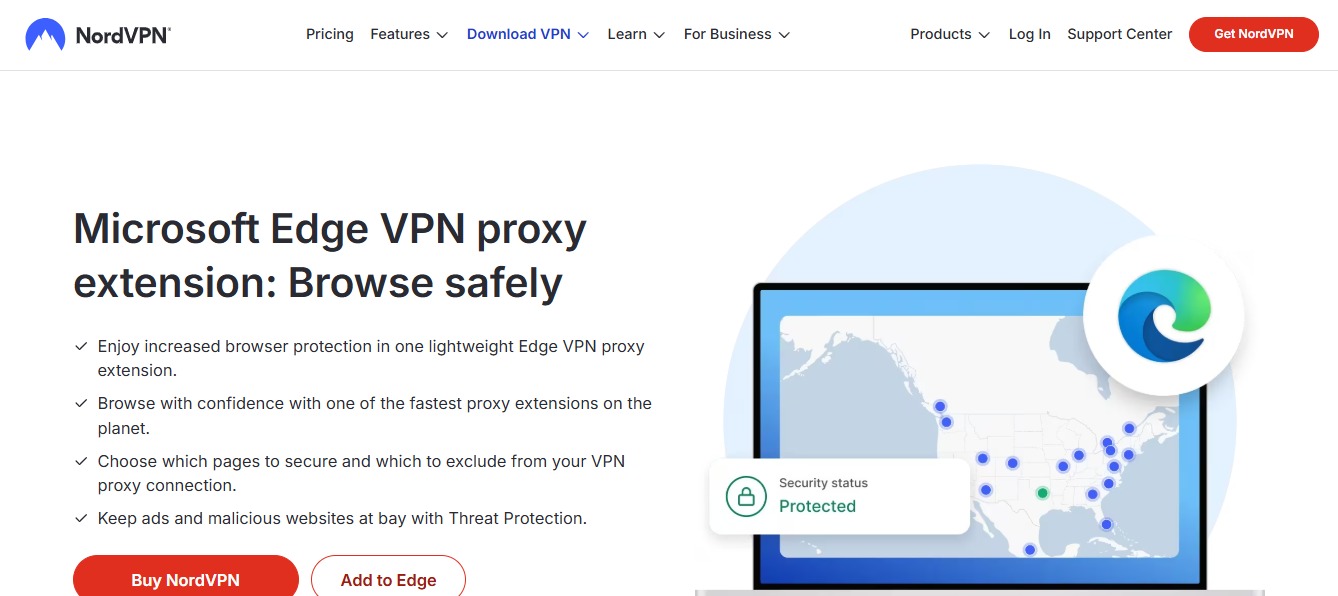
- NordVPN Edge extension: controls VPN connection and can be used with a separate system-wide VPN app for layered protection.
- Surfshark Edge extension: convenient for on-the-fly protection of Edge traffic.
- ProtonVPN Edge extension: privacy-focused option with basic controls.
How to configure a browser extension vpn in Edge
- Step 1: go to Edge Extensions three dots menu > Extensions > Get extensions from Microsoft Store.
- Step 2: search for the VPN extension you’re using e.g., ExpressVPN.
- Step 3: click Add to Edge and approve required permissions read and change data on websites is common for VPN extensions.
- Step 4: sign in to your VPN account within the extension or through the VPN service app, if required.
- Step 5: toggle the extension to connect, or set a preferred country/server if the extension supports it.
- Step 6: test by visiting a site that shows your location or IP.
Edge and DNS leaks: keep it in check
- DNS leaks can reveal your real location even with a VPN. The safest approach is to rely on a system-wide VPN or VPN extension with DNS leak protection.
- Test methods:
- Use a site like dnsleaktest.com to verify DNS results.
- Ensure your VPN app has DNS leak protection enabled.
- If leaks are detected, switch to a different server, enable the VPN’s DNS protection, or use a different provider.
Optimizing performance: speed, latency, stability
- Choose a VPN with lightweight protocols: WireGuard often offers better speed than OpenVPN.
- Pick nearby servers: latency drops when the server is physically closer.
- Enable split tunneling if supported: route only sensitive traffic through VPN; other traffic stays direct for speed.
- Use a wired connection when possible: reduces variability compared to Wi-Fi.
- Disable QoS in router settings if it is throttling VPN traffic.
- Turn off unnecessary Edge extensions and tabs to free up system resources.
- Regularly update Edge and Windows: security and performance improvements are common in updates.
- Test speeds with and without VPN to measure impact: expect some slowdown, but a good VPN should minimize it.
- Server load matters: a crowded server can slow you down; switch to a less congested location.
Security and privacy considerations
- Choose reputable providers with transparent privacy policies and audited practices.
- Use strong encryption and modern protocols WireGuard, OpenVPN with AES-256.
- Enable the VPN kill switch if your provider offers it to prevent leaks if the connection drops.
- Avoid free VPNs for sensitive data; they tend to log data or inject ads.
- Be mindful of malware-prone extensions; only install extensions from trusted sources and review permissions.
Troubleshooting common issues
- VPN won’t connect:
- Check internet connection first.
- Switch servers or protocol e.g., toggle between WireGuard and OpenVPN.
- Restart the VPN app and Edge.
- Ensure there are no firewall rules blocking VPN traffic.
- DNS leaks detected:
- Enable DNS leak protection in the VPN app.
- Use the browser extension with DNS lockdown features if available.
- Slow speeds:
- Try a nearby server, disable IPv6 in Windows network settings if it causes issues, restart router, and ensure no other bandwidth-heavy apps are running.
- Edge not routing through VPN:
- Ensure system-wide VPN is active; verify with an IP check site.
- If using both VPN app and extension, ensure they’re configured not to conflict some setups require one path.
Real-world use cases and tips
- Traveling: enable a nearby server to access local content while staying secure on public Wi-Fi.
- Remote work: use a corporate VPN extension or app to securely access internal resources from Edge.
- Streaming: pick servers that support streaming services and test different regions for best reliability.
- Privacy-conscious browsing: combine a system-wide VPN with a privacy-focused Edge profile and limited telemetry settings.
Comparison and decision-making
- If you want simplicity: use a reputable VPN with a strong Edge extension and a reliable desktop app for system-wide protection.
- If you’re privacy-focused: prioritize a VPN with a strict no-logs policy and robust DNS protection; consider ProtonVPN or NordVPN.
- If speed is critical: look for WireGuard-based providers and near servers; enable split tunneling to optimize performance.
Edge-specific tips and tricks
- Pin your VPN extension for quick access: right-click the extension icon and choose Pin.
- Use Edge profiles for different VPN needs e.g., one profile for work, one for personal use.
- Review Edge privacy settings: restrict third-party cookies, enable tracking protection, and review site permissions to minimize data exposure.
Frequently Asked Questions
- How do I enable a VPN on Microsoft Edge? You can use a system-wide Windows VPN or install an Edge extension from a reputable VPN provider, then toggle on the connection as needed.
- Do VPN extensions slow down Edge? They can, but modern extensions and VPN protocols minimize impact. Split tunneling helps preserve speed for non-sensitive tasks.
- Can I use both a Windows VPN and an Edge extension at the same time? Yes, but ensure they don’t conflict. Some setups route all traffic through the Windows VPN; the Edge extension can provide per-site routing or additional controls.
- What is DNS leak, and how to prevent it? DNS leak happens when DNS requests bypass the VPN, revealing your real location. Use DNS leak protection in your VPN app/extension and verify with DNS leak tests.
- Is free VPN safe for Edge? Generally not recommended due to privacy risks, slower speeds, bandwidth limits, and potential data logging.
- Should I enable kill switch? Yes, if your VPN offers it, to prevent data leaks if the VPN drops.
- Which Edge extensions are best for VPNs? Choose extensions from reputable providers, ensuring they have good reviews, transparent privacy policies, and regular updates.
- Can VPNs improve streaming access? They can help bypass geo-blocks and throttling from ISPs, but performance varies by server and provider.
- Does VPN protect against malware? VPNs protect your data in transit and privacy, but they don’t replace antivirus or safe browsing practices.
- How do I test VPN speed in Edge? Run a speed test both with VPN on and off using a reliable speed test site, and compare results across different servers.
Additional tips
- Regularly review what Edge extensions have access to and remove any you don’t use.
- Back up your VPN credentials securely; use a password manager.
- Consider a dedicated privacy-focused browser profile with minimal extensions for sensitive tasks.
If you want, I can tailor this guide to a specific VPN provider you’re using with Edge, or help you pick the best server locations for your needs.
Yes, you can use a VPN in Microsoft Edge by installing a VPN extension from the Edge Add-ons store and/or configuring a system-wide VPN for all apps. In this guide, you’ll learn how to use a VPN with Edge in two main ways—browser extensions and a Windows-wide VPN—so you can browse more securely, access region-locked content, and protect your data on public Wi-Fi. Along the way, you’ll get practical, step-by-step instructions, real-world tips, and troubleshooting ideas to keep things smooth. If you’re shopping for a VPN right now, NordVPN is offering a substantial deal 77% OFF + 3 Months Free that you can explore here:
Introduction overview
- Browser extensions vs system-wide VPN: what’s the difference and when to use each
- Step-by-step setup for Edge extensions
- How to configure a Windows VPN for Edge and other apps
- Tips to maximize privacy, speed, and reliability
- Common issues and quick fixes
- Practical data and trends to keep in mind when choosing a VPN
Body
Why use a VPN with Microsoft Edge?
A VPN virtual private network routes your internet traffic through an encrypted tunnel, masking your IP address and shielding your online activities from network observers. When you pair a VPN with Edge, you get:
- Improved privacy on public Wi‑Fi networks
- Access to geo‑restricted content while you’re using Edge
- A consistent security layer across Edge and other apps on your device if you use a system-wide VPN
- Protection against DNS leaks and IP leaks when configured correctly
Statistically, VPN usage has grown as more people work remotely and seek privacy online. Surveys from 2023–2024 show that a significant portion of internet users have experimented with or rely on VPNs for streaming, online shopping, and secure browsing, with regional variations in adoption. While numbers vary, the trend is clear: more people want simple, reliable VPNs that don’t slow them down too much. That’s why understanding Edge-specific options—browser extensions versus a full-system VPN—is useful for real-world use.
Browser extensions vs system-wide VPN for Edge
Edge users have two main paths to VPN protection:
- Edge browser extensions the lightweight option, controlling only Edge
- System-wide VPN a full VPN that covers Edge and every other program on the device
Here’s how to decide:
- Choose Edge extensions if you mainly want to spoof location or secure Edge traffic and you don’t need VPN coverage for other apps games, mail clients, or background software.
- Choose a system-wide VPN if you want consistent protection across your entire device, including Edge, Zoom, browsers other than Edge, email clients, and more. This is especially useful if you’re on Windows and frequently use multiple apps on public networks.
Edge extensions: how they work
- They sit inside Edge and typically offer one-click connect/disconnect, server selection, and basic privacy features.
- They encrypt Edge traffic only, not every app on your computer.
- They’re quick to install, and they don’t require changing system-wide network settings.
System-wide VPN: how it works with Edge
- A VPN app on Windows creates a virtual network adapter and routes all device traffic through a VPN tunnel.
- You’ll see a single VPN interface for Edge and every other app, which simplifies consistent privacy across the board.
- Some system-wide VPNs offer additional features like a kill switch, split tunneling, DNS leak protection, and auto-connect on startup.
Step-by-step: Using a VPN extension in Microsoft Edge
What you’ll need Hotspot shield vpn extension edge 2026
- A subscription to a VPN service with a compatible Edge extension examples: NordVPN, ExpressVPN, Surfshark, ProtonVPN
- Microsoft Edge browser stable or preview
Steps
- Open Edge and go to the Edge Add-ons store
- In Edge, click the three-dot menu in the upper-right corner, select Extensions, then “Open Microsoft Edge Add-ons” or visit the Edge Add-ons site directly.
- Search for a VPN extension
- Type the name of your VPN for example, “NordVPN” and press Enter.
- Choose and install the extension
- Click Get or Add to Edge, then confirm the installation.
- Sign in to your VPN account
- After installation, click the extension icon in the Edge toolbar and sign in with your VPN credentials.
- Pick a server and connect
- Browse the server list and pick a location. Click Connect. Some extensions show a quick status indicator to confirm you’re connected.
- Verify your connection
- Visit a site like whatismyipaddress.com to confirm your IP location matches the server you selected.
- Optional: Enable privacy features
- If your extension offers a built-in kill switch or DNS leak protection, turn these on for extra safety.
Tips for Edge extensions
- Keep the extension updated to the latest version for security and performance improvements.
- If you experience slow browsing, try a different server location or switch to a nearby country.
- Some extensions offer auto-connect on startup—enable it if you always want VPN protection as soon as Edge loads.
Step-by-step: Setting up a Windows system-wide VPN affects Edge and all apps
- A VPN service that provides a standalone Windows app or the built-in Windows VPN client
- Windows 10 or Windows 11
Steps with the built-in Windows VPN client
- Open Settings > Network & Internet > VPN
- Click Add a VPN connection
- Configure the VPN connection:
- VPN provider: Windows built-in
- Connection name: Any name you’ll recognize
- Server name or address: Provided by your VPN service
- VPN type: Typically Automatic or a specific protocol IKEv2, OpenVPN via a client, or WireGuard
- Type of sign-in info: Username and password, or a one-time code
- Save and connect
- Go back to the VPN list, select your new connection, and click Connect
- Optional: Install any recommended companion apps
- Some VPNs offer a separate desktop app that adds extra features automatic kill switch, DNS leak protection, split tunneling
What to configure for best privacy
- Enable the kill switch if available to cut all traffic if the VPN disconnects
- Enable DNS leak protection so your DNS requests don’t reveal your real IP
- Consider enabling a trusted networks or auto-connect on startup option
Testing your setup Hotspot shield elite vpn proxy full guide: review, features, setup, privacy, performance, pricing, and top alternatives 2026
- After connecting, run a quick DNS leak test dnsleaktest.com and an IP check whatismyipaddress.com to confirm that your real IP isn’t leaking and that you’re seeing the VPN’s IP.
Edge-specific considerations for system-wide VPN
- Some VPNs have browser-specific settings. If you want Edge to bypass the VPN for certain sites, you can use split tunneling if your VPN supports it, and configure which apps or URLs should bypass the VPN.
- If you rely on Edge for streaming or gaming, test the VPN connection during peak times to gauge performance and reliability.
Performance and privacy data you should know
- Latency and speed: VPNs can add 5–60 ms of latency to gaming online or around 10–100 Mbps of impact on download speeds depending on server load and distance. If you’re streaming, choose servers closer to you to minimize buffering.
- Privacy vs. speed trade-offs: Some VPNs offer VPN servers optimized for streaming with higher bandwidth at the cost of slightly higher latency. Look for servers labeled for streaming if that’s your priority.
- DNS and IP leakage risk: A well-configured VPN with DNS leak protection and a kill switch minimizes the chance of your real IP being exposed if the VPN connection drops.
Security tips to maximize protection
- Use a reputable VPN with a clear no-logs policy and strong encryption AES-256 and modern protocols WireGuard, OpenVPN.
- Keep the VPN app and Edge updated to protect against known vulnerabilities.
- Prefer a system-wide VPN if you’re on shared or public networks, so all traffic stays protected, not just Edge.
Troubleshooting common issues
Common issue 1: VPN extension in Edge won’t connect Free vpn for microsoft edge extension 2026
- Check your subscription status and sign-in credentials
- Try a different server location
- Disable other extensions that might interfere with network requests
- Restart Edge or the PC and try again
- Ensure the extension has permission to run in Edge some browsers require extra permissions
Common issue 2: VPN connection drops frequently
- Enable the kill switch in the VPN app or extension
- Check for server load. switch to a less congested server
- Ensure Windows firewall or antivirus isn’t blocking the VPN
- Update the VPN client and Windows to the latest versions
Common issue 3: DNS leaks despite VPN
- Enable DNS leak protection in the VPN app
- If using Edge extension, ensure that the extension routes DNS through VPN
- Manually configure DNS servers within your VPN’s app if available
Common issue 4: Slow speeds on VPN
- Move closer to your actual location or switch to a nearby server
- Use WireGuard or IKEv2 where supported often faster than OpenVPN
- Check for bandwidth restrictions in your plan or a throttling policy from your ISP
Best practices for a smooth Edge VPN experience
- Use reputable paid VPN services rather than free options, which often come with privacy drawbacks or data limits
- Regularly review server locations and update to the fastest available options
- Enable auto-connect only on trusted networks to avoid connecting to a VPN on untrusted networks
- Periodically test for DNS and IP leaks to ensure your setup remains secure
- Keep your Edge browser and VPN app updated to the latest version
Edge privacy features to consider beyond VPN Geo vpn download guide for streaming, privacy, and geo-restricted content on all devices 2026
- Secure DNS DNS over HTTPS or DNS over TLS settings within Edge
- Tracking protection and privacy settings in Edge to complement VPN protection
- Private browsing mode is not a replacement for a VPN. use it in addition to VPN protection
Frequently asked questions
Frequently Asked Questions
Can I use a VPN in Edge without a separate app or extension?
Yes. You can run a system-wide VPN on Windows, which protects Edge traffic and other apps, or you can use a VPN extension installed directly in Edge for browser-specific protection.
How do I install a VPN extension in Edge?
Go to Edge Add-ons, search for your preferred VPN, click Add to Edge, and then sign in to your VPN account from the extension. Pick a server and connect.
Will a VPN slow down my browsing in Edge?
It can add some overhead due to encryption and routing through a remote server. The impact varies by server distance, protocol, and your baseline connection speed. Choosing nearby servers and faster protocols typically minimizes speed loss.
Is it safe to use free VPN extensions with Edge?
Free options often come with data limits, fewer servers, and potential privacy concerns. They may monetize user data or inject ads. For real privacy and reliability, a reputable paid VPN is usually a better choice. Free vpn for microsoft edge 2026
Can I use Edge in private mode with a VPN?
Yes. A VPN works independently of Edge’s private browsing mode. If you’re using a browser extension, the extension can still function while Edge is in InPrivate mode.
How can I test if my VPN is working in Edge?
Visit whatismyipaddress.com or dnsleaktest.com to verify that your visible IP address and DNS requests reflect the VPN server rather than your real location.
What’s the difference between a browser extension VPN and a system VPN?
Browser extensions only encrypt traffic from Edge, while system VPNs route all traffic from the device through the VPN, including other browsers and apps.
Can I use NordVPN with Edge?
Yes. You can either install the NordVPN Edge extension for browser-level protection or use the NordVPN Windows app for system-wide protection.
How do I fix DNS leaks when using a VPN in Edge?
Enable the VPN’s DNS leak protection, and ensure you’re using a DNS server provided by the VPN. If issues persist, switch servers or use the system-wide VPN instead of only the Edge extension. How to open vpn in microsoft edge 2026
How often should I update my VPN extension or app?
Update as soon as a new version is available. Security patches and performance improvements are common in newer releases, and staying current reduces risk.
Is it safe to connect to a public Wi‑Fi network with a VPN in Edge?
Yes. A VPN adds a crucial layer of protection on public networks by encrypting traffic, concealing your IP, and helping prevent certain types of network-based monitoring.
Can I use a VPN to watch region-locked content in Edge?
Yes, many VPNs offer servers in various countries to access region-locked streaming libraries. However, streaming platforms frequently update their anti-VPN measures, so availability can vary over time.
Do VPNs protect against malware or phishing?
VPNs primarily protect your data in transit and improve privacy. They don’t replace safe browsing practices, anti-malware software, or secure email handling. Combine VPN use with good security for best results.
Resources and quick references Hoxx vpn review: a comprehensive guide to features, privacy, performance, pricing, and alternatives 2026
- Edge Add-ons store: edge://extensions or edge://extensions-manager
- How to set up Windows VPN: Windows Settings > Network & Internet > VPN
- What is a VPN? general privacy and security primer
- DNS leak testing: dnsleaktest.com
- IP address check: whatismyipaddress.com
- VPN provider comparison pages: keep an eye on recent reviews and independent tests
- Privacy best practices in 2025: reputable cybersecurity blogs and research reports
- Edge privacy settings: Edge’s built-in privacy and security settings page
- General network troubleshooting steps: support forums and Microsoft Help articles
Useful URLs and Resources un clickable text
- Edge Add-ons store overview - edge add-ons store
- Microsoft Edge Extensions policy page - microsoft edge extensions policy
- NordVPN official site - nordvpn
- ExpressVPN official site - expressvpn
- Surfshark official site - surfshark
- WhatIsMyIPaddress - whatismyipaddress
- DNSLeakTest - dnsleaktest
- Windows VPN setup guide - windows vpn setup guide
- Network and Internet settings in Windows - windows settings network vpn
- VPN protocol overview - wireguard ikev2 openvpn
Note: The banner above is included to help you quickly evaluate a trusted option as you decide on a VPN for Edge. The banner link takes you to a partner offer for potential savings.
Geo vpn for global streaming, privacy, and secure browsing: how Geo vpn works, top providers, setup tips, and 2025 guide