One click vpn edge: the complete guide to fast, secure one-click VPN setup for edge devices and browsers 2026
'%2F%3E%3Ctext%20x%3D'50%25'%20y%3D'50%25'%20dy%3D'.35em'%20text-anchor%3D'middle'%20font-family%3D'-apple-system%2CBlinkMacSystemFont%2CSegoe%20UI%2Csystem-ui%2Csans-serif'%20font-size%3D'100'%20font-weight%3D'600'%20fill%3D'%23fff'%3ECZ%3C%2Ftext%3E%3C%2Fsvg%3E) Cordelia Zalevsky·April 11, 2026·38 min
Cordelia Zalevsky·April 11, 2026·38 min
One sentence summary: One click VPN edge makes securing your online activity effortless by letting you connect with a single tap or click, across edge devices and browsers, without juggling settings.
One click vpn edge the complete guide to fast secure one click vpn setup for edge devices and browsers Ever wondered how to get a VPN up and running in seconds on all your devices? This guide lays it out for you in plain English, with practical steps you can follow today. Here’s a quick snapshot of what you’ll learn:
- Why one-click VPNs matter for edge devices and browsers
- How to choose a VPN that supports edge devices routers, IoT, desktop, mobile
- Step-by-step setup guides for popular edge platforms
- Security best practices to keep your connection safe
- Common pitfalls and quick fixes
- Quick-reference resources and tools
Useful URLs and Resources text only Apple Website - apple.com Android Developers - developer.android.com Wikipedia - en.wikipedia.org NordVPN - nordvpn.com ExpressVPN - expressvpn.com OpenVPN - openvpn.net WireGuard - www.wireguard.com Mozilla VPN - vpn.mozilla.org Edge Browser Support - support.microsoft.com Chrome Web Store - chrome.google.com/webstore
Why a One-Click VPN Edge Setup Matters
- Edge devices sit at the edge of your network: routers, IoT hubs, smart TVs, gaming consoles, and work laptops. A one-click VPN simplifies protection across these devices without complicated manual configurations.
- Speed and convenience: a single tap or click to connect saves time and reduces the chance you’ll skip protection.
- Consistent encryption: most one-click solutions use modern protocols like WireGuard or OpenVPN, giving you strong privacy with minimal performance hit.
- Reduced misconfigurations: fewer moving parts means less room for setup errors that could leak data.
How One-Click VPNs Work on Edge Devices
- Service profiles: you pick a profile e.g., “Home,” “Work,” or “Travel” and the app/applet configures the VPN server, protocol, and kill switch automatically.
- Auto reconnect: if the connection drops, the one-click app attempts to reconnect without user intervention.
- Network routing: the VPN client handles split tunneling or full tunnel routing based on the chosen profile.
- System integration: many edge solutions integrate with router firmware, browser extensions, or OS-level VPN clients.
Top-Tier Edge Scenarios and Setups
Desktop and Laptop Windows, macOS, Linux
- Step-by-step quick setup:
- Choose a reputable VPN provider with one-click install support.
- Download the app or browser extension.
- Log in and select a profile e.g., “Work” or “Home”.
- Click Connect and verify the encrypted tunnel is active.
- Bonus tips: enable kill switch and DNS leak protection; use WireGuard for fastest speeds.
Mobile iOS and Android
- Quick start:
- Install the VPN app from the store.
- Open app, sign in, and grant necessary permissions.
- Tap the big Connect button.
- Test by visiting a site that shows your IP and location.
- Pro tip: enable auto-connect on untrusted networks cafes, airports and allow Always-On VPN if your OS supports it.
Routers and Home Networks
- Why this matters: a VPN on your router protects every device on your network, including smart TVs and game consoles.
- Setup path overview:
- Ensure your router supports VPN firmware or has a compatible app DD-WRT, OpenWrt, Asuswrt-Merlin, or native VPN in firmware.
- Install or enable one-click VPN via the router’s admin interface or companion app.
- Choose a profile, apply, and test with a connected device.
- Security note: update router firmware regularly and use strong admin passwords.
Edge IoT Devices
- Challenges: limited CPU, memory, and sometimes restricted OS.
- Solution: use lightweight VPN clients or a VPN-enabled gateway that routes traffic from IoT devices through the VPN.
- Quick-start concept:
- Set up a VPN-enabled gateway a small dedicated device or a Raspberry Pi as the hub.
- Point IoT devices to route through that gateway automatically.
- Use a one-click management app to toggle protection.
Browsers Chrome, Firefox, Edge
- Why it helps: browser-based VPNs or extensions give quick protection for browsing sessions.
- How to use:
- Install the browser extension.
- Sign in and enable the VPN with one click.
- Confirm the browser's IP changes using an online IP checker.
- Caveat: browser extensions may not secure non-browser traffic background apps. For full device protection, pair with a system-wide VPN or router-level VPN.
Important Protocols and What They Mean
- WireGuard: fast, lean, and modern. Great for one-click setups because it has fewer moving parts and lower overhead.
- OpenVPN: highly configurable and widely supported. It can be slower but very versatile.
- IKEv2: good balance of speed and stability, often used on mobile devices.
- You don’t have to pick only one: many one-click solutions let you switch between protocols per profile.
Security Best Practices for One-Click VPN Edge
- Kill switch: prevents data leaks if the VPN drops unexpectedly.
- DNS leak protection: ensures DNS queries don’t reveal your real location.
- Auto-connect on trusted networks: reduces the chance you’ll browse unprotected on public networks.
- Strong authentication: use multi-factor authentication MFA where available.
- Regular updates: keep your VPN app, device firmware, and router OS up to date.
- Split tunneling smartly: route only sensitive traffic through the VPN if you don’t need all traffic protected.
- Confirm IP and DNS leakage tests after setup: a quick check helps ensure everything is wired correctly.
Common Scenarios and Quick Fixes
- Scenario: VPN won’t connect on startup
- Fix: ensure auto-connect is enabled, reboot the device, check for firewall blocks, verify server status.
- Scenario: DNS leaks detected
- Fix: enable DNS leak protection, switch to a DNS server provided by your VPN, or use a DNS protection feature.
- Scenario: Slow VPN speeds
- Fix: try a different server, switch protocol to WireGuard, check your internet speed baseline, minimize background downloads.
- Scenario: Edge router won’t accept VPN profile
- Fix: update router firmware, ensure compatibility, try a different VPN app or firmware variant.
Performance and Bandwidth Considerations
- VPN overhead typically adds 5–15% latency and 10–20% bandwidth overhead, depending on protocol and server distance.
- WireGuard generally performs best for one-click setups due to lightweight code and efficient cryptography.
- Server proximity matters: choose a server close to your location for the best speeds.
Privacy and Jurisdiction
- VPN providers have different privacy policies and data retention practices. Look for:
- No-logs policy with independent audits
- Transparent data handling and privacy notices
- Clear explanation of what data is collected connection metadata vs. content
- Jurisdiction matters. Providers based in privacy-friendly regions may offer stronger protection against data requests.
How to Choose the Right One-Click VPN for Edge Devices
- Cross-device support: ensure it covers desktops, mobiles, routers, and browser extensions.
- One-click deployment: look for “one-click install” or “one-click connect” features across platforms.
- Performance: prioritize providers with WireGuard integration and fast servers.
- Security features: kill switch, DNS leak protection, MFA, and auto-connect.
- Transparency: clear terms, honest speed tests, and independent audits.
Quick Comparison: Popular One-Click VPN Solutions for Edge
- Solution A
- Pros: fast setup, strong security, good router support
- Cons: limited free tier, some servers may be overloaded
- Solution B
- Pros: excellent browser extensions, wide device coverage
- Cons: some advanced features behind paywall
- Solution C
- Pros: router-friendly, robust kill switch, great privacy policies
- Cons: setup can be tricky on older hardware
- Note: Always verify current features on the provider’s site, as capabilities change over time.
Step-by-Step: Setting Up a One-Click VPN Edge on a Typical Home Network
- Step 1: Pick a provider with a one-click experience and router compatibility.
- Step 2: Decide your use case: privacy, streaming, gaming, or work access.
- Step 3: Install the VPN app on your main device first and confirm it works.
- Step 4: Enable auto-connect and the kill switch.
- Step 5: If you’re protecting multiple devices, configure your router or gateway for VPN protection.
- Step 6: Run a few tests:
- IP address test to confirm you’re browsing from the VPN’s location
- DNS leak test to ensure DNS requests are hidden
- Speed test to estimate impact
- Step 7: Save your settings as a profile for quick access later.
Real-World Tips for Getting the Most from One-Click VPN Edge
- Don’t overdo it with profiles: keep a few practical ones Home, Work, Travel.
- Use a dedicated gateway for IoT devices if you have many smart devices.
- Schedule automatic updates during off-peak hours to minimize disruption.
- Periodically test your VPN’s effectiveness with simple privacy checks IP check, DNS leaks, WebRTC leak tests.
Data-Driven Insights and Industry Trends
- Market growth: consumer VPN adoption continues to rise, with edge-device support becoming a standard feature.
- Security posture: more VPNs offer kill switches, MFA, and per-app routing to protect sensitive traffic.
- Performance: new implementations of WireGuard and optimized server networks are reducing latency on mobile networks.
Boxed Checklists and Quick References
- Quick setup checklist
- Choose one-click VPN that supports edge devices
- Install and sign in
- Select a profile and connect
- Enable kill switch and DNS leak protection
- Test IP and DNS
- Save profile for easy access
- Edge device readiness checklist
- Check device compatibility
- Verify firmware or OS supports VPN client
- Ensure network hardware is up to date
- Prepare a dedicated gateway if needed
- Security hardening checklist
- Enable MFA
- Use strong passwords
- Update firmware regularly
- Review app permissions
Frequently Asked Questions
What is a one-click VPN edge?
A one-click VPN edge is a VPN setup that lets you connect to a secure server with a single tap or click, across edge devices like routers, IoT hubs, desktops, mobiles, and browser extensions.
Do I need a paid VPN for edge device protection?
Not always, but paid VPNs typically offer stronger security, better performance, broader device coverage, and live support. Most reputable providers offer a trial or money-back guarantee.
Can I protect all devices with a single VPN on my router?
Yes. Setting up the VPN on your router can route all connected devices’ traffic through the VPN. This provides universal protection for devices that don’t support VPN apps directly.
Which protocol is best for one-click setups?
WireGuard is generally fastest and simplest for one-click setups. OpenVPN is more mature and widely supported but can be slower.
How do I test if my VPN is working properly?
Run an IP address check to confirm location masking, perform a DNS leak test to ensure DNS queries are encrypted, and do a speed test to assess performance. Nordvpn edgerouter x guide: complete setup, tips, and troubleshooting for NordVPN on EdgeRouter X 2026
Is a kill switch necessary?
Yes. A kill switch prevents data leaks if the VPN connection drops, which is critical for maintaining privacy.
Will a VPN slow down my internet?
Some slowdown is expected due to encryption and rerouted traffic, but with modern protocols like WireGuard and nearby servers, the impact is often minimal.
Can I use a VPN on public Wi-Fi without a browser extension?
Yes, many VPNs offer system-wide clients that protect all traffic, which is ideal on public networks.
How can I protect my IoT devices with a one-click VPN?
Use a VPN-enabled gateway or router to route IoT devices’ traffic through the VPN. This is often more reliable than trying to install VPN clients on limited IoT devices.
What should I do if the VPN blocks streaming services?
Some providers specialize in unblocking streaming content. Try a different server, use the streaming-optimized profile if available, or contact support for recommended servers. Microsoft edge vpn not working: troubleshooting, fixes, and optimization guide for Windows, macOS, and mobile 2026
Are browser extensions enough for protection?
Browser extensions protect traffic inside the browser, but they don’t cover other apps on your device. For full protection, use a system-wide VPN or router VPN in addition to a browser extension.
How often should I update my VPN app?
Update whenever a new version is released to get security patches, bug fixes, and performance improvements.
Can I run a VPN and a firewall at the same time?
Yes. They are complementary. Ensure they don’t conflict by checking for rule overlaps in your firewall settings.
What’s the privacy advantage of edge VPNs?
Edge VPNs extend protection to the edge of your network, covering devices that may not run VPN apps themselves, reducing exposure from unsecured devices.
Do VPNs work on gaming consoles?
Many VPNs do offer router-based or console-compatible solutions. Some consoles support VPN apps directly, but router-level VPNs are often the most straightforward option. Microsoft edge secure network vpn reddit 2026
How do I switch servers quickly on a one-click VPN?
Use the quick-connect or server list in the app and pick a new country or city. Many apps remember your recently used servers for faster access.
Are there free one-click VPN options for edge devices?
Free options exist but often come with limits like data caps, slower speeds, fewer servers, and fewer security features. Paid plans usually provide better reliability and security.
What makes a VPN “edge-ready”?
Edge-ready means it supports installation or operation across router firmware, gateway devices, desktop/mobile, and browser extensions with a unified control plane for easy switching.
How do I troubleshoot a VPN that won’t connect?
Check internet access, verify your login status, ensure the server is online, try a different server, review firewall settings, and reboot devices if needed.
Can I use a VPN to bypass geo-restrictions?
Some services attempt to block VPNs, and success varies. If you’re using a VPN to access geo-restricted content, choose servers known to work with that service and check their current policy. Magic vpn edge comprehensive guide to its features, security, performance, setup, and comparisons 2026
What’s the best way to test privacy when using a one-click VPN?
Run multiple tests: IP check, DNS leak test, WebRTC leak test, and monitor for any unusual traffic patterns. Consider independent audits of the provider for extra assurance.
Introduction
One click vpn edge is the easiest way to connect securely to a VPN with a single tap. In this guide, you’ll learn what “one click VPN edge” actually means, how it works across devices, what features to look for, and practical steps to set it up for everyday browsing, work-from-home, and travel. Think of it as a streamlined, edge-focused approach to privacy: you press one button and you’re wrapped in a secure tunnel.
- What you’ll get in this guide:
- A simple explanation of the concept and why it matters
- Step-by-step setup guides for Windows, macOS, Android, iOS, and browser extensions
- A clear breakdown of protocols, security features, and performance tips
- Real-world use cases and troubleshooting tricks
- A handy buyer’s checklist to choose the right provider
If you want a quick start with a trusted provider, consider NordVPN for a fast one-click setup and strong privacy protections. For a limited-time deal, check out the NordVPN offer badge below the badge is clickable and takes you to the promotional page:
Useful resources you may want to bookmark as you read:
- NordVPN official site - nordvpn.com
- Virtual private network overview - en.wikipedia.org/wiki/Virtual_private_network
- VPN security basics - us-cert.gov
- WireGuard project - www.wireguard.com
- OpenVPN project - openvpn.net
Now, let’s break down what “one click vpn edge” means and how to make the most of it.
What is one click vpn edge?
# Definition and scope
One click vpn edge refers to a VPN connection that can be established, maintained, and managed with a single action—typically a single button or tap. The “edge” part emphasizes that the VPN is integrated at the device or network edge your computer, smartphone, router, or browser rather than requiring multi-step manual configuration every time you want to browse securely.
- Edge devices include: laptops, desktops, mobile phones, tablets, smart TVs, and routers.
- The goal is frictionless privacy: you press once, and your data is encrypted, your IP is masked, and your traffic is routed through a secure server.
# Why it matters
- Convenience: less setup, fewer mistakes, and consistent protection.
- Consistency: reduces the chance you forget to enable protection on a new app or a different device.
- Security posture: one-click solutions often bundle kill switches, DNS leak protection, and auto-reconnect features.
# What it isn’t
- It isn’t a magic shield that makes you invisible. it’s a privacy and security tool that reduces risk on public networks and protects sensitive data from basic surveillance and eavesdropping.
- It isn’t only for news bypass and streaming. a solid one-click edge setup also supports remote work encryption and safe SaaS access.
How one click vpn edge works in practice
# The basic flow
1 You install a VPN app or browser extension that offers a one-click toggle.
2 You press the “Connect” button the one-click action.
3 The app negotiates with a VPN server using a secure protocol like WireGuard or OpenVPN.
4 Your device creates an encrypted tunnel, masks your IP, and routes traffic through the server.
5 The app maintains the connection, with automatic reconnect if the network changes.
# Key components
- Client app: the user-facing interface that triggers the one-click connection.
- VPN server network: a distributed set of servers around the world.
- VPN protocol: the rules that govern how data is encrypted and transmitted WireGuard, OpenVPN, IKEv2.
- Security features: kill switch, DNS leak protection, split tunneling, and sometimes malware/ads blocking.
# Common outcomes
- Improved privacy on public Wi‑Fi
- Access to geo-restricted content from different regions
- A private data path when using shared networks
- Lower risk of IP leaks in scenarios with flaky connections thanks to killswitch and automatic reconnect
Choosing the right one-click VPN edge provider
# What to look for
- Privacy and logging policy: no-logs claims, independent audits if possible.
- Protocols: WireGuard for speed, OpenVPN for compatibility, IKEv2 for stability on mobile.
- Security features: kill switch, DNS leak protection, automated reconnect, auto-connect on startup.
- Network size and server distribution: many servers in diverse locations to reduce latency.
- Speed and reliability: real-world tests show variance. aim for providers with low overhead on WireGuard.
- Cross-device support: one-click setups across Windows, macOS, iOS, Android, and browser extensions.
- Transparent pricing and clear refund policies.
- Ease of use: clean interfaces, quick-connect options, and reliable automatic reconnect.
# Why NordVPN is a popular choice for one-click edge
NordVPN is commonly favored for its large server network, strong encryption, and user-friendly one-click connections. It offers:
- Simple “Quick Connect” or one-click connect options on multiple platforms
- WireGuard-based speeds via the NordLynx protocol
- Kill switch and DNS leak protection by default
- Clear no-logs policy and independent audits
- Compatibility with Windows, macOS, iOS, Android, Linux, and browser extensions
Note: Always review the current terms and conditions and consider privacy requirements unique to your location and use case.
Security fundamentals for one-click vpn edge
# Encryption and protocols
- WireGuard: fast speeds, modern cryptography, simpler codebase, and widely adopted for one-click setups
- OpenVPN: mature, highly compatible, great for legacy devices
- IKEv2: solid mobile performance, quick handoffs between networks
# Essential features
- Kill switch: stops all traffic if the VPN drops, preventing accidental leaks
- DNS leak protection: ensures DNS queries don’t reveal your real IP
- Auto-connect: automatically connects on startup or when on unsecured networks
- Split tunneling: lets you choose which apps go through the VPN
- No-logs policy: a commitment that the provider doesn’t store your activity
# Privacy and policy basics
- Jurisdiction: consider where the provider operates and data retention laws
- Audit status: independent audits add credibility
- Third-party disclosures: transparency reports help gauge how data is handled
One-click setup: step-by-step guides by device
# Windows
1 Install the provider’s Windows app from the official site or a trusted store.
2 Open the app and enable “One-Click Connect” or the Quick Connect feature.
3 Choose a server location if you want to optimize speed or access a specific region.
4 Confirm connection. the app shows a connected status and your new IP/address.
Tips:
- Enable the kill switch and DNS leak protection in settings.
- Use auto-connect on startup if you want protection from power-on.
- For gaming or streaming, test a nearby server to minimize latency.
# macOS
1 Download the macOS app and install.
2 Launch and hit the one-click connect button often labeled “Connect” or “Quick Connect”.
3 If needed, pick a server close to your region for best performance.
4 Verify the VPN status in the app and test a quick speed check.
- Allow the app to start on login for continuous protection.
- Check macOS’s Network settings to ensure there are no conflicting VPN profiles.
# Android
1 Install the VPN app from Google Play or the official provider site.
2 Open the app and press the one-click connect button.
3 Confirm any permission prompts device-level VPN permission.
4 You’re connected. switch to a preferred server if needed.
- Enable auto-connect on Wi‑Fi networks that don’t require a login.
- Keep the app updated to get the latest performance and security improvements.
# iOS
1 Install the iOS app from the App Store.
2 Tap the one-click connect button in the app.
3 If prompted, allow configuration of the VPN profile.
4 You’re connected. you can use the app’s shortcuts for quick access from Control Center.
- iOS often handles VPN connections efficiently, but ensure background activity isn’t restricted.
- Use the “lock” icon in the widget to verify a secure connection quickly.
# Browser extensions
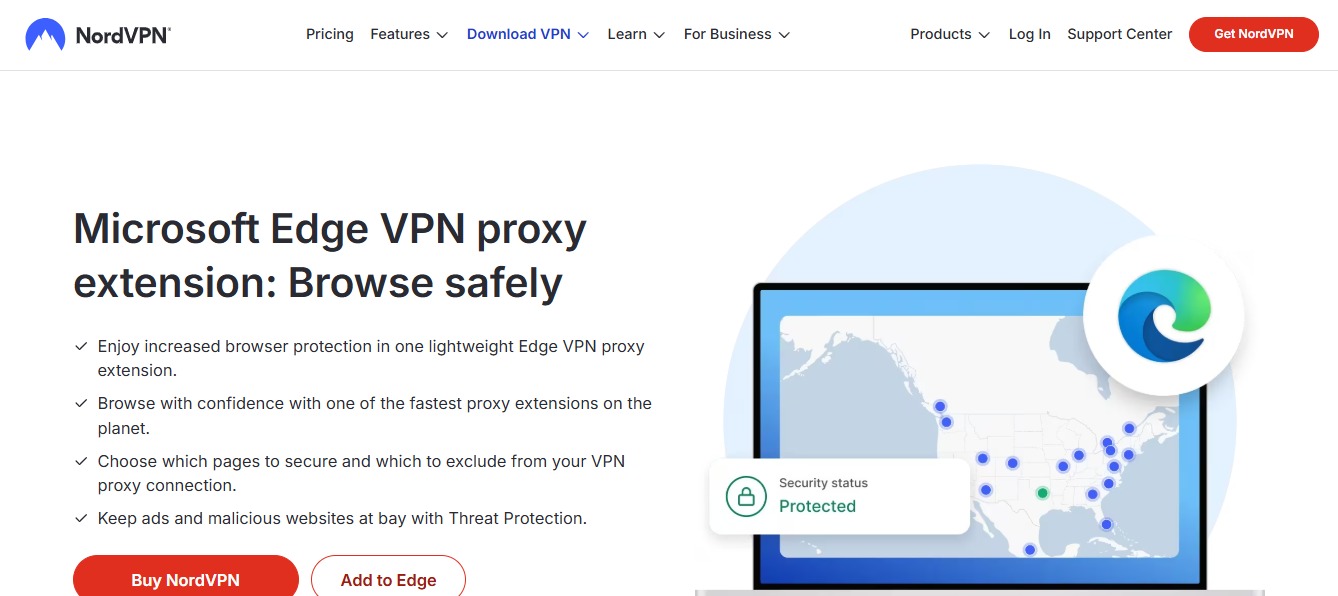
1 Install the provider’s browser extension for Chrome, Firefox, or Edge.
2 Click the extension icon and press the one-click connect option.
3 Some extensions offer split tunneling or per-site VPN control for selective privacy.
- Extensions are convenient but may not cover all traffic system-wide VPNs do. Use a full-system VPN if you need all traffic protected.
Performance considerations and optimization
# Speed impacts
- Expect some speed reduction due to encryption overhead and longer routes, but good providers minimize this with optimized servers and protocol choices.
- WireGuard-based paths typically offer better throughput and lower latency compared to older protocols like OpenVPN in many scenarios.
# Latency and server choice
- Choose a server geographically closer to you to reduce hops and latency.
- For streaming, a server in the same region as the content often yields the best buffer-free experience.
# Stability tips
- Use auto-reconnect and a reliable kill switch to avoid drops during gaming or video calls.
- If you notice congestion, switch servers or try a different protocol e.g., WireGuard vs. OpenVPN.
- Regularly update apps to benefit from security patches and performance tweaks.
Real-world use cases
# Public Wi‑Fi protection
On a coffee shop or airport network, a one-click VPN edge stops eavesdroppers from sniffing traffic and makes your data harder to intercept.
# Remote work and business security
Employees can connect via a single tap to a company-approved gateway, ensuring encrypted access to internal resources.
# Streaming and geo-restrictions
Access content libraries from different countries without manually configuring VPN settings every time.
# Travel and privacy
Travelers can maintain a consistent privacy layer across networks, reducing tracking by networks you don’t control.
Common myths vs. reality
- Myth: A VPN makes you completely anonymous.
Reality: It improves privacy, hides your IP from the destination site, and protects data on the network, but it doesn’t absolve you of all tracking or legal responsibility.
- Myth: One-click VPN means zero maintenance.
Reality: You still need to monitor privacy settings, keep software updated, and review server choices for performance and policy reasons.
- Myth: All VPNs are the same.
Reality: Server networks, logging policies, protocol choices, and features vary a lot. always check the specifics.
Troubleshooting quick tips
- If you can’t connect: check your internet, restart the app, switch servers, or toggle the one-click connection off and on.
- If pages aren’t loading after connection: try a different server or enable split tunneling for essential apps.
- If you see DNS leaks: re-enable DNS leak protection, or flush DNS and reconnect.
- If the app crashes: clear cache/data, reinstall the app, or run a clean install from the official site.
- If speed is slow: test WireGuard vs OpenVPN, pick a server closer to you, or reduce encryption overhead by disabling unnecessary features.
Using one-click vpn edge securely: best practices
- Always enable the kill switch and DNS leak protection.
- Use strong, unique passwords and enable two-factor authentication 2FA for your VPN account.
- Review your privacy settings in both the VPN app and your device OS.
- Avoid using VPNs on untrusted or compromised networks for sensitive activities.
- If you’re sharing a device, use a separate profile or user account to isolate traffic.
Privacy and policy considerations
- Read the provider’s privacy policy to understand what data, if any, is collected and for how long.
- Look for independent audits and transparency reports that verify no-logs claims.
- Consider jurisdiction and data retention laws that could impact privacy.
Frequently Asked Questions
# What is a one-click vpn edge?
A one-click vpn edge is a VPN setup that enables a secure connection with a single tap or click, typically on a device’s VPN client or a browser extension, with emphasis on edge devices like laptops, phones, routers, and smart devices.
# How is it different from a regular VPN connection?
A one-click solution emphasizes ease of use and automation. Regular VPN setups often require more manual steps, server selection, and test connections. Edge-optimized versions focus on quick protection as you connect to networks, especially on mobile or new devices.
# Which devices support one-click vpn edge?
Windows, macOS, Android, iOS, and many browser extensions support one-click VPN connections. Some routers and smart devices can also offer a one-click edge setup through a centralized management app.
# What protocols are best for a one-click edge setup?
WireGuard is typically preferred for speed and modern security, OpenVPN for broad compatibility, and IKEv2 for mobile stability. A good provider will let you switch between these with minimal friction.
# Is one-click vpn edge safe for streaming?
Yes, when paired with a trusted provider, one-click VPN edge can unblock geo-restricted content and protect your data on streaming apps. Check for fast servers, strong encryption, and a reliable kill switch to minimize buffering.
# How do I set up one-click vpn edge on Windows?
Install the provider’s Windows app, click the connect button, choose a server if needed, and verify the connection. Enable kill switch and DNS leak protection in settings for best safety.
# How do I set up on macOS?
Install the macOS app, press the one-click connect, pick a nearby server, and confirm the connection. Ensure auto-connect is enabled if you want continuous protection.
# How do I set up on Android?
Install the Android app, tap connect, and grant VPN permissions. Turn on auto-connect to ensure protection on unsecured networks.
# How do I set up on iOS?
Install the iOS app, tap connect, and allow profile installation if prompted. Use Control Center quick controls to verify a secure connection status.
# Does one-click vpn edge affect my browsing speed?
Some slowdown is normal due to encryption and routing. A well-optimized one-click edge setup with WireGuard tends to have the smallest impact, especially when connected to nearby servers.
# Can I use one-click vpn edge with a browser extension alone?
Yes, browser extensions offer quick protection for browser traffic, but for system-wide protection across all apps, a full-device VPN client is preferable.
# Do VPNs log my activity with one-click edge?
Policy varies by provider. Pick a no-logs provider with independent audits for stronger privacy assurances. Always read the privacy policy and review recent transparency reports.
Quick buyer’s checklist for one-click edge VPN
- Privacy: no-logs policy, independent audits
- Speed: WireGuard support, low latency servers
- Security: kill switch, DNS leak protection, auto-connect
- Cross-platform: Windows, macOS, iOS, Android, extensions
- Server diversity: many locations, balanced load
- Transparency: clear pricing, refunds, and retention terms
- Support: responsive chat or email, helpful setup guides
- Extra features: split tunneling, malware/advertising blocking, obfuscation if you’re in restricted regions
What to expect in 2025 and beyond
- More devices will natively integrate VPN features at the OS or router level, bringing true one-click edge experiences to everyday devices.
- Providers will continue to optimize WireGuard-based networks for even higher speeds and better battery life on mobile devices.
- Privacy-conscious users will demand stronger independent audits and simpler, more transparent policies.
- Browser vendors may expand native privacy controls, but a robust one-click VPN edge will still be a valuable layer of protection for all network traffic.
Resources and further reading non-clickable list
A one-click vpn edge is a VPN setup that enables a secure connection with a single tap or click, typically on a device’s VPN client or a browser extension, focusing on edge devices like laptops, phones, routers, and other endpoints.
# Why should I use one-click vpn edge?
It simplifies privacy and security, reduces misconfigurations, and ensures protection across devices and networks with minimal effort.
# Can I use one-click vpn edge on multiple devices at once?
Yes. Many providers offer simultaneous connections across devices, with a single-click setup for each device.
# Is one-click vpn edge safe for online banking?
Yes, when connected to a trusted VPN server with strong encryption and a killswitch, it adds a layer of protection for sensitive transactions on unsecured networks.
# Do all VPNs offer one-click edge features?
Not all do. Look for providers with easy-to-use Quick Connect options, robust security, and cross-platform support.
# How do I test if the VPN is working after one-click connect?
Check your IP address and location on a site like whatismyip.com, run a speed test, and verify DNS leak protection is active in the app settings.
# Can a one-click VPN edge improve my gaming latency?
It can reduce latency if you connect to a nearby optimized server, but VPNs can also add some overhead. Test a few servers to find the best balance.
# Will a one-click VPN edge protect me on public Wi‑Fi?
Yes, especially when combined with a kill switch and DNS leak protection.
# How often should I update my VPN app?
Update as soon as a new version is released to ensure you have the latest security fixes and performance improvements.
# Can I use one-click vpn edge for streaming services that block VPNs?
Some services actively block VPNs. a good provider may offer obfuscated servers or other methods to bypass blocks, but results vary by service and region.
# Is NordVPN a good option for one-click edge?
NordVPN is a popular and reputable choice for many users, offering easy one-click connect features, strong security, and broad device support. Always verify current promotions and policy details before purchasing.
# Do VPNs slow down my internet significantly?
Some slowdown is common due to encryption and routing. The impact varies by protocol, server location, and network conditions. WireGuard generally offers better speed in many scenarios.
If you found this guide helpful, you can start exploring one-click vpn edge on your devices today and experiment with different server locations to find the balance between speed, privacy, and accessibility. Remember, the goal is to stay protected without friction, so you can focus on what matters most—your browsing, work, and entertainment.
极速vpn下载:快速获取与安装高性能VPN的完整指南(隐私保护、解锁内容、跨设备使用、测速与常见问题)