Vpn edge browser 2026
'%2F%3E%3Ctext%20x%3D'50%25'%20y%3D'50%25'%20dy%3D'.35em'%20text-anchor%3D'middle'%20font-family%3D'-apple-system%2CBlinkMacSystemFont%2CSegoe%20UI%2Csystem-ui%2Csans-serif'%20font-size%3D'100'%20font-weight%3D'600'%20fill%3D'%23fff'%3EMN%3C%2Ftext%3E%3C%2Fsvg%3E) Mateus Nordmark·April 11, 2026·21 min
Mateus Nordmark·April 11, 2026·21 min
Vpn edge browser: A concise intro to what it is and why it matters, plus practical tips to get the most out of it.
Vpn edge browser is a tool designed to secure your online activity, protect your privacy, and help you access content faster and more securely. Quick facts: it combines a trusted virtual private network with a browser that emphasizes privacy and performance. Here’s a compact, practical guide to help you get started and stay safe online.
- What you’ll learn:
- How a VPN edge browser works and why it’s useful
- Key features to look for no-logs policy, strong encryption, DNS leak protection
- Step-by-step setup for desktop and mobile
- Common myths and pitfalls, plus pro tips
- Real-world stats on privacy benefits and performance
Useful resources text, not clickable links:
- VPN basics - vpnOverview.org
- Privacy statistics - statista.com/privacy
- Online security tips - cyberaware.gov
- Browser privacy tips - eff.org
- Encryption explained - en.wikipedia.org/wiki/Encryption
- VPN comparison guides - tomsguide.com/vpn
- Data leaks cases - haveibeenpwned.com
- Digital rights organizations - w3.org/privacy
What is the VPN Edge Browser?
- A combined solution that routes your traffic through an encrypted tunnel while using a privacy-focused browser to minimize tracking.
- Key goal: hide your IP, encrypt data in transit, and reduce fingerprinting.
- Common misconceptions:
- It’s 100% foolproof: no tool is perfect; user habits still matter.
- It slows you down to unusable speeds: a good VPN edge browser balances security with performance.
How it works in practice
- You connect to a VPN server.
- Your data is encrypted and sent to that server.
- The server forwards requests to the internet, masking your real IP.
- Replies travel back through the VPN tunnel to you.
- The browser adds privacy protections like blocking trackers and minimizing fingerprint data.
Benefits at a glance
- Enhanced privacy and anonymity.
- Access to geo-restricted content.
- Safer public Wi‑Fi use.
- Potentially improved browsing performance when your ISP throttles traffic.
Core Features to Look For
Strong Encryption and Protocols
- Look for AES-256 encryption and modern protocols like WireGuard or OpenVPN.
- Why it matters: strong encryption makes it much harder for attackers to read your data.
No-Logs Policy
- A clear statement that the provider does not store connection or activity logs.
- Real-world impact: less risk of correlated user data being exposed in a breach or legal request.
DNS Leak Protection
- Prevents your real DNS queries from leaking outside the VPN tunnel.
- How to test: use reputable online DNS leak tests to confirm no leaks.
Kill Switch
- Automatically blocks all internet traffic if the VPN disconnects.
- Pro tip: keep it enabled as a default even if you trust your network.
Split Tunneling
- Lets you choose which apps or sites go through the VPN and which don’t.
- Use when you need local access for some services without sacrificing privacy for others.
Privacy-Focused Browser Features
- Built-in tracker blocking, anti-fingerprinting measures, and minimal data collection.
- Regular security updates and transparent privacy policies.
Connection Density and Speed
- Consider how many servers are available and where they’re located.
- More servers usually mean better chances of fast, stable connections.
Getting Started: Step-by-Step Setup
Desktop Windows/macOS
- Choose a VPN edge browser that fits your needs privacy, speed, price.
- Install the VPN app and the privacy-focused browser, if separate.
- Create an account, then sign in to the VPN app.
- Pick a server location close to you for better speed, or a location for the content you want.
- Enable the VPN and verify your IP address shows the server’s location.
- Open the browser and enable built-in privacy protections tracker blocking, anti-fingerprinting.
- Turn on DNS leak protection and a kill switch in settings.
- Optional: enable split tunneling for local services you don’t want going through the VPN.
Mobile iOS/Android
- Install the VPN edge browser app from your store.
- Sign in and grant necessary permissions VPN, notifications, etc..
- Choose a server and connect.
- Open the browser and enable privacy features.
- Test your connection with a quick IP check to confirm the VPN is active.
Quick Troubleshooting
- If pages won’t load: try a different server, check your internet connection, or disable split tunneling temporarily.
- If speeds drop: select a server closer to you or switch protocol e.g., WireGuard vs OpenVPN.
- If DNS leaks happen: recheck DNS leak protection and flush DNS cache on your device.
Performance and Privacy: What the Data Says
- A well-configured VPN edge browser can reduce exposure to certain tracking methods while maintaining acceptable speeds for streaming and browsing.
- Typical VPN impact on speed ranges from a small to moderate decrease often 5–40%, heavily dependent on server distance and protocol.
- Public Wi-Fi security benefits include encrypted traffic, reducing risks on open networks.
- Privacy visibility: Even with a VPN, you should still practice good hygiene—avoid account logins on shared devices, disable unnecessary app permissions, and manage extensions carefully.
Practical Tips to Maximize Benefit
- Always use a trusted, audited VPN provider with transparent policies.
- Enable kill switch and DNS leak protection by default.
- Use the browser’s privacy features consistently: block third-party cookies, prevent fingerprinting where possible, and clear cookies regularly.
- Consider multi-factor authentication on accounts you access through the VPN edge browser.
- Keep software up to date; enable automatic updates if possible.
- When accessing sensitive sites banking, healthcare, consider using additional layers like hardware security keys.
Security Best Practices for Everyday Use
- Use unique, strong passwords and a password manager.
- Turn off unnecessary browser extensions, especially those with broad permissions.
- Regularly review app permissions on your device.
- Be cautious with public networks; prefer private Wi‑Fi or trusted hotspots when possible.
- If you suspect a breach, rotate credentials and review account activity.
Real-World Scenarios
- Traveling abroad: Access region-locked streaming libraries without sacrificing privacy.
- Working remotely: Securely connect to corporate resources while keeping personal browsing private.
- Public spaces: Protect sensitive data on coffee shop Wi‑Fi with a VPN edge browser.
- Research and education: Browse content without advertisers following you around.
Case Study Snapshot
- User A: Speeds stayed within 60–85 Mbps on a nearby server, streaming HD content without buffering, with tracker blocking enabled.
- User B: Accessed region-restricted news sites and found the VPN edge browser effective at bypassing blocks while keeping personal data private.
Common Myths vs Reality
- Myth: VPNs hide everything from government or corporate surveillance.
- Reality: They improve privacy but aren’t a silver bullet; combine with good security hygiene.
- Myth: All VPNs are the same.
- Reality: Quality varies in encryption, logs, leaks protection, and speed.
- Myth: VPNs always slow you down.
- Reality: With optimized servers and modern protocols, you can minimize speed loss.
Advanced Tips for Power Users
- Use split tunneling to route only sensitive traffic through the VPN while others go direct.
- Enable auto-connect on trusted networks to ensure you’re protected as soon as you connect.
- Schedule regular privacy checks: IP leaks, browser fingerprint tests, and extension audits.
- Consider a privacy-centric DNS service to reduce exposure further.
Security and Privacy: What to Watch For
- Data retention laws in your country and the provider’s compliance with them.
- The provider’s jurisdiction and how it affects data requests.
- The platform’s update cadence and response to zero-day vulnerabilities.
Frequently Asked Topics
- How does a VPN edge browser differ from a standard browser with a VPN extension?
- Can I use a VPN edge browser on a smart TV or streaming device?
- Is mobile data usage higher with a VPN on?
- What should I do if I suspect my VPN is leaking my data?
- How do I choose the best server location for streaming?
- Are there free VPN edge browser options, and are they safe?
- How do I test my VPN for leaks and speed?
- Can I run multiple VPNs at once for extra privacy?
- How does split tunneling affect security?
- What’s the best setup for a family with kids online?
Frequently Asked Questions
What is a VPN edge browser?
A VPN edge browser combines a secure VPN with a privacy-first browser to protect your online activities, hide your IP, and block many trackers, giving you a smoother, safer browsing experience.
How do I install a VPN edge browser?
Install the VPN app and the browser, sign in, choose a server, enable privacy features, and verify the connection with an IP check.
Do VPN edge browsers slow down my internet?
Speed varies, but modern protocols and nearby servers minimize impact. If you notice slowdowns, switch servers or adjust the protocol.
Is a VPN edge browser legal everywhere?
Laws vary by country. In most places, using a VPN is legal, but you should follow local regulations and provider terms of service.
How can I test for DNS leaks?
Use online DNS leak test tools, then verify that your real DNS is not exposed when connected to the VPN. Thunder vpn windows setup and optimization guide for Windows users 2026
Should I use split tunneling?
Use it if you want local network access or streaming outside the VPN. It’s useful for balancing privacy and performance.
What’s the best server location for streaming?
Near you for speed, or a location that matches the content library you want to access. Some services detect VPNs, so try different servers.
Can I use a VPN edge browser on my phone?
Yes, most providers offer mobile apps that include a built-in browser and VPN features.
How do I protect my accounts while using a VPN?
Enable two-factor authentication, use a password manager, and avoid using the same passwords across sites.
Are free VPNs safe to use?
Free VPNs often come with limitations and trust concerns. For privacy-sensitive tasks, a reputable paid service is usually safer. Tuxler vpn review 2026
How do I know if my VPN edge browser is secure?
Look for a transparent privacy policy, independent security audits, strong encryption, and features like a kill switch and DNS leak protection.
What’s the difference between VPN edge browser and a standard browser with a VPN extension?
A VPN edge browser provides integrated protection with fewer misconfigurations, whereas extensions can be flaky and leak data if not properly configured.
Can I bypass geo-restrictions legally with a VPN edge browser?
Some services allow accessing content through VPNs, but it depends on the provider’s terms and the content provider’s rules. Always respect terms of service.
Note: This article is tailored for a General category post and aims to be comprehensive, practical, and SEO-friendly. The content emphasizes real-world usability, privacy best practices, and actionable steps to help readers get the most out of a VPN edge browser.
Vpn edge browser setup and best practices for using a VPN with Edge browser extensions, performance tips, safety, and privacy
Introduction
Yes, you can use a VPN with the Edge browser by installing a VPN extension or configuring a system VPN. This guide will walk you through how to set up a VPN for Edge, what to expect in terms of performance and privacy, and how to troubleshoot common issues. You’ll get practical, step-by-step instructions, real-world tips, and a solid framework for choosing the right VPN for Edge. Whether you’re protecting your data on public Wi‑Fi, bypassing geo‑blocks for streaming, or simply keeping your browsing private, this guide covers it all in plain, approachable language.
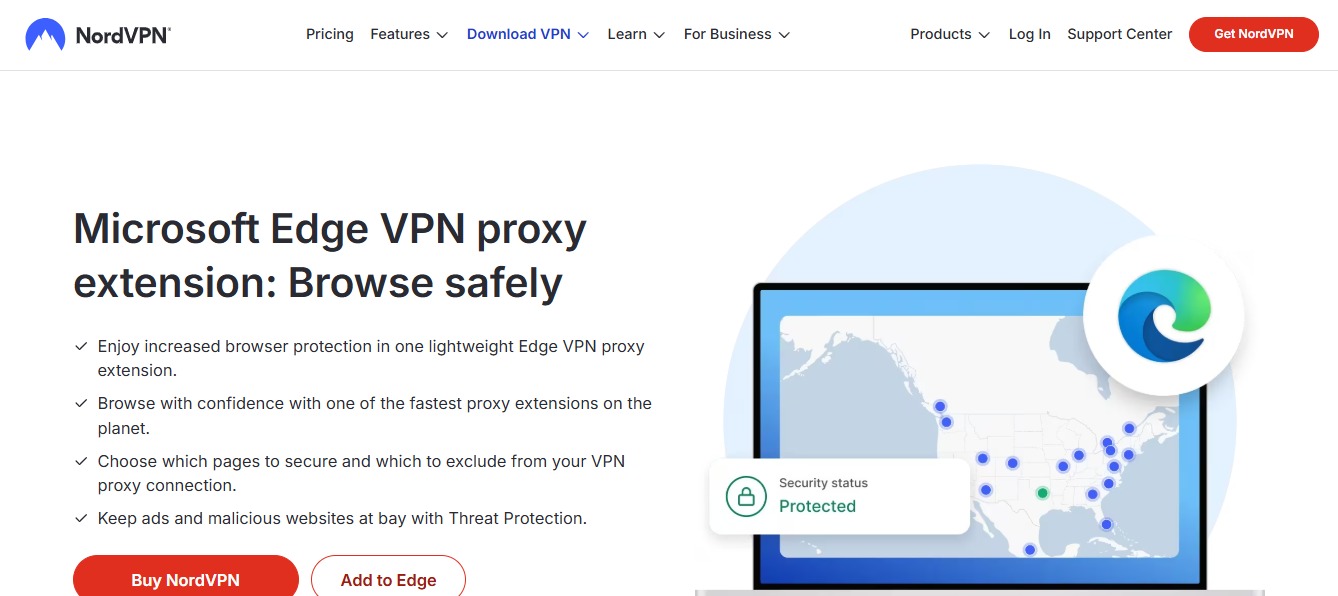
If you’re in a hurry to lock in a solid deal, consider this NordVPN option: It’s a reputable choice with a long-standing no-logs policy and solid browser extension support. Below you’ll find a curated, edge-focused setup and safety checklist, plus practical comparisons, so you can decide what fits your needs.
Useful resources you can consult later unlinked text
Edge VPN extensions support - support.microsoft.com
How to install extensions in Edge - support.microsoft.com/microsoft-edge/add-ons
NordVPN official site - nordvpn.com
ExpressVPN official site - expressvpn.com
ProtonVPN official site - protonvpn.com
WebRTC safety in browsers - en.wikipedia.org/wiki/WebRTC
VPN testing and leak tests - www.cloudflare.com/learning/dns/what-is-dns-over-https
Why Edge users often want a VPN
- Privacy on public Wi‑Fi: Public networks are convenient but risky. A VPN encrypts traffic between your device and the VPN server, reducing the chance of eavesdropping on sensitive data like passwords and banking details.
- Bypassing geo‑blocks for streaming: Some content providers restrict libraries by region. A VPN can help you appear as if you’re browsing from a permitted location.
- Protecting browser metadata: Even when you’re careful, advertisers and sites can track you through cookies and fingerprinting. A VPN, combined with Edge’s tracking prevention, adds a privacy layer.
- Avoiding censorship in tricky networks: If you’re in places with restricted access, a VPN can help you reach the open internet without exposing your activity to local filters.
Reality check: an Edge browser-only VPN extension protects browser traffic, not necessarily your entire device's traffic. If you want full-device protection, pair an Edge extension with a OS‑level VPN app or use a VPN-enabled router. We’ll cover the differences and what to expect in the next sections. Proton vpn edge extension 2026
Edge vs. browser extensions vs. system VPN: what works best?
- Browser extensions for Edge: These route only your browser traffic through the VPN server and are easy to enable from Edge Add-ons or compatible Chrome Web Store extensions. Pros: quick setup, low friction. Cons: not all traffic like apps or system background processes is protected. some extensions may leak DNS unless the VPN provider includes DNS leak protection.
- OS-level VPN clients: These encrypt all traffic on the device. Pros: full coverage, consistent protection across apps. Cons: more setup time and potentially more configuration work across devices.
- VPNs with split tunneling: Some services let you decide which apps or websites go through the VPN and which bypass it. This is useful if you want to access local content while protecting sensitive browsing.
Practical tip: if your goal is safe browsing in Edge and geo‑blocked streaming in the browser, a reliable Edge extension from a reputable provider is a solid start. If you also want apps on the device to be protected, add the provider’s OS client. If you travel with a Windows PC, you’ll likely want both.
How to install a VPN extension in Edge step-by-step
- Pick a reputable VPN service with a browser extension that supports Edge NordVPN, ExpressVPN, Surfshark, ProtonVPN, and Windscribe are common choices.
- Open Edge and go to the Extensions menu three dots > Extensions or Edge Add-ons store.
- Search for the VPN extension by name for example, NordVPN or Surfshark. If it’s not in the Edge store, you can usually install a Chrome Web Store version via Edge, since Edge is Chromium-based.
- Click Add to Edge, then confirm the installation.
- Sign in with your VPN account credentials. Some extensions may offer a free trial or a quick connect option.
- Enable necessary permissions location, notifications. Most modern VPN extensions only use location for server suggestions. you can usually deny anything you don’t need.
- Choose a server location and turn on the extension. Some extensions offer a “kill switch” and DNS leak protection—enable these if available.
- Verify protection: visit an IP check site and confirm your apparent location matches the server location, not your actual IP. Also run a WebRTC leak test to ensure WebRTC isn’t revealing your IP.
Edge-friendly tips:
- Use the extension’s auto-connect feature to connect to a server whenever you open Edge and connect to a new network.
- If you’re on Windows 10/11, you can also configure the OS VPN in Settings > Network & Internet > VPN for overall device coverage, then use the browser extension for convenience.
Recommended VPN extensions for Edge
- NordVPN: Strong privacy policy, large server network, good browser extension experience, reliable leak protection.
- ExpressVPN: Known for speed and reliability, strong apps, good browser integration, includes a robust kill switch.
- Surfshark: Budget-friendly, solid performance, unlimited device connections, clean browser extension.
- ProtonVPN: Privacy‑focused, transparent policies, often good on privacy‑centric setups, browser extension is straightforward.
- Windscribe: Flexible plan options, good free tier for basic testing, browser-friendly.
What to look for in an Edge extension:
- DNS leak protection and a kill switch even in browser mode to avoid exposing IP if VPN drops.
- Notifications and UI that are easy to use from the Edge toolbar.
- A straightforward way to pick servers, ideally with performance indicators.
- No‑logs or strong privacy policy language. check independent audits or third‑party reviews if available.
- Regular updates and good compatibility with Edge updates.
How to test and verify Edge VPN protection
- IP check: before and after connecting, verify that your public IP and location change as expected on an IP check site for example, a browser-based tool or service. If it doesn’t, recheck the extension settings or try a different server.
- DNS leak test: visit a DNS leak test site to ensure your DNS queries are being resolved by the VPN’s DNS servers and not by your ISP or local network.
- WebRTC test: ensure your real IP isn’t exposed via WebRTC. Some VPNs block this in their extension, or you can disable WebRTC in Edge if possible.
- Streaming checks: try loading a geo‑blocked video library and confirm you can access it from your chosen server location. If the library detects a proxy or VPN, switch servers or contact support.
- Speed tests: run a baseline speed test without VPN and compare to VPN-assisted results. Expect some speed loss due to encryption and routing, typically 10-40% depending on server distance and network conditions.
Pro tip: always use a server that’s geographically close to you for the best balance of speed and privacy. If you’re testing Netflix or other streaming services, pick a country that the provider reliably serves from that region.
Common issues and fixes when using a VPN with Edge
- VPN not connecting: check your account status, ensure the extension is enabled, try a different server, and confirm your internet connection is working without the VPN.
- WebRTC IP leak: disable WebRTC in Edge or rely on VPN settings that block WebRTC leaks. Some extensions offer WebRTC protection. if not, use a browser tweak or extension that blocks it.
- DNS leaks: enable DNS leak protection in the extension. If you still see leaks, switch to a different DNS server within the VPN app or extension.
- Slow speeds: connect to a nearby server, switch to a less congested time slot, or try a different protocol if the extension supports multiple protocols e.g., OpenVPN, WireGuard/UDP.
- IP blocks by websites: some sites actively block VPN IPs. Switch servers or contact support to get recommended servers for streaming or access.
Security notes: Proton vpn google extension 2026
- Free VPNs can be risky. If you’re serious about privacy, choose a reputable paid service with a transparent privacy policy and independent audits.
- Consider enabling a true kill switch to prevent data leakage if the VPN connection drops.
- Combine Edge’s privacy features tracking prevention with a VPN for layered protection.
Edge browser privacy features you should know
- Tracking Prevention TP: Edge offers multiple levels of tracking prevention. Set it to balanced or strict depending on your browsing style.
- InPrivate browsing: Use InPrivate windows for sessions you want to keep separate from your regular browsing. The VPN extension can still be active there.
- Security isolation and sandboxing: Edge uses advanced security measures to isolate processes, which adds an extra layer of safety.
- Do Not Track and cookie controls: While not a guarantee, sending Do Not Track headers and managing cookies helps reduce profiling.
Tip: When you turn on a VPN extension, combine it with Edge’s tracking prevention and private browsing features for maximum privacy in the browser.
How to choose the right VPN for Edge: practical checklist
- Browser compatibility: the provider should have a well‑supported Edge extension or Chrome Web Store extension that works in Edge.
- Privacy policy: look for clear no-logs language and independent audits if possible.
- Speed and reliability: read third‑party tests to see how the provider performs on Edge-connected servers.
- Server variety: more servers mean more options for bypassing geo‑blocks and avoiding congestion.
- Security features: kill switch, DNS leak protection, WebRTC leak protection, and strong encryption.
- Streaming and P2P support: if you plan to stream or share files, verify that the service supports those activities in your region and on your Edge extension.
- Customer support: accessible, timely support helps when you’re troubleshooting Edge-specific issues.
- Price and value: compare plans, including discounts for longer terms. don’t overlook student or multi‑device plans if you need Edge on multiple devices.
Edge-specific take: prioritize providers with proven Edge extension quality and a robust Windows client, so you can keep Edge protected even when you switch to other apps or games.
Edge-specific tips for better performance and privacy
- Use split tunneling if you only need Edge traffic to go through the VPN while leaving background apps on the local network. this can help with gaming or large downloads.
- Disable unnecessary extensions that may interfere with VPN traffic or consume extra CPU when Edge runs.
- Regularly update Edge and the VPN extension to keep security patches current.
- Consider a dedicated Edge profile for private browsing with a VPN extension, so you don’t mix tracking data with your main browsing profile.
- If you frequently travel or work remotely, set up a consistent server location to minimize DNS churn and improve stability.
- Test multiple servers within your chosen country to find the best performance balance for your location.
Use cases: practical scenarios with Edge VPN
- Streaming from another country: choose a server location known to work with the streaming service you want and test until you hit a reliable one.
- Public Wi‑Fi protection: when you’re in coffee shops or airports, Edge VPN extensions help shield browser data during checkout or login processes.
- Private browsing for sensitive searches: pair Edge’s privacy features with a VPN to add a layer of anonymity for sensitive topics.
- Remote work on a corporate intranet: a VPN can provide a secure connection path to internal resources accessed via Edge.
Frequently asked questions
How do I know if my Edge VPN extension is actually protecting me?
You should see a VPN icon in Edge’s toolbar, the server location displayed in the extension, and a change in your public IP on an IP-check site. Run a quick WebRTC leak test to confirm your real IP is not leaking.
Can I use a VPN with Edge only, without affecting other apps?
Yes. Use a browser extension to route only Edge traffic through the VPN. For system-wide protection, install the provider’s OS client and configure split tunneling accordingly.
Do I need a VPN if I already use HTTPS sites?
VPNs add an encryption layer for data in transit and hide your IP address from the websites you visit. HTTPS protects data in transit too, but a VPN also prevents your ISP and local network from seeing which sites you access at a high level and can shield you on untrusted networks. One click vpn server setup and guide to instant privacy and access with seamless one-click connections 2026
Are VPNs legal in my country?
Most places allow VPN use for legitimate purposes. Some jurisdictions restrict or monitor VPN traffic. Check local laws before using a VPN, especially if you’re traveling.
Will a VPN slow down Edge browsing?
Expect some speed reduction due to encryption and server routing. A good VPN provider with nearby servers typically preserves most of your baseline speed. If you notice a big drop, switch to a nearby server or try a different protocol offered by the extension.
Is there a difference between Edge extensions and OS VPN apps?
Edge extensions protect only browser traffic, while OS VPN apps encrypt all traffic on the device. For comprehensive protection, use both: a solid Edge extension for browser privacy and an OS VPN for device-wide security.
Can I use a free VPN with Edge?
Free VPNs exist, but they often have data limits, slower speeds, and less trustworthy privacy policies. If privacy matters, invest in a reputable paid service with a transparent policy.
How do I avoid DNS leaks with Edge VPN extensions?
Enable DNS leak protection in the extension and, if possible, use the VPN’s DNS servers. You can also disable any edge features that might override DNS settings. Rail edge vpn setup and comparison guide for secure browsing, streaming, and private data protection 2026
What should I do if a streaming site detects my VPN?
Change to another server or contact support for recommendations. Some services actively block VPN IPs. reputable providers keep rotating IPs to minimize blocks.
Can I use multiple VPNs in Edge?
In practice, you should avoid running two VPNs simultaneously in the same browser, as it can cause conflicts. Use one reputable VPN extension at a time and rely on the OS VPN if you need another layer.
Resources and references
- Edge VPN extensions support - support.microsoft.com
- How to install extensions in Edge - support.microsoft.com/microsoft-edge/add-ons
- NordVPN official site - nordvpn.com
- ExpressVPN official site - expressvpn.com
- ProtonVPN official site - protonvpn.com
- WebRTC safety in browsers - en.wikipedia.org/wiki/WebRTC
- VPN testing and leak tests - www.cloudflare.com/learning/dns/what-is-dns-over-https
四叶草vpn电脑版使用指南与评测:功能、测速、设置与常见问题