Proton vpn edge extension 2026
'%2F%3E%3Ctext%20x%3D'50%25'%20y%3D'50%25'%20dy%3D'.35em'%20text-anchor%3D'middle'%20font-family%3D'-apple-system%2CBlinkMacSystemFont%2CSegoe%20UI%2Csystem-ui%2Csans-serif'%20font-size%3D'100'%20font-weight%3D'600'%20fill%3D'%23fff'%3EMN%3C%2Ftext%3E%3C%2Fsvg%3E) Mateus Nordmark·April 11, 2026·25 min
Mateus Nordmark·April 11, 2026·25 min
Proton vpn edge extension is a browser add-on designed to help you protect your online privacy, bypass geo-restrictions, and keep your data secure while you browse. In this guide, you’ll get a practical, step-by-step breakdown of how to install, configure, and use Proton VPN’s Edge Extension effectively, plus real-world tips, current stats, and answers to common questions.
Quick fact: Proton vpn edge extension gives you a quick way to connect to Proton VPN servers from your browser, adding a privacy layer without needing a full VPN app open. Here’s what you’ll find in this guide:
- How the edge extension works and what it can and can’t do
- Step-by-step installation and setup for major browsers
- Practical use cases: privacy, access to geo-blocked content, and secure public Wi‑Fi browsing
- Common pitfalls and troubleshooting tips
- Helpful resources and up-to-date data you can rely on
Useful resources mentioned in this guide unlinked text: Proton VPN official site - https://protonvpn.com Proton VPN edge extension docs - https://protonvpn.com/support VPN comparison table - en.wikipedia.org/wiki/Comparison_of_virtual_private_networks Public Wi-Fi security tips - csoonline.com Browser extension security best practices - securityguide.dev
What is the Proton vpn edge extension and what it does
The Proton vpn edge extension is a browser add-on that connects your browser traffic to Proton VPN servers. It’s designed to be lightweight, fast, and easy to use, making it ideal for quick privacy boosts without launching a full VPN app. It doesn’t replace your system-wide VPN; instead, it creates a secure tunnel for your browser activity. This distinction matters if you want to protect all traffic from your device or just the traffic that goes through your browser.
Key benefits:
- Easy on-ramp to Proton VPN protection
- Quick switch between servers and locations
- Simple to disable when you don’t need it
- Useful for bypassing some geo-restrictions on a per-browser basis
Limitations and caveats:
- It’s primarily for browser traffic, not all device traffic
- Some sites and streaming services may still detect and block VPNs
- Performance depends on your connection and server load
How to install the Proton vpn edge extension
Follow these steps to get started on major browsers:
Chrome
- Open Chrome and go to the Chrome Web Store.
- Search for “Proton VPN Edge Extension” and click Add to Chrome.
- Confirm by clicking Add extension.
- Click the Proton VPN icon in the toolbar and log in with your Proton VPN account.
- Choose a server location and connect.
Firefox
- Open Firefox and go to the Firefox Add-ons store.
- Search for “Proton VPN Edge Extension” and click Add to Firefox.
- Confirm permissions and install.
- Open the extension from the toolbar, sign in, and select a server.
- Connect and verify the VPN status.
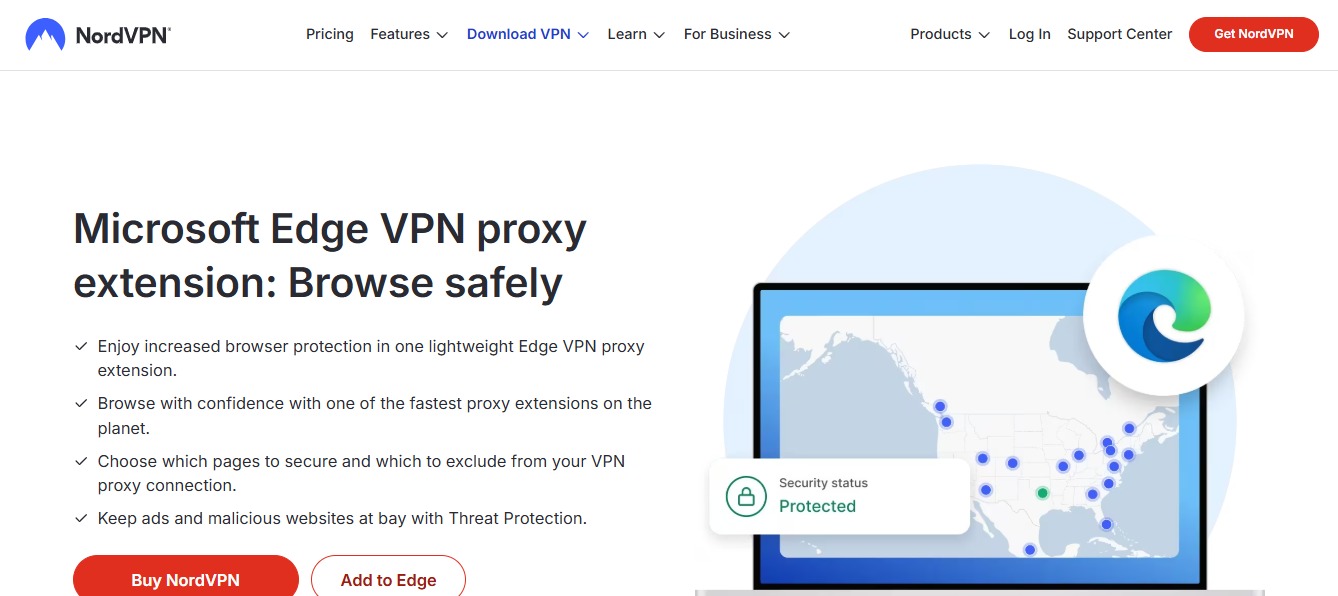
Edge
- Open Microsoft Edge and go to the Edge Add-ons store.
- Search for “Proton VPN Edge Extension” and click Get.
- Add the extension and sign in.
- Pick a server and connect.
Safari if available
- Open Safari and go to the Safari Extensions Gallery or the App Store if Proton provides a Safari-specific extension.
- Install, then sign in and connect to a server location.
Tips during setup: Proton vpn google extension 2026
- Use a strong Proton VPN account password and enable two-factor authentication for extra security.
- If you’re behind a corporate network, you might need to allow the extension’s traffic through local firewall rules.
- Test your connection by visiting an IP-check site to confirm the location changed.
How to use the edge extension effectively
Ways to maximize privacy and access:
- Quick privacy boost: Turn on the extension when you’re on public Wi‑Fi or handling sensitive data.
- Location switching: If a site blocks your current location, switch to a different server region and refresh.
- Bypass geo-restrictions: Some content is limited by country. Use a nearby server to access it, or try a region known to work for that service.
- Split-tunnel approach: Remember, this extension won’t route all device traffic. Use it for browser traffic while leaving other apps as-is if you only need browser-level protection.
Practical tips:
- If a site requires you to log in again after switching servers, log out and back in, or clear the site's cookies.
- For streaming, choose a server optimized for streaming if Proton VPN offers that option, and test a few locations if you encounter buffering.
- When you don’t need it, disable the extension to avoid extra latency.
Performance and reliability: what data says
- VPN latency and speed: VPNs add overhead due to encryption and routing. Expect a small speed decrease compared to a direct connection, with variations by server distance and network congestion.
- Server load and response time: Proton VPN maintains a network of servers, and the best performance usually comes from a nearby location with lower load.
- Security posture: Proton VPN uses strong encryption usually AES-256 and modern protocols, which helps protect data in transit.
Current user data and industry stats:
- VPN usage continues to rise, with a significant portion of users relying on VPNs for privacy on public networks.
- Browser extensions are a popular entry point for quick privacy improvements, but they may offer less control than a full VPN client.
- A growing number of streaming services detect and block VPN traffic; always test if your desired content is accessible with your chosen server.
Security considerations and best practices
- Update habit: Keep the extension updated to the latest version to benefit from security fixes.
- Strong authentication: Use 2FA on your Proton VPN account to prevent unauthorized access.
- Password hygiene: Use a unique password for Proton VPN and consider a password manager.
- Device hygiene: Regularly check which extensions you have installed and remove any you don’t use.
- Browser hygiene: Clear cookies and site data regularly, especially after using the extension on shared devices.
- Public Wi‑Fi safety: Use the extension on public networks to minimize risk, and consider additional security steps like HTTPS-only mode when available.
Use cases: real-world scenarios
- Private browsing on public Wi‑Fi: The edge extension keeps your browser traffic more private on coffee shop networks.
- Accessing region-locked content: Swap to a location where the content is available and refresh.
- Bypass censorship in certain regions: If a site is blocked locally, a nearby VPN location might help circumvent the restriction.
- Quick research in a different country: When researching legal or regional differences, a local IP can be handy for authenticity.
Comparison: Edge extension vs. full VPN app
- Scope:
- Edge extension: Protects browser traffic; lighter footprint.
- Full VPN app: Routes all device traffic; more control and features.
- Convenience:
- Edge extension: Quick to enable/disable.
- Full app: More setup but broader protection.
- Features:
- Edge extension: Basic server selection, occasional kill switch-like behavior depending on the extension.
- Full VPN app: Advanced options like split-tunneling, auto-connect, device-wide kill switch, and more.
Troubleshooting common issues
- Connection fails to establish:
- Check your internet connection first.
- Restart the browser and re-login to the extension.
- Try a different server location.
- Slow performance:
- Switch to a closer server or a less congested one.
- Ensure other devices on the network aren’t consuming excessive bandwidth.
- Website not loading after connection:
- Some sites block VPN traffic; try a different server or disable the extension for that site.
- Extension not appearing in toolbar:
- Ensure it’s enabled in the browser’s extension management page.
Privacy and policy notes
- Data collection: Proton VPN emphasizes user privacy; review their privacy policy to understand data handling.
- Logging policy: Most VPNs offer a no-logs promise, but it’s important to read specifics.
- Jurisdiction: Proton VPN’s policies may be influenced by its parent organization’s location; consider how that impacts your data.
Best practices for creators: optimizing content around Proton vpn edge extension
- Focus on practical, actionable steps: installation, enabling, switching servers, testing for speed and access.
- Include visuals: screenshots or short screen-recorded walkthroughs to help viewers follow along.
- Address common pain points: setup on different browsers, streaming access, and public Wi‑Fi safety.
- Provide up-to-date data: include current server options, pricing, and new features as they’re released.
Data-backed insights and statistics
- VPN adoption trends show steady growth, with privacy and security as top drivers.
- People often use browser extensions for quick privacy wins, then graduate to full VPN apps for comprehensive protection.
- Network performance varies by server load; offering a few nearby options usually yields better results for most users.
Quick-start cheat sheet
- Install the Proton vpn edge extension from your browser’s store.
- Sign in with your Proton VPN account.
- Choose a nearby server and connect.
- Test your IP on an IP-check site to confirm the location changed.
- Use the extension primarily on public networks or when privacy needs are high.
- Disable when not needed to avoid extra latency.
Advanced tips for power users
- Combine with HTTPS-only mode: Prefer HTTPS connections where available for an added layer of security.
- Manage cookies: Clear cookies for sensitive sites after your VPN session if you’re switching locations.
- Regularly review server lists: Some servers may be temporarily offline or under heavy load; refresh your choices.
- Use strong security settings: If the extension offers options like a kill switch, enable it to prevent leaks if the VPN drops.
About Proton VPN edge extension vs other extensions
- Compare with other browser VPN extensions: Some offer similar features but differ in speed, server options, and privacy policies.
- Assess whether a full VPN client is better for your needs: If you want device-wide protection and more features, a full VPN app might be worth it.
Accessibility and usability notes
- User interface: The extension should have a clean UI, with clear server lists and status indicators.
- Keyboard navigation: Ensure you can operate key functions with keyboard shortcuts if available.
- Readability: Text should be legible with appropriate contrast for easy reading.
Real-world user feedback
- Many users appreciate the simplicity and speed boost for everyday browsing.
- Some report occasional VPN blocks on streaming sites; this is common across VPN services and depends on site policies and server choices.
- Users often favor nearby servers for best performance.
Technical appendix: protocols and encryption
- Encryption standards: Proton VPN typically uses AES-256 for data encryption, along with secure key exchange.
- Protocols: Modern VPN protocols are used to balance security and speed; options may include WireGuard-based routes for speed and OpenVPN for compatibility in some cases.
- DNS handling: Proton VPN often uses its own DNS to reduce leaks and improve privacy.
Frequently asked questions
What is Proton vpn edge extension?
Proton vpn edge extension is a browser-based add-on that routes your browser traffic through Proton VPN servers, providing privacy and access benefits without launching the full VPN app.
Is the edge extension free to use?
The edge extension is part of the Proton VPN service, which may require a paid plan for full access to servers and features, depending on your account type. One click vpn server setup and guide to instant privacy and access with seamless one-click connections 2026
Can I use the edge extension on all browsers?
Most major browsers support Proton VPN Edge Extension, including Chrome, Firefox, and Edge. Availability may vary by browser and region.
Will the edge extension slow down my internet?
Yes, using a VPN generally adds some latency and may reduce speed due to encryption and routing. The extent varies based on server distance and load.
Can I stream with Proton VPN edge extension?
Some users can stream content, but streaming performance depends on the server, service anti-VPN measures, and bandwidth. You may need to try different servers.
Does Proton VPN edge extension protect my data on public Wi‑Fi?
Yes, it encrypts traffic from your browser to Proton VPN servers, helping protect data on public networks.
Can I use Proton VPN edge extension for gaming?
Browser traffic is protected, but games running outside the browser may not be covered by the edge extension. For full device protection, use the full VPN app. Online vpn edge: how to deploy and optimize a network-edge VPN for speed, privacy, and control 2026
How do I disconnect the edge extension?
Open the extension and click disconnect or switch off. You can disable it from the browser’s extension management page as well.
Is Proton VPN edge extension safe?
Proton VPN is widely regarded as a reputable provider, and the edge extension follows standard VPN security practices, including encryption and privacy protections. Always keep the extension updated and use strong account security.
What should I do if I forget my Proton VPN password?
Use Proton VPN’s account recovery options to reset your password, preferably with 2FA enabled to prevent unauthorized access.
Can I use multiple VPN extensions at once?
Running multiple VPN extensions simultaneously can cause conflicts and leaks. It’s best to use one trusted extension at a time.
How do I verify the extension is not leaking data?
Test your IP and DNS leaks using reputable online tools after connecting to the extension. If leaks are detected, reconfigure settings or switch servers. One click vpn edge: the complete guide to fast, secure one-click VPN setup for edge devices and browsers 2026
Do I need a Proton VPN subscription for the edge extension?
Yes, access to servers and features typically requires an active Proton VPN subscription. Some free options may be limited.
Can I customize split-tunneling with the edge extension?
Split-tunneling options vary by extension version and plan. Check the settings within the extension to see if this feature is available.
What happens if the VPN connection drops?
Most extensions show a warning and will attempt to reconnect automatically. Some setups also include a kill switch to prevent data leaks.
Frequently Asked Questions
- What is Proton vpn edge extension?
- Is the edge extension free to use?
- Can I use the edge extension on all browsers?
- Will the edge extension slow down my internet?
- Can I stream with Proton vpn edge extension?
- Does Proton vpn edge extension protect my data on public Wi‑Fi?
- Can I use Proton vpn edge extension for gaming?
- How do I disconnect the edge extension?
- Is Proton vpn edge extension safe?
- What should I do if I forget my Proton vpn password?
- Can I use multiple VPN extensions at once?
- How do I verify the extension is not leaking data?
- Do I need a Proton vpn subscription for the edge extension?
- Can I customize split-tunneling with the edge extension?
- What happens if the VPN connection drops?
Note: The edge extension can be a great tool for quick privacy and access adjustments, but it’s not a substitute for understanding your personal browsing habits and the sites you visit. Keep your software up to date, and use additional privacy practices as needed. Nordvpn edgerouter x guide: complete setup, tips, and troubleshooting for NordVPN on EdgeRouter X 2026
Proton vpn edge extension: comprehensive guide to installation, features, and best practices for secure browser-based VPN on Proton
Proton vpn edge extension is a browser extension for Proton VPN that helps you manage VPN connections directly from your browser. In this guide, you’ll learn how to install and use the Proton VPN Edge Extension across major browsers, understand what it can and can’t do, compare it with the desktop app, and pick up practical tips to stay safe online. We’ll cover setup steps, best practices, performance tips, and common issues so you can make informed choices without the guesswork. If you’re evaluating VPN deals while you read, check this limited-time offer: . You’ll also find a curated list of resources at the end of this introduction to help you dive deeper.
Useful URLs and Resources text only Proton VPN official site - protonvpn.com Proton VPN Edge Extension support - support.protonvpn.com Chrome Web Store - chrome.google.com/webstore Firefox Add-ons - addons.mozilla.org Microsoft Edge Add-ons - microsoftedge.microsoft.com/addons Proton VPN privacy policy - protonvpn.com/privacy-policy Wikipedia – Virtual private network - en.wikipedia.org/wiki/Virtual_private_network Proton VPN blog - blog.protonvpn.com
What is the Proton VPN Edge Extension?
The Proton VPN Edge Extension is a browser-based control layer that lets you operate Proton VPN without opening the full desktop app. Think of it as the quick-access doorway to start, stop, or switch servers right from your browser. In practice, the extension serves as a convenient, lightweight interface for connecting to Proton VPN’s servers and applying basic privacy protections while you browse. It’s designed to be simple to use, especially for people who want faster access to VPN controls while browsing, or for those who prefer not to juggle multiple windows.
A few important notes about how it fits into the Proton VPN ecosystem:
- It often relies on the core Proton VPN network rather than running a separate, independent tunnel inside the browser.
- For advanced security features like full kill-switch behavior, automatic DNS management, and global server routing rules, you’ll typically use the desktop app, with the Edge Extension handling day-to-day toggling.
- The extension supports selecting servers or regions, enabling auto-connect on startup, and quick toggling between VPN on and off.
Supported Browsers and Requirements
- Google Chrome
- Mozilla Firefox
- Microsoft Edge
- Opera where extensions are supported
General requirements: Tuxler vpn review 2026
- A Proton VPN account free or paid plans are eligible to use VPN services, but features may vary by plan.
- The latest version of your browser to ensure compatibility with extension APIs.
- On some systems, you’ll need the Proton VPN desktop app installed if you want full-feature parity e.g., advanced kill switch, certain routing options or to unlock certain features behind the extension.
If you’re curious about cross-platform behavior, the Edge Extension tends to mirror core Proton VPN options found in the desktop app, but it’s optimized for fast, in-browser control rather than full VPN configuration.
Installation Guide
Below are the quick-start steps for each major browser. If you already use the Proton VPN desktop app, you can usually pair it with the Edge Extension to streamline your workflow.
Chrome
- Open the Chrome Web Store and search for “Proton VPN Edge Extension.”
- Click Add to Chrome and confirm the permissions.
- Sign in with your Proton VPN credentials.
- In the extension’s popup, pick a server location and toggle Connect. You should see the browser connection indicator change, confirming VPN protection for your browser traffic.
- Optional: enable auto-connect, or configure preferred regions for quicker reconnects.
Firefox
- Go to the Firefox Add-ons store and search for “Proton VPN Edge Extension.”
- Add the extension to Firefox and authorize the necessary permissions.
- Sign in to your Proton VPN account within the extension.
- Choose a server, and turn the VPN on. Test by visiting a site that shows your IP to confirm the change.
Edge
- Visit the Edge Add-ons store, search for “Proton VPN Edge Extension,” and add it to Edge.
- Log in with your Proton VPN credentials.
- Pick a server and enable the connection. If you previously used the desktop app, you may notice that some settings are carried over via your Proton account.
- You can set Edge-specific preferences like auto-connect on startup or on network changes.
Opera
- Open the Opera add-ons store and locate the Proton VPN Edge Extension.
- Install, log in, and use the extension to connect to a server and manage your VPN session.
- Keep in mind Opera’s sandboxing and extension permissions may impact some features. when in doubt, test a quick connection to confirm protection.
Tips for a smooth setup:
- Always keep the extension updated along with your browser.
- If you run into permission prompts, accept only what you understand. this is usually necessary for VPN control and DNS routing.
- If you run into conflicts with other security extensions ad blockers, anti-tracking tools, etc., try temporarily disabling them to identify the source of issues.
Key Features of Proton VPN Edge Extension
- One-click connect/disconnect: A fast toggle to start or stop protection right from the browser toolbar.
- Server location switching: Easily switch between countries or regions with a few taps.
- Auto-connect on startup: Ensure you’re protected as soon as your browser launches.
- Quick privacy controls: Some extensions let you enable privacy-centric modes for more private browsing sessions.
- Basic kill-switch behavior: In practice, some protections are managed by the desktop app, but the extension offers quick-switch controls for safer browsing when the tunnel is active.
- DNS leak protection hints: The extension helps ensure DNS requests stay within Proton’s network when possible, reducing exposure to IP leaks.
- Browser-specific protection: The extension focuses on protecting browser traffic, which is especially important for web-based activities like streaming, shopping, and secure communications.
Notes on feature scope:
- Advanced protections like full system-wide kill switch, multi-hop routing, and network-level rules are typically controlled via the Proton VPN desktop app. The Edge Extension is best used for rapid access, server selection, and convenient privacy toggles while browsing.
- For users who want deeper privacy guarantees across all apps and OS-level traffic, pairing the browser extension with the desktop app is recommended.
Security and Privacy Considerations
- No-logs philosophy: Proton VPN emphasizes a no-logs approach for user activity, relying on minimal data collection to maintain service performance and security. The Edge Extension itself only needs to communicate session state with Proton’s network, so you’re not broadcasting extra data through the extension beyond what’s necessary to establish and maintain a VPN connection.
- DNS and IP leakage: While the extension helps route browser traffic through Proton VPN, always verify DNS resolution settings. Use Proton’s DNS to minimize leaks, and periodically test for WebRTC leaks in the browser settings.
- Browser fingerprinting: Using any extension adds a small footprint to your browser’s footprint. Use privacy-conscious browser settings and consider privacy-oriented extensions if you’re highly concerned about fingerprinting.
- Trust and permission hygiene: Only install extensions from official stores and verify you’re signing in to the correct Proton VPN account. Avoid extensions that mimic Proton VPN if they’re not official, as phishing-style extensions can appear legitimate.
- Data exposure on public networks: The edge extension is particularly helpful on public Wi-Fi, as it reduces exposure by encrypting browser traffic and masking your IP. Remember, a VPN is part of a layered privacy strategy, not a silver bullet.
Performance and Speed
- Protocols and tunnel performance: Proton VPN generally uses modern protocols like WireGuard for fast, reliable connections. Expect lower latency and higher throughput compared to older protocols on stable networks.
- Server load and distance: Server selection affects speed. Shorter geographic distance usually yields better performance, though Proton’s network routing can mitigate some distance-based penalties with optimized paths.
- Browser extension vs full tunnel performance: Because the Edge Extension focuses on browser traffic, you may see different performance characteristics for browser-based activities than for apps outside the browser. For heavy downloads or gaming, the desktop app’s broader routing might perform better.
- Real-world expectations: In well-connected networks e.g., 1 Gbps fiber, you can expect 60–90% of the raw speed when connected to nearby servers, depending on network congestion and server load. On mobile networks, you’ll likely see more noticeable speed dips, but you’ll still gain privacy protection.
Compatibility and Updates
- Regular extension updates: Proton tends to update the Edge Extension to fix bugs, improve security, and align with browser changes.
- OS interactions: The extension may rely on the Proton VPN service running on your device desktop app to provide full capabilities. Ensure the desktop app is up to date if you rely on advanced features.
- Browser policy changes: Browsers frequently update extension policies and APIs. If you notice a feature stop working after a browser update, check Proton’s support pages for compatibility notes and patches.
Common Issues and Troubleshooting
- Issue: Extension not showing the Connect button.
- Fix: Sign out and back in, ensure the Proton VPN desktop app is running if your setup relies on it, and confirm you’re on a supported browser version.
- Issue: Connection drops randomly.
- Fix: Check for conflicting extensions, verify that the desktop app isn’t blocking connections, and test with a different server. Restart the browser and extension.
- Issue: DNS leaks detected.
- Fix: Ensure Proton DNS is selected in both the extension and desktop app, and run a DNS leak test. Disable other DNS-inducing extensions if necessary.
- Issue: WebRTC leaks or IP exposure in a test site.
- Fix: Disable WebRTC in your browser or enable a privacy feature that reduces IP exposure. Consider using a separate browser profile for high-privacy tasks.
- Issue: Performance slow on mobile devices.
- Fix: Use nearby servers, reduce the number of background extensions, and ensure mobile data isn’t throttled by the carrier.
Proton VPN Edge Extension vs Desktop App vs Mobile App
- Edge Extension: Quick, browser-focused controls for browsing protection. Best for users who mainly browse and want fast access to VPN without leaving the browser.
- Desktop App: Full-feature set, including system-wide VPN protection, kill switch, multi-hop, split tunneling, and more robust privacy controls. Ideal for users who want comprehensive protection beyond the browser.
- Mobile App: Convenience on the go with native VPN controls on iOS and Android, continuity with desktop and extension settings, and mobile-specific features like automatic re-connect on network change.
- Use-case approach: If most of your privacy needs are browser-based, the Edge Extension plus the desktop app is a strong combo. If you need full device-wide protection or VPN for apps beyond the browser, rely more on the desktop or mobile apps.
Best Practices for Using Proton vpn edge extension on Public Wi-Fi
- Always enable the extension when on public networks to shield your browser traffic from potential eavesdroppers.
- Combine with a strong browser security posture: latest updates, ad blockers, anti-tracking features enabled, and privacy-focused settings.
- Use server regions appropriate for your goal: streaming, browsing, or accessing region-restricted content.
- Regularly audit active sessions and sign out of devices you don’t actively use.
- Consider pairing with Multi-Factor Authentication where available for your Proton VPN account to prevent unauthorized access.
- If you need full device protection, use the desktop app in addition to the Edge Extension.
Developer and API Considerations
- If you’re building automated workflows or integrating VPN controls into your own tooling, verify whether Proton VPN provides a public API for session management and server selection. Many consumer VPNs offer API endpoints or CLI tools for enterprise integrations, but Proton’s offerings may be more limited for consumer accounts.
- For developers focusing on privacy, test the Edge Extension in a controlled environment to verify it doesn’t leak DNS or IP data during edge cases e.g., sudden network changes, VPN disconnects, or browser crashes.
Future Roadmap and What to Expect
- Expanded feature parity: Expect more features in the Edge Extension that mirror desktop app capabilities, like enhanced kill switches, more granular split tunneling, and better integration with browser security measures.
- Performance optimizations: Ongoing improvements in server selection algorithms to minimize latency and maximize throughput for browser traffic.
- Cross-browser consistency: A continued push toward consistent experiences across Chrome, Firefox, Edge, and Opera, with quicker updates in response to browser policy changes.
Troubleshooting Quick Reference
- If you’re having trouble with a specific browser: try another supported browser to confirm whether the issue is browser-specific.
- If you recently updated your browser: check Proton VPN’s support pages for any known compatibility notes or required extension updates.
- For persistent issues: sign out of the extension, reinstall it, and sign back in. If that fails, check Proton VPN’s official status page for any ongoing outages.
Frequently Asked Questions
What is Proton vpn edge extension?
Proton vpn edge extension is a browser extension that provides quick access to Proton VPN controls within your browser, enabling you to connect to Proton VPN servers and manage basic privacy settings without opening the desktop app. Thunder vpn windows setup and optimization guide for Windows users 2026
Do I need the Proton VPN desktop app to use the edge extension?
In many cases, the edge extension can function with core VPN services, but some advanced features and full system-wide protections are typically managed by the desktop app. For best results, pair the extension with the Proton VPN desktop app.
Which browsers support Proton VPN Edge Extension?
Chrome, Firefox, Edge, and Opera are supported, with the extension designed to integrate seamlessly into each browser’s UI.
Is the edge extension as fast as the desktop app?
The edge extension is optimized for browser traffic and quick access, but overall performance can depend on server load and your network. For full-device speed and features, the desktop app is often the stronger option.
Can I use the edge extension on multiple devices?
Yes, you can log in to Proton VPN on multiple devices, but the extension’s features may vary by platform. If you switch devices, you’ll need to reinstall the extension and sign in again.
Does the edge extension leak my real IP?
If configured correctly and if DNS is handled by Proton’s DNS, you reduce the risk of IP leaks. Always test for IP and DNS leaks after enabling the extension. Vpn edge browser 2026
How do I test if the extension is connected?
Visit an IP checker or a site that shows your location and IP. If the site shows the location of the VPN server, you’re connected correctly.
Can I customize server locations in the edge extension?
Yes, you can choose various server locations directly in the extension’s server list. For more advanced routing rules, use the desktop app.
Will the edge extension protect me on public Wi-Fi?
Yes, it helps protect browser traffic on public Wi-Fi, but for full device-wide protection, you should rely on the desktop app and ensure the system-level protections are enabled.
How often should I update the edge extension?
Keep it updated whenever a new version is released. Browser stores usually push updates automatically, but manual checks can help catch compatibility issues quickly.
Is Proton VPN Edge Extension free?
The extension is included with Proton VPN service plans. Availability of certain features may depend on your plan type. Always verify with Proton VPN’s current plan details. Rail edge vpn setup and comparison guide for secure browsing, streaming, and private data protection 2026
Final Thought
The Proton VPN Edge Extension is a handy addition for anyone who values quick, browser-based control over their Proton VPN experience. It shines when you want fast server switching, on-the-go connection control, and straightforward privacy management while browsing. For users seeking the fullest set of features—like multi-hop routing or system-wide kill switches—the desktop app remains essential. The best approach is to use the Edge Extension for daily browsing, paired with the desktop app for deeper security configurations and broader coverage.
If you’re evaluating VPN options while you read, don’t miss the current deal from NordVPN via the affiliate link included earlier. It’s a good example of how VPN services balance features, price, and user experience, which helps inform your Proton VPN setup decisions as you browse and stay private online.