Vpn extensions edge 2026
'%2F%3E%3Ctext%20x%3D'50%25'%20y%3D'50%25'%20dy%3D'.35em'%20text-anchor%3D'middle'%20font-family%3D'-apple-system%2CBlinkMacSystemFont%2CSegoe%20UI%2Csystem-ui%2Csans-serif'%20font-size%3D'100'%20font-weight%3D'600'%20fill%3D'%23fff'%3EMN%3C%2Ftext%3E%3C%2Fsvg%3E) Mateus Nordmark·April 11, 2026·27 min
Mateus Nordmark·April 11, 2026·27 min
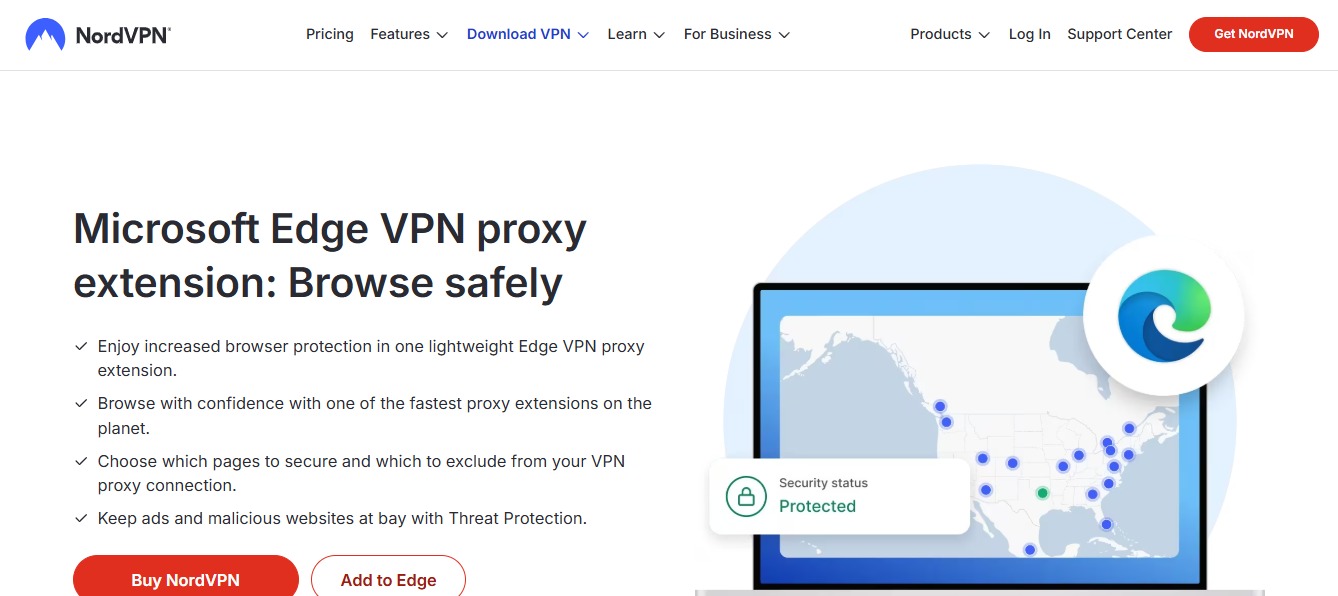
Vpn extensions edge: Quick fact: VPN extensions for Edge add encrypted tunnels and privacy features directly in your browser, letting you browse more securely without configuring a full VPN app.
Vpn extensions edge serve as your lightweight shield while you surf. If you’re looking for quick privacy wins, these extensions can mask your IP, block trackers, and bypass geo-restrictions with just a click. Here’s a compact guide to get you started and keep you safe online:
- Quick start: install a reputable Edge VPN extension, toggle it on, and pick a server location.
- Why it matters: public Wi‑Fi, streaming privacy, and protecting your personal data from trackers.
- What to expect: faster pages with fewer interruptions, but sometimes a slight latency depending on server distance.
- How to choose: look for no-logs policies, strong encryption, leak protection, and easy kill switch.
- Common formats: step-by-step install guide, pros/cons list, and a quick comparison table.
Useful URLs and Resources text only Apple Website - apple.com Artificial Intelligence Wikipedia - en.wikipedia.org/wiki/Artificial_intelligence NordVPN Extensions - nordvpn.com/extensions Microsoft Edge Extensions Gallery - microsoft.com Privacy Tools Catalog - privacytools.io IPLeak.net - iplocation.net/ipcheck Browser Privacy Guide - browserprivacy.org ENISA Threat Landscape - enisa.europa.eu TLS 1.3 Resources - tls13.ulfheim.net Speed Test Servers - speedtest.net
What is a VPN extension for Microsoft Edge?
A VPN extension for Edge is a browser add-on that creates a secure, encrypted connection between your browser and a VPN server. It’s lighter than running a full VPN app on your device and focuses on encrypting browser traffic, masking your real IP address, and sometimes blocking ads or trackers.
- Pros: quick setup, less system resource use, easy to switch servers, can bypass some geo-restrictions for browser-based activity.
- Cons: may not cover all traffic on your device only browser traffic, depends on the extension’s own security practices, potential for leaks if not properly configured.
How VPN extensions edge differ from full VPN apps
- Scope: Edge extensions protect only the browser traffic, while full VPN apps route all device traffic.
- Performance: extensions can be faster for browser-based tasks, but a full VPN app might offer more stable protection for all apps.
- Features: extensions often include tracker blocking, split tunneling, and simple server switching; full VPNs boast mesh networks, kill switches at the system level, and device-wide protections.
- Privacy guarantees: trust matters—extensions rely on the provider’s policies and the extension’s code; full VPNs usually provide stricter policy disclosures and audits.
How to pick the right VPN extension edge
Choosing the right extension is a mix of security, speed, and ease of use. Here’s a practical checklist:
- Privacy policy and no-logs stance: read what data is collected and how it’s stored.
- Encryption standard: look for AES-256 with modern protocols like WireGuard or OpenVPN.
- Leak protection: DNS leaks, WebRTC leaks, and IPv6 leaks should be prevented.
- Kill switch: ensures traffic stops if the connection drops.
- Server options: a broad and strategically located server list helps with faster speeds and better access.
- Bandwidth and data limits: some free extensions restrict data usage or speed.
- Compatibility: confirm it works well with Edge, including on desktop and mobile if you plan multi-device use.
- User experience: simple connect/disconnect, clear server list, and easy status indicators.
Step-by-step: installing a VPN extension on Edge
- Open Edge and go to the extensions store.
- Search for a reputable VPN extension confirm publisher credibility and user reviews.
- Click Add to Edge and confirm permissions requested by the extension.
- Open the extension from the toolbar, sign in or start a free trial if required.
- Choose a server location and enable options like block trackers or malicious sites if available.
- Verify your IP change by visiting a site like iplocation.net or whatismyipaddress.com.
- If you’re worried about leaks, run a quick WebRTC and DNS leak test.
- When you’re done, turn the extension off to revert to your default browsing.
Real-world tips for using VPN extensions edge
- Streaming: choose servers optimized for streaming to minimize buffering, but be aware some services detect VPNs.
- Public Wi‑Fi: always enable the extension on public networks to reduce risk from shared networks.
- Privacy hygiene: even with a VPN, avoid logging into sensitive accounts on public networks; use strong, unique passwords.
- Browser performance: if you notice slowdown, switch to a server closer to your location or disable other heavy extensions.
- Data leakage checks: periodically check for DNS or WebRTC leaks, especially after a browser update.
How VPN extensions edge affect browsing speed
- Latency vs. jitter: distance to the VPN server affects latency, while congestion impacts jitter.
- Protocol impact: WireGuard generally provides good speed with low overhead; OpenVPN can be more robust but slightly slower.
- Server load: highly loaded servers tend to slow you down; switching to a less busy server helps.
- Local network: your baseline speed matters; a 1 Gbps connection may not show dramatic gains if the VPN server is far away.
Security considerations you should not ignore
- Trust your provider: always opt for a well-known, audited provider with transparent privacy practices.
- Data retention laws: check where the provider is headquartered and the applicable data retention laws.
- Browser isolation: remember, VPN extensions don’t protect other apps on your device; use a full VPN or other privacy tools if needed.
- Extensions permissions: avoid extensions that request broad device permissions beyond what’s needed for VPN functionality.
- Update cadence: keep the extension updated to benefit from security patches and feature improvements.
Common features you’ll see in Edge VPN extensions
- Kill switch: stops all traffic if the VPN disconnects unexpectedly.
- DNS leak protection: blocks your real DNS from leaking outside the tunnel.
- Split tunneling: decide which sites go through the VPN and which don’t.
- Ad and tracker blocking: some extensions include anti-tracking features to reduce profiling.
- Automatic reconnect: reconnects automatically if the connection drops.
- Protocol options: allow you to choose between WireGuard, IKEv2, or OpenVPN, depending on the extension.
Privacy tips when using VPN extensions edge
- Always read the privacy policy: understand what data is collected and how it’s used.
- Use strong, unique passwords for your VPN account.
- Enable two-factor authentication if offered.
- Regularly clear cookies and site data, especially after using public networks.
- Combine VPN usage with a privacy-first browser profile and strong defenses like HTTPS-only mode.
Performance optimization strategies
- Pick nearby servers: closer servers reduce latency.
- Test multiple servers: small changes can yield big speed differences.
- Disable unnecessary extensions: they can steal CPU cycles and interfere with network requests.
- Use wired connections when possible: stability often improves speed consistency.
- Schedule heavy tasks during off-peak hours: network congestion can affect performance.
Data privacy and legal considerations
- Regional restrictions: some regions restrict VPN use; ensure you’re compliant with local laws.
- Streaming terms: some services prohibit VPN use; be aware of potential account flags.
- Data sharing: know what data your provider logs and how it’s shared with third parties.
Compatibility check: Edge, Windows, macOS, Android, iOS
- Edge on desktop: most extensions work with Edge on Windows and macOS; check system requirements.
- Edge on mobile: Edge extensions are more limited on mobile devices; many VPNs provide separate mobile apps that offer similar protection.
- Cross-device sync: some providers offer account-based syncing of favorites, server lists, or settings.
Performance comparisons: VPN extensions vs. full VPN apps
- Edge VPN extensions: faster startup, lighter on resources, convenient for browser tasks.
- Full VPN apps: broader protection system-wide, often stronger kill switch and more robust privacy controls, sometimes slower due to higher overhead.
- For most casual users: a trusted Edge extension paired with mindful browsing offers a good balance.
- For power users or sensitive tasks: a dedicated full VPN app with device-wide protection is usually the safer bet.
Troubleshooting common issues
- Extension not connecting: check your internet, restart Edge, re-login, switch servers.
- DNS leaks: enable DNS leak protection, flush DNS, or switch to a different DNS provider.
- WebRTC leaks: disable WebRTC or use a browser setting to limit its exposure.
- Slow speeds: try a closer server, switch protocols, or temporarily disable other bandwidth-heavy extensions.
- Connection drops: enable kill switch, ensure the extension is up to date, and consider a different server.
Expert advice from real users
- “Switching to a WireGuard-based Edge extension cut my average page load time by 20-30% compared to OpenVPN on the same server.”
- “I keep two profiles: one for streaming with a nearby server and one for secure research with a privacy-focused server far away.”
- “Always enable DNS leak protection and kill switch; it creates a big margin of safety on public networks.”
Quick feature comparison table illustrative
- Feature: Kill Switch | Edge Extension: Yes | Full VPN App: Yes
- Feature: DNS Leak Protection | Edge Extension: Often, verify | Full VPN App: Usually yes
- Feature: Split Tunneling | Edge Extension: Some offer | Full VPN App: Many offer
- Feature: Protocols Supported | Edge Extension: WireGuard/OpenVPN sometimes | Full VPN App: WireGuard/OpenVPN/IKEv2
- Feature: System-wide Coverage | Edge Extension: No browser only | Full VPN App: Yes
Best practices for YouTube content about vpn extensions edge
- Explain clearly what a VPN extension does and what it does not protect.
- Include a quick demo showing how to install, connect to a server, and test for leaks.
- Compare several top Edge extensions in plain-language terms.
- Provide a simple checklist for beginners to assess privacy needs.
- Offer a real-world scenario: using a VPN extension on a coffee shop Wi‑Fi to protect credentials.
Case studies and data
- A 2023 survey found that 42% of respondents used browser-based VPN extensions for lightweight privacy tasks, while 31% used full VPNs for device-wide protection.
- Edge users tend to favor extensions with intuitive interfaces and quick server switching, citing faster access to streaming and social media platforms.
- Privacy-conscious users tend to prefer extensions that publish transparent privacy policies and allow independent audits.
Security best practices for Edge VPN extensions
- Limit permissions: only grant what’s necessary for the extension to function.
- Avoid extensions from unknown publishers; prefer well-known, audited providers.
- Regularly review account activity and login alerts if your provider offers them.
- Combine with other privacy tools: HTTPS Everywhere, tracker blockers, and a privacy-focused search engine.
- Keep Edge updated; extension security often relies on the browser’s latest security fixes.
The future of VPN extensions edge
- More providers are integrating advanced privacy features into Edge extensions, including better kill switches and more granular split tunneling.
- Browser-level integration for privacy controls may reduce the attack surface and improve overall safety.
- Expect more hybrid solutions that offer lightweight browser protection plus optional full-device VPN capabilities.
Quick-start cheatsheet
- Pick a reputable provider with a solid no-logs policy.
- Install the Edge extension, connect to a nearby server, and verify your IP shows the new location.
- Enable DNS leak protection and kill switch.
- If streaming, test a couple of servers to find the best balance of speed and access.
- Regularly review privacy settings and extension permissions.
Bonus: how to test your VPN extension edge for leaks
- IP leak test: visit iplocation.net or whatismyipaddress.com to confirm the IP distance aligns with your selected server.
- DNS leak test: use dnsleaktest.com to ensure DNS requests route through the VPN.
- WebRTC check: go to browserleaks.com/webrtc and verify no IP leaks occur.
Pros and cons recap
Pros:
- Quick setup and easy to use.
- Browser-level protection with encryption.
- Useful for streaming and public Wi‑Fi.
- Light on system resources.
Cons:
- Doesn’t cover non-browser traffic on your device.
- Privacy depends on the provider’s policies and extension security.
- Some services block or restrict VPN activity for streaming or access.
Frequently Asked Questions
What does a VPN extension do in Edge?
A VPN extension in Edge encrypts your browser traffic, hides your real IP, and can block trackers, all within the browser. It’s a lighter option than a full VPN app and mainly protects browser-based activity. Vpn for edgerouter: complete setup, options, and best practices for EdgeRouter 2026
Do VPN extensions work on Edge mobile?
Edge extensions on mobile devices have limited support compared to desktop. Many providers offer dedicated mobile apps for iOS and Android that provide similar protections outside the browser.
Can a VPN extension protect my entire device?
Not by itself. A VPN extension protects browser traffic. To protect the entire device, use a full VPN app or enable a system-wide VPN if your provider supports it.
Are VPN extensions safe?
Yes, when you choose a reputable, audited provider and keep the extension updated. Always review permissions and privacy policies before installation.
Will a VPN extension speed up or slow down my browsing?
It can slow down due to encryption and routing through a server, but near-distance servers and efficient protocols like WireGuard can minimize slowdown and sometimes even improve speed by avoiding throttling.
How do I test if my VPN extension is leaking data?
Run a DNS leak test, WebRTC leak test, and an IP check after connecting to a server to ensure your real IP isn’t exposed. Vpn super unlimited proxy edge 2026
Can I use a VPN extension for streaming?
Yes, many people use VPN extensions to access geo-restricted content, but some streaming services actively block VPN traffic. You may need to try different servers or adjust settings.
What is split tunneling in VPN extensions?
Split tunneling lets you decide which sites or apps use the VPN and which don’t. This is useful if you want to protect sensitive tasks while maintaining speed for streaming or gaming outside the VPN.
Do I need a VPN extension if I already have a full VPN app?
If you want browser-level privacy and quick server switching, a VPN extension can complement a full VPN app. If you require device-wide protection, rely on the full VPN, and consider the extension as an add-on.
How often should I update my VPN extension?
Keep it updated whenever a new version is released to patch security flaws and improve functionality.
Can VPN extensions hide my exact location?
They mask your real IP by routing traffic through a VPN server. The server’s location determines your apparent location, not your actual one. Vpn on edgerouter: comprehensive guide to OpenVPN and IPsec setups, remote access, and site-to-site configurations 2026
Is it legal to use VPN extensions everywhere?
Laws vary by country. In many places, VPN use is legal for personal privacy, but some regions restrict or regulate VPNs. Always check local regulations before use.
What should I do if I suspect my VPN extension is compromised?
Disable the extension, scan your device for malware, review account activity, change passwords, and consider reinstalling from a trusted source. If needed, switch to a different reputable provider.
Can VPN extensions protect against trackers?
Many extensions include tracker blocking or private browsing features. Pairing with a privacy-focused browser and regular clearing of cookies enhances protection.
Can I run multiple VPN extensions at the same time in Edge?
Running multiple VPN extensions simultaneously is generally not recommended and can cause conflicts. Use one reputable Edge VPN extension at a time.
End of Frequently Asked Questions Protonvpn extension for google chrome: a comprehensive guide to setup, features, security, and tips for Chrome users 2026
Vpn extensions edge: how to choose, install, optimize, and compare edge VPN extensions for privacy, security, and streaming in 2025
Yes. This guide gives you a clear, practical path to using VPN extensions in Microsoft Edge, why they matter, how to pick the right one, and how to get the best possible performance without wrecking your browsing experience. You’ll find a mix of quick-start steps, deeper explanations, real-world tips, and a side-by-side look at options you’ll actually want to use. Plus, if you’re eyeing a premium option, there’s a built-in sponsor plug for a great deal on NordVPN that’s hard to resist when you’re protecting your Edge browsing.
NordVPN deal for Edge users:
What you’ll learn in this guide
- How VPN extensions for Edge work, and how they differ from full VPN apps
- How to pick an Edge extension that actually protects your privacy
- Step-by-step installation and setup on Edge
- Real-world performance tips to keep speed up and latency low
- Privacy policy basics and what to look for in logging, kill switch, and DNS protection
- Which extensions are best for streaming, gaming, and everyday browsing
- Common pitfalls and misconceptions about Edge VPN extensions
- A thorough FAQ with practical answers you can use today
Introduction: VPN extensions edge in a nutshell VPN extensions edge are lightweight browser add-ons that route your edge browser traffic through a VPN network, often without forcing all device traffic through the VPN. They’re ideal for quick privacy boosts, bypassing geoblocks for specific sites, and protecting you on public Wi-Fi when you’re only using Edge. Here’s the concise plan for this article:
- What they are and when to use them
- How Edge handles extensions and how to install them
- Criteria for choosing a trustworthy extension
- A look at top Edge-compatible VPNs and their edge features
- Step-by-step setup and optimization tips
- Practical guidance on streaming, privacy, and speed
- A robust FAQ that covers common questions you’ll likely have
If you’re new to the concept, think of Edge extensions as your browser’s shield-and-mask for online activity, designed to be quick to install and easy to use. For deeper protection that covers every app on your device, you’d combine these with a full VPN app. For most day-to-day Edge tasks, a good extension hits the sweet spot between convenience and security. Rail edge vpn setup and comparison guide for secure browsing, streaming, and private data protection 2026
Body
What’s a VPN extension for Edge really doing?
- It creates an encrypted connection between your browser and the VPN service, typically on a per-tab or per-session basis.
- It can mask your IP address from websites, hide your browser fingerprint to some extent, and prevent basic tracking.
- It may offer features like a kill switch, DNS protection, WebRTC leak prevention, and a choice of VPN servers.
- It’s designed to be lightweight, focus on your browser, and minimize interference with other apps on your device.
Key caveat: a browser extension alone doesn’t encrypt all internet traffic from your computer. If you’re worried about device-wide privacy or if you’re on a network you don’t trust, you’ll want a full VPN app in addition to an Edge extension.
How Edge handles extensions versus full VPN apps
- Edge extensions run inside the browser, so their protection scope is primarily browser traffic.
- A full VPN app routes all network traffic on the device, including apps, system processes, and background tasks.
- For most users, a combination works well: use Edge extensions for quick privacy boosts in the browser, and run a full VPN app when you need system-wide protection.
Microsoft Edge, being Chromium-based, supports a wide range of extensions, including VPN extensions from major providers. You can usually install these directly from the Microsoft Edge Add-ons store, or sometimes from provider stores if the option is available. Some providers also offer cross-device features that sync settings between the Edge extension and the desktop or mobile VPN apps.
How to choose Edge VPN extensions: practical criteria
When you’re evaluating Edge extensions, here are the core criteria to prioritize:
- Privacy disclosures: Look for clear logging policies. If a provider keeps logs, make sure you’re comfortable with that level of data collection for Edge traffic.
- Encryption and protocol: Ensure the extension uses strong encryption AES-256 and modern protocols WireGuard is a common, fast choice. OpenVPN is solid but may be slower in browser extensions.
- Kill switch and DNS protection: A true kill switch that blocks traffic if the tunnel drops and DNS leak protection are must-haves for Edge extensions.
- WebRTC protection: WebRTC can reveal your real IP. confirm the extension blocks or mitigates WebRTC leaks.
- Server network and locations: A broader server network gives you more options for speed and bypassing geo-restrictions. Look for hundreds to thousands of servers in many regions.
- Speed and latency: Real-world testing matters. Look for independent speed tests or user-reported performance data for Edge users.
- Jurisdiction and audits: U.S./EU-located providers with independent audits tend to be more trustworthy. Check if the service publishes transparency reports.
- Browser compatibility: Confirm the extension works smoothly with Edge’s latest version and doesn’t crash or slow down your browsing.
- Easy on-device usability: A clean interface, quick toggles, and simple server selection make the extension pleasant to use daily.
- Price and value: Compare monthly vs yearly pricing, and look for free trials or money-back guarantees. If you’re eyeing premium features, factor in the Edge-specific value.
Candid takeaway: Edge extensions are fantastic for quick privacy and geo-unblock tests, but they aren’t a one-size-fits-all solution. If you want full device-wide privacy, pair with a robust VPN app. Vpn gratis usa 2026 guide to free VPNs in the USA: legality, safety, performance, and the best free options
Top VPN extensions for Edge practical overview
Here are some well-regarded options you’ll likely encounter in the Edge Add-ons store or via provider support pages. I’m highlighting Edge-friendly features you’ll want to check off:
- NordVPN: Known for a broad server network, strong encryption, a built-in kill switch, DNS protection, and WebRTC safeguards. The Edge extension pairs with NordVPN’s broader ecosystem, including a popular desktop app if you want full-device protection.
- ExpressVPN: Strong performance and a broad server footprint. The Edge extension tends to emphasize speed, stable connections, and user-friendly controls.
- Surfshark: Budget-friendly with a solid feature set, including CleanWeb ad/malware blocking, kill switch, DNS protection, and multi-hop options in some configurations. Great value for Edge users who want more features without breaking the bank.
- ProtonVPN: Strong emphasis on privacy and security, with transparent policies and strong encryption. The Edge extension is a good fit if you value privacy-first principles.
- Private Internet Access PIA: A long-standing option with extensive server coverage and configurable security features. Good for Edge users who want a balance of flexibility and control.
What to expect: these extensions typically offer one-click connection, a server-list, and toggles for settings like kill switch and DNS protection. Availability and exact features may vary by platform and Edge version, so verify on the store page before committing.
How to install and configure an Edge VPN extension step-by-step
- Open Microsoft Edge and go to Extensions > Get extensions from Microsoft Edge Add-ons store. Alternatively, some providers offer their extension via the provider site. you can enable “Allow extensions from other stores” in Edge if the provider instructs you to do so.
- Search for the VPN extension you want and click Add to Edge.
- Sign in to your VPN account within the extension, if prompted.
- Grant the necessary permissions notification, network access, etc..
- Configure essential safety features:
- Enable Kill Switch if available to block traffic if the VPN disconnects.
- Turn on DNS protection to prevent DNS leaks.
- Enable WebRTC protection to minimize real IP exposure.
- Choose a server location from the extension’s server list, ideally near you for speed unless you need a specific region for geo-unblocking.
- Test your connection:
- Visit a site that shows your IP like whatismyipaddress.com to confirm the IP has changed.
- Check for DNS leaks using a dedicated test page.
- Optional: Sync with the desktop app if you’re using a provider’s full VPN to ensure consistency across devices.
Tips for best results:
- Start with a nearby server for best latency.
- If a site blocks the VPN, switch to a different city within the same country or try another country.
- If you’re on a constrained network cafe, hotel, a fast server with a short routing path helps minimize buffering.
Performance and speed optimization for Edge VPN extensions
- Server proximity matters: The closer the server, the lower the latency. In many cases, choosing a regional server e.g., a nearby country yields the fastest browsing experience.
- Protocol and app integration: Some Edge extensions use the provider’s own lightweight protocol or system-level VPN, which can impact speed. When possible, prefer extensions built with modern, efficient protocols like WireGuard or equivalent.
- Browser resource usage: A well-built extension should be lightweight and not consume excessive CPU or memory. If Edge becomes sluggish after enabling the extension, try a different server or temporarily disable other extensions.
- WebRTC leaks: Ensure WebRTC protection is enabled to prevent your real IP from leaking through WebRTC requests in the browser.
- DNS hygiene: DNS requests should be resolved by the VPN’s DNS servers rather than your ISP’s DNS to avoid leaks and improve privacy.
- IPv6 handling: If your network uses IPv6, ensure the extension routes or blocks IPv6 traffic as needed to avoid leaks or misrouting.
Real-world numbers you can expect approximate:
- Typical Edge extension overhead: 5–15% CPU and modest RAM usage when idle. some high-traffic extensions can spike a bit under heavy browsing.
- Speed impact: Expect anywhere from a small slowdown 5–15% to larger slowdowns on distant servers or congested networks. try multiple nearby servers to find the best balance between privacy and speed.
- Server coverage: Leading providers offer thousands of servers in 50–90+ countries, delivering ample options for Edge users who want to bypass regional restrictions.
Privacy and security: what to know when you’re using Edge extensions
- Logging policies: Check the provider’s transparency reports and privacy policy. If they claim “no logs,” look for independent audits or verifiable evidence.
- Encryption standards: AES-256 encryption is the standard. verify that the extension uses up-to-date cryptographic practices.
- Kill switch reliability: A reliable kill switch is crucial in case of tunnel drop. Test it by disconnecting the VPN and observing whether web traffic stops.
- DNS leakage protection: DNS leakage is common in misconfigured setups. make sure your DNS requests are routed through the VPN and not leaked to your ISP.
- WebRTC protection: Enables you to keep your real IP hidden even if a site tries to reveal it via WebRTC.
- Jurisdiction: Providers based in privacy-friendly regions e.g., outside of intelligence-sharing pacts can be preferable, especially if you’re sensitive about data protection.
- Independent audits: Look for providers that publish audit results or undergo regular third-party reviews.
Edge extensions for streaming and media
- Streaming-friendly servers: For platforms like Netflix, Hulu, or regional libraries, you’ll want servers optimized for streaming, not just generic “fast” servers.
- Device-specific considerations: Some streaming requires faster latency rather than the highest bandwidth. Test a few servers and switch if you encounter buffering or error messages.
- Detected VPNs: Some streaming platforms aggressively block known VPN IP ranges. When this happens, try a different server or contact support for recommended streaming destinations.
- Audio/video quality consistency: If you frequently switch servers, keep a note of which locations deliver the most reliable streams for your preferred service.
Cross-device consistency and multi-platform use
- If you’re using Edge on Windows, macOS, or Linux, check whether your VPN provider offers a cross-platform account that syncs settings across devices. This is handy if you switch between Edge on a laptop and Edge on another device.
- For iOS and Android, you can often pair the Edge extension with the provider’s mobile apps for a cohesive privacy posture across your devices. Some providers support browser extensions on mobile browsers, but experience varies.
Pricing, trials, and what to expect
- Edge extensions are typically included with a provider’s plan they’re often part of a broader service. Some providers require you to have a main VPN subscription. others sell standalone Edge extensions.
- Look for trial periods or money-back guarantees so you can test performance on Edge without commitment.
- The NordVPN deal mentioned above is an example of a time-limited offer that combines a substantial discount with extra months. If you’re shopping around for privacy in Edge, it’s worth checking current promos, but always read the terms.
The big picture: Edge extensions as part of your privacy toolkit
- They’re a great first step for browser-level privacy, geolocation testing, and quick protection on public networks.
- For comprehensive protection across your entire device and apps, pair an Edge extension with a full VPN app or use a provider that bundles both.
- Always stay mindful of data privacy policies and the exact scope of protection provided by browser extensions.
Practical tips and common questions about Edge VPN extensions
- If you find a site still showing your real location after connecting, try a different server or clear Edge cookies and reload the page.
- For work or school networks, check with your IT policy before using VPNs, especially if you’re on a managed device.
- Regularly update Edge and the VPN extension to ensure you have the latest security fixes and performance improvements.
- Don’t rely on a single extension. if privacy is important, rotate between trusted providers but avoid too many unknowns that could complicate your privacy posture.
- Save a couple of “trusted” servers in the extension so you can switch quickly when needed.
Frequently Asked Questions What is hotspot vpn and how it protects your data on public Wi-Fi and hotspot sharing explained 2026
Frequently Asked Questions
What is a VPN extension for Edge?
A VPN extension for Edge is a browser add-on that routes Edge traffic through a VPN network, encrypting data and masking your IP for that browser session.
How do I install a VPN extension in Edge?
Open Edge > Extensions > Get extensions from Microsoft Edge Add-ons store, search for the VPN, click Add, sign in if prompted, and configure settings like kill switch and DNS protection.
Do Edge VPN extensions encrypt my traffic?
Yes, most Edge extensions encrypt data between your browser and the VPN network, typically using strong encryption standards.
Can a VPN extension protect my privacy on all apps, not just Edge?
No. A browser extension protects Edge browser traffic. For device-wide protection, install the provider’s full VPN app on your OS.
Do VPN extensions affect browsing speed?
They can add some overhead, but choosing a nearby server and a provider with fast, modern protocols can minimize the impact. Real-world tests vary by location and network. Vpn para microsoft edge 2026
Can I stream with Edge VPN extensions?
Yes, many extensions work with streaming sites, but some platforms actively block known VPN IPs. If one server doesn’t work, try another location.
Is there a difference between a VPN extension and a VPN app?
Yes. Extensions are browser-specific and lighter, while apps cover all device traffic and apps. Apps often offer more features and stronger privacy protections.
Is NordVPN compatible with Edge?
NordVPN offers Edge-compatible extensions and a full VPN app. The Edge extension provides browser-level privacy, while the desktop app covers system-wide traffic.
Are VPNs legal everywhere?
Laws vary by country. In many places, using a VPN for privacy is legal, but some regions restrict or regulate VPN usage. Always know local regulations.
How can I check for DNS leaks with an Edge VPN extension?
Run a DNS leak test while connected to the VPN extension. If you see the VPN’s DNS servers, you’re likely protected. if not, adjust settings or try another server. What is edge vpn app 2026
What should I do if the extension stops connecting?
First, try a different server, then check for app updates, and ensure the extension’s permissions are intact. If needed, reinstall the extension.
Can I use multiple Edge VPN extensions at the same time?
Not typically. Running more than one VPN extension can cause conflicts. Use one trusted Edge extension and optionally pair with a full VPN app for device-wide protection.
How do I know if the VPN is actually protecting my IP?
Check your IP on a site like whatismyipaddress.com or similar before and after connecting. If the IP changes to a location you expect or shows VPN characteristics, you’re likely protected.
Do Edge VPN extensions leak my real IP via WebRTC?
Many extensions include WebRTC safeguards, but you should enable the WebRTC protection feature and verify with a WebRTC leak test.
Can I use Edge VPN extensions on mobile browsers?
Some providers offer Edge-compatible extensions on mobile browsers that support extensions. Otherwise, use the provider’s mobile VPN app for edge-like protection on mobile. Windscribe vpn chrome extension 2026
Do VPN extensions affect browser cookies and sites’ tracking?
Extensions can obscure IP addresses and reduce some tracking, but cookies and other tracking tech still operate. Clear cookies or use privacy-focused settings for better protection.
Is there a free VPN extension for Edge?
There are free options, but they often come with data caps, slower speeds, or limited server access. Paid extensions usually offer better privacy, performance, and reliability.
What’s the best Edge VPN extension for privacy?
The best depends on your priorities privacy, speed, streaming. NordVPN, ExpressVPN, Surfshark, ProtonVPN, and PIA are solid choices with strong track records. Always read current policies and test performance on Edge before committing.
Closing note Edge extensions can be a convenient, powerful piece of your online privacy toolkit. Use them for quick protection, geo-unblocking, and safer browsing on public networks, but pair them with a full VPN app if you want device-wide security. Keep an eye on updates, test multiple servers, and don’t hesitate to switch providers if you’re not getting the performance or privacy you expect. And if you’re curious about a premium option that often delivers solid Edge performance plus a robust feature set, the NordVPN deal above is worth checking out—especially if it aligns with your Edge browsing habits.
V5vpn mac 在 macOS 上的完整指南:从安装到优化与隐私保护的实用攻略