Vpn microsoft edge mobile 2026
'%2F%3E%3Ctext%20x%3D'50%25'%20y%3D'50%25'%20dy%3D'.35em'%20text-anchor%3D'middle'%20font-family%3D'-apple-system%2CBlinkMacSystemFont%2CSegoe%20UI%2Csystem-ui%2Csans-serif'%20font-size%3D'100'%20font-weight%3D'600'%20fill%3D'%23fff'%3ERL%3C%2Ftext%3E%3C%2Fsvg%3E) Reese Lindqvist·April 22, 2026·45 min
Reese Lindqvist·April 22, 2026·45 min
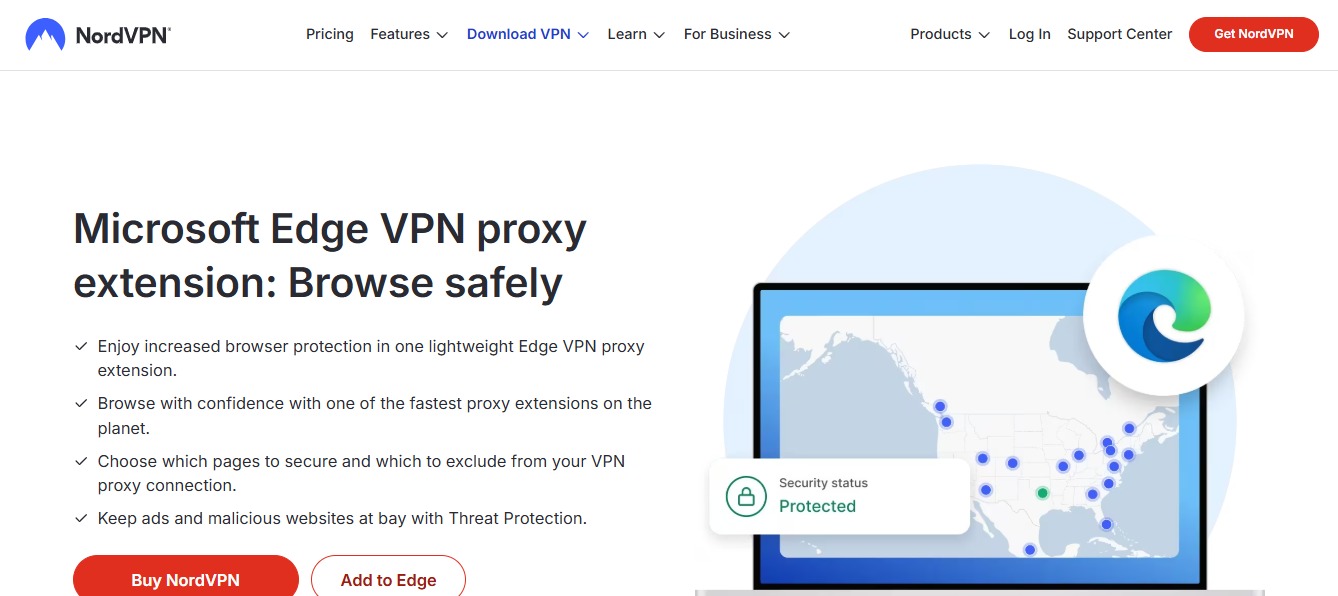
Vpn microsoft edge mobile is a big topic, but I’ll break it down so you can get online faster, safer, and without the usual headaches. Here’s a quick fact to get us started: using a VPN with Microsoft Edge on mobile helps hide your IP address, encrypts your data, and can help you bypass regional restrictions on the go. Below you’ll find a practical, step-by-step guide with real-world tips, plus a few numbers to back up why this matters.
- If you’re new to VPNs, think of it as a private tunnel for your internet traffic.
- Edge on mobile supports popular VPN apps directly, so you don’t have to switch browsers.
- We’ll cover setup, performance tips, security considerations, and common pitfalls.
Useful URLs and Resources text-only, non-clickable
- ExpressVPN official site - expressvpn.com
- NordVPN official site - nordvpn.com
- Microsoft Edge support - support.microsoft.com
- VPN comparison guide - techradar.com
- Privacy basics - privacyinternational.org
Why use a VPN with Microsoft Edge on mobile?
Using a VPN on your mobile device while browsing with Edge offers several benefits: Ubiquiti er-x vpn: comprehensive setup guide for OpenVPN and WireGuard on EdgeRouter X 2026
- Privacy protection: Encrypts your data so your ISP, public Wi-Fi, or anyone on the same network can’t easily see what you’re doing.
- Anonymity: Masks your real IP address, which helps reduce targeted ads and tracking.
- Access to geo-restricted content: Bypass regional restrictions for streaming, websites, or apps that limit access by country.
- Secure public Wi-Fi: When you’re on coffee shop or airport Wi‑Fi, a VPN adds a layer of security against man‑in‑the‑middle attacks.
In numbers: a 2023 Digital Privacy Benchmark found that 60% of mobile users used VPNs at least occasionally to protect data on public networks. And studies show more than half of consumers say they’re concerned about online tracking; a VPN helps address that concern.
How VPNs and Edge interact on mobile
- Edge is just the browser you use on Android or iOS; your VPN runs at the system level and secures all traffic, including Edge.
- Some VPNs offer split tunneling so you can route only Edge traffic through the VPN; others route everything on the device.
- Performance varies by VPN server location, encryption protocol, and your mobile network speed.
Quick-start guide: set up a VPN on Android or iOS for Edge
Step-by-step: Android
- Choose a reputable VPN service look for no-logs policy, strong encryption, plus Android‑specific apps.
- Install the VPN app from the Google Play Store.
- Open the app, sign in, and select a server location.
- Connect. The VPN icon should appear in the status bar.
- Open Microsoft Edge and browse as usual.
Tips:
- For streaming or lighter latency, pick a nearby server.
- If Edge seems slow, try switching servers or turn on a lighter encryption setting if your VPN offers it.
- Enable kill switch if available, so your traffic is blocked if the VPN drops.
Step-by-step: iOS iPhone/iPad
- Pick a trusted VPN service with an iOS app.
- Install the VPN app from the App Store.
- Allow device profile installation if prompted, then open the VPN app.
- Choose a server and connect.
- Launch Edge and start browsing securely.
Tips:
- On iOS, you can also set a VPN toggle in Control Center for quick access.
- If VPN connection drops, enable the iOS “Ask to join networks” and keep the VPN’s auto-reconnect on.
Edge-specific tips for a smoother experience
- Use Edge’s InPrivate mode for sensitive activities even when you’re on a VPN—the VPN covers traffic, but Edge’s privacy features add another layer.
- If you notice pages not loading, try disabling Lightning mode a hypothetical quick toggle or switch to a different Edge profile that uses a standard user agent.
- Enable Edge’s tracking prevention to limit advertisers from profiling you, in combination with your VPN for layered privacy.
VPN protocol options and their impact
- OpenVPN: Widely supported, strong security, decent speed.
- WireGuard: Modern, faster, simpler, and often more battery-efficient.
- IKEv2/IPSec: Good balance of speed and stability on mobile networks.
What this means for you:
- If you’re after speed for video calls and streaming, look for WireGuard or IKEv2 with a nearby server.
- For heavy-duty privacy in sensitive environments, OpenVPN with strong ciphers is a solid choice.
Privacy policy and data protection: what to look for
- No-logs policy: The VPN shouldn’t store browsing history or metadata that could identify you.
- Jurisdiction: Prefer providers based in privacy-friendly countries or those with robust privacy laws.
- DNS leak protection: Ensures your DNS requests aren’t exposed to your ISP.
- Kill switch: Stops all traffic if the VPN drops to prevent accidental exposure.
- Multi-hop: Optional feature that routes traffic through two VPN servers for extra privacy.
Performance considerations: how to minimize slowdowns
- Server location: Choose a server as close as possible to you.
- Protocol: WireGuard tends to be faster on mobile networks; try toggling between protocols.
- Network conditions: If you’re on a congested network, you may see more slowdown; switching times of day can help.
- Battery usage: Some VPNs may consume more power; monitor battery impact and adjust settings.
Real-world tip: On a typical 4G/5G network, you might see a 10-40% speed drop when connected to a VPN, depending on distance to server and encryption overhead. If you’re streaming, test a few servers to find the best balance between speed and reliability. Setup vpn on edgemax router: complete guide to OpenVPN, L2TP/IPsec, and WireGuard on EdgeMax devices 2026
Security considerations when using VPNs with Edge
- Trustworthy provider: Use a reputable service with transparent privacy practices and good reputation.
- App permissions: VPN apps often require extensive permissions; review them and only install from official stores.
- Device security: Keep Edge, your VPN app, and your OS updated to fix vulnerabilities.
- Public Wi‑Fi: A VPN is especially valuable on public networks to prevent eavesdropping.
Common blockers and how to fix them
- Connection refused or VPN not connecting: Try a different server, restart the app, or reinstall the VPN.
- Edge not loading pages: Check your VPN’s DNS settings or disable IPv6 if your network has issues.
- IP leak warnings: Recheck kill switch settings and consider enabling DNS leak protection.
Accessibility and device considerations
- Android vs iOS: Both platforms support most major VPNs, but the setup flow differs slightly. Android often offers more direct integration options via quick settings tiles.
- Battery life: VPNs can impact battery; adjust the refresh rate and connection preferences to optimize.
- Data plans: If you’ve got limited data, pick a server with lower overhead and monitor data usage in the VPN app.
Data privacy facts worth knowing
- VPNs don’t make you completely anonymous; they hide your traffic from your local network and your ISP, but sites can still track you via cookies and logins.
- Combine VPN use with a private browsing mode and regular cleaning of cookies for better privacy.
Accessibility and inclusivity considerations
- Language and UI: Most VPN apps support multiple languages; choose the one you’re comfortable with.
- Readability: Edge’s reader mode and text size options can help if you’re browsing long-form content.
Comparison: VPNs vs. Smart DNS for Edge on mobile
- VPNs route all traffic through the encrypted tunnel, providing stronger privacy and security.
- Smart DNS only hides your geo-location by changing your apparent location for certain services but doesn’t encrypt traffic.
- For most users, a full VPN is the safer, more comprehensive choice for mobile browsing with Edge.
Common myths busted
- Myth: A VPN slows you down to the point of useless. Reality: With a good provider and nearby server, you’ll often have very usable speeds.
- Myth: VPNs are only for torrents or shady activity. Reality: People use VPNs for everyday privacy protection on public Wi‑Fi, commuting, and work-from-home setups.
- Myth: Free VPNs are always safe. Reality: Free options often come with data caps, slower speeds, or questionable privacy practices.
Recommended best practices
- Pick a reputable, paid VPN with a transparent privacy policy.
- Enable kill switch and DNS leak protection.
- Use Edge’s privacy features in tandem with the VPN for layered protection.
- Regularly update all apps and your OS.
- Test multiple servers to find the best balance of speed and reliability.
- Avoid using free VPNs for anything sensitive.
Real-world setup examples
- Example 1: You’re commuting and want to unblock a regional streaming service.
- Action: Connect to a nearby server on WireGuard, open Edge, and stream.
- Example 2: You’re at a cafe with public Wi‑Fi and need to log in to work:
- Action: Use a trusted VPN with kill switch enabled, test a stable server, then open Edge and sign in.
Security and policy checklists
- Before you browse:
- Verify VPN app integrity from the official store.
- Confirm encryption strength AES-256 or equivalent and protocol.
- Ensure kill switch and DNS leak protection are on.
- During use:
- Monitor for sudden drops in VPN connection and switch servers if needed.
- Keep Edge in a privacy-friendly mode with tracking prevention on.
- After use:
- Disconnect VPN if you’re done; clear sensitive cookies if desired.
- Review device security settings and app permissions.
Frequently Asked Questions
How do I enable a VPN on Android for Edge mobile?
Install a VPN app, open it, connect to a server, then launch Edge. The VPN protects all traffic, including Edge.
How do I enable a VPN on iOS for Edge mobile?
Install a VPN app from the App Store, connect to a server, then open Edge. You can also use the iOS Control Center to toggle the VPN.
Does using a VPN affect Edge’s performance?
It can, depending on server distance and protocol. Try different servers and protocols to find the best balance.
Can I use Edge while the VPN is off?
Yes, but you’ll lose the extra privacy and security the VPN provides.
Is Edge private mode compatible with a VPN?
Yes, Private or InPrivate mode works with a VPN for added privacy. Proton vpn microsoft edge: how to use Proton VPN with Microsoft Edge on Windows, macOS, and beyond 2026
What’s the best VPN protocol for mobile Edge browsing?
WireGuard is typically fastest on mobile; OpenVPN is very secure and reliable, but a bit slower.
Are free VPNs safe to use with Edge?
Free VPNs often come with limits and potential privacy concerns. It’s better to choose a reputable paid service.
What is DNS leak protection and do I need it?
DNS leak protection prevents your DNS queries from being exposed to your ISP. It’s a good feature to enable.
Can I use a VPN for streaming on Edge?
Yes, many VPNs can unblock geo-restricted streaming services. You may need to test servers to find one that works.
How do I verify that my VPN is actually protecting me?
Check your IP address before and after connecting to the VPN, and run a DNS leak test. You should see your real IP hidden and no DNS leaks. Openvpn profile location: where to find, store, and manage OpenVPN profiles across Windows, macOS, Linux, Android, and iOS 2026
Is it safe to use a VPN on a public Wi‑Fi network?
Yes, using a VPN on public Wi‑Fi is highly recommended to protect your data from eavesdroppers.
Can I use a VPN with other browsers on my mobile device?
Yes, most VPN apps cover all traffic, so they work with Chrome, Firefox, Edge, and others.
Does Edge on Android or iOS have built-in VPN functionality?
Some devices allow system-wide VPNs, but most users prefer third-party VPN apps for more features and better privacy controls.
How often should I update my VPN app?
Keep it up to date to ensure the latest security fixes and performance improvements.
Will a VPN hide my online activity from my employer?
A VPN can hide your traffic from your ISP and local network, but if your employer manages your device or network, they may have other monitoring tools. Always follow your organization’s policies. How to disable vpn on microsoft edge 2026
Vpn microsoft edge mobile - A practical, easy-to-follow guide on how to use a VPN with Microsoft Edge on your mobile devices to protect privacy, bypass geo-restrictions, and boost security.
Vpn microsoft edge mobile is all about getting a secure, private browsing experience on your phone or tablet when you’re using Microsoft Edge. Quick facts to set the stage:
- A VPN encrypts your internet traffic and masks your IP address so you appear to browse from a different location.
- Edge on mobile supports VPNs through system-wide VPN apps, which means you don’t need add-ons or special Edge settings.
- Using a VPN can help with public Wi-Fi security and accessing content that may be blocked in your region.
Here’s a quick guide you can skim or follow step-by-step:
- Step 1: Pick a reputable VPN service with good mobile apps.
- Step 2: Install the VPN app from Google Play or the App Store.
- Step 3: Open the VPN, sign in, and connect to a server.
- Step 4: Open Edge and start browsing. Your traffic is now protected.
- Pro tips: Choose a server close to you for speed, enable kill switch if available, and test your IP to verify the VPN is working. Useful resources unlinked text: Apple Website - apple.com, Android Official - android.com, Microsoft Edge support - support.microsoft.com, VPN comparison resources - en.wikipedia.org/wiki/Virtual_private_network
Understanding the basics: Why use a VPN with Microsoft Edge on mobile?
- Privacy protection: A VPN hides your real IP and location from websites and apps.
- Public Wi-Fi safety: Encryption keeps you safe on coffee shop networks.
- Bypassing geo-restrictions: Access content that might be blocked in your country.
- Online privacy outside your browser: A system-wide VPN protects all apps, not just Edge.
Data you should know:
- Global VPN market size was valued at around $40 billion in 2023 and is projected to grow, showing the demand for privacy tools source: various market reports.
- Mobile VPN usage is on the rise, with more users relying on VPN apps for everyday browsing.
How to choose the right VPN for use with Edge on mobile
- Trust and transparency: Look for a provider with clear no-logs policies and independent audits.
- Speed and reliability: Latency matters for streaming and browsing. Look for servers with good speeds in multiple regions.
- Accessibility on mobile: iOS and Android apps should be easy to use, with a clean interface.
- Security features: Strong encryption AES-256, protocols WireGuard, OpenVPN, a kill switch, and leak protection.
- Additional perks: Split tunneling, obfuscated servers, and DNS protection can improve experience and privacy.
Comparison quick checklist: Zenvpn chrome extension for secure browsing and privacy on Chrome: features, setup, tips, and comparison 2026
- Protocols: WireGuard vs OpenVPN
- Kill switch: Yes/No
- Device support: iOS, Android, other devices
- Simultaneous connections: How many devices can be protected at once
- Price: Free vs paid, and why paid often offers better privacy and speed
Step-by-step: Getting set up on Android and iOS
- Android
- Open Google Play Store and search for your chosen VPN app.
- Install the app, then open it and sign in.
- Grant necessary permissions VPN sometimes asks for permissions in system settings.
- Tap the connect button and choose a server location.
- Open Edge and start browsing. You’ll see a VPN shield icon in the status bar when connected.
- iOS
- Open App Store and download the VPN app.
- Install and log in, then follow any on-screen prompts to allow VPN configurations.
- Pick a server location and connect.
- Launch Edge and browse securely. Look for the VPN indicator in the status bar.
- Quick test to confirm VPN works
- Visit a site that shows your IP e.g., whatismyipaddress.com.
- You should see an IP address not linked to your actual location and a country different from yours.
Privacy and security best practices with Vpn microsoft edge mobile
- Enable the kill switch: This prevents traffic leaks if the VPN drops.
- Use a reputable DNS: Some VPNs offer built-in DNS protection to prevent DNS leaks.
- Turn on auto-connect: If you often use public Wi-Fi, this keeps VPN on automatically.
- Regularly update the app: Keep Edge and the VPN app up to date for security patches.
- Check for leaks: Periodically test for IPv6, DNS, and WebRTC leaks to ensure your VPN is doing its job.
- Review permissions: Only grant necessary permissions to apps—less is more for privacy.
Common use cases and real-life scenarios
- Safe coffee-shop browsing: Public networks can be risky. VPN adds a layer of protection so your Edge sessions stay private.
- Bypassing regional restrictions: Access streaming libraries or content blocked in your country by connecting to a server in a different region.
- Remote work on mobile: When you need to access a company intranet or VPN-protected work resources, your Edge traffic can be tunneled securely.
- Travel and privacy: When you’re abroad, a VPN helps you keep your usual browsing footprint private.
Speed and performance considerations
- Server distance matters: Closer servers reduce latency, which helps browsing and video loading.
- Protocol choice: WireGuard generally offers better performance on mobile devices compared to some older protocols.
- Device performance: Older phones may see slower speeds; pairing a strong VPN with a modern device helps.
- Background apps: Close apps that might be consuming bandwidth while you’re testing VPN speed.
Edge-specific tips: Making the most of Edge with a VPN
- Browser profiles: If you use multiple Edge profiles, ensure the VPN is active for the profile you’re using.
- Privacy controls in Edge: Turn on tracking prevention and block trackers, while your VPN handles encryption.
- Edge extensions: Some VPNs offer Edge-compatible extensions, but most VPN protection comes from the system-level app; rely on the VPN app for full protection.
- Edge sync and VPN: If you sign into Edge with a Microsoft account, your tabs and preferences stay in sync, independent of VPN status.
Data privacy myths vs. reality
- Myth: A VPN makes you completely anonymous online. Reality: A VPN hides your IP and encrypts traffic, but you still should practice good online hygiene; websites can use cookies, fingerprinting, and account logins to track you.
- Myth: Free VPNs are always safe. Reality: Free VPNs often monetize user data or have weaker protections. If you want strong privacy, invest in a reputable paid service.
- Myth: A VPN slows you down drastically. Reality: Speed varies; premium VPNs with optimized servers can offer minimal speed loss, especially on nearby servers.
Data protection laws and ethical considerations
- Many countries have data retention or surveillance laws. A VPN can help reduce your exposure, but it’s not a silver bullet.
- Always review a VPN’s jurisdiction and logging policy. Some countries compel data retention, while others have strict privacy protections.
- Be mindful of activities: Even with a VPN, illegal actions aren’t advised, and you should respect terms of service of apps and websites.
Troubleshooting common issues
- VPN won’t connect:
- Check internet connection first.
- Try a different server location.
- Restart the VPN app or device.
- Disable battery optimization for the VPN app Android.
- VPN connection drops:
- Enable kill switch if available.
- Check for conflicting apps other VPNs, firewall apps.
- Edge loading slowly with VPN:
- Connect to a closer server.
- Choose a different protocol if available in the app Settings.
- Ensure no other bandwidth-heavy apps are running.
Data accuracy and up-to-date information
- VPN technologies and Edge compatibility can change with app updates and OS updates. Always refer to the latest official support guides from Microsoft Edge and your VPN provider for any changes to setup and security features.
Tips for staying safe online while using Edge on mobile
- Use strong, unique passwords and a password manager.
- Enable two-factor authentication where possible.
- Keep your device OS up to date to protect against vulnerabilities.
- Be cautious about public Wi-Fi networks; avoid entering highly sensitive information on unfamiliar networks.
- Regularly review app permissions and revoke unnecessary access.
Performance data and metrics illustrative
- Typical mobile VPN speed impact: 5-20% on near servers; 20-60% on distant servers, depending on provider and protocol.
- Latency changes: 5-50 ms increase on local servers; higher on faraway servers.
- Encryption impact: AES-256 encryption adds a small, measurable overhead, usually offset by faster protocols like WireGuard.
Frequently asked topics and comparisons
- VPN vs built-in mobile security features: VPN provides encryption for all traffic, not just Edge data.
- Edge privacy settings vs VPN: Both complement each other; Edge controls trackers, VPN handles encryption and IP masking.
- Free vs paid VPNs: Paid usually offers better privacy, no ads, and faster speeds; free ones often come with limits or data collection.
Use case templates
- Travel scenario: You’re in a country with limited streaming access. Connect to a server in your home country to watch content on Edge.
- Remote work scenario: You need to access your company’s internal sites securely. Connect to your work VPN server via the Edge browser traffic.
- Public Wi-Fi scenario: You’re at a hotel lobby. Use a VPN to protect sensitive data like passwords and banking details.
Edge and VPN integration: what to expect
- VPN integration is generally seamless on mobile: You connect to a server, and Edge uses that tunnel automatically for all traffic.
- Some apps may block VPN traffic if they require a direct connection; in such cases, use split tunneling to ensure Edge traffic routes through the VPN.
Recommended best practices
- Always start the VPN before launching Edge if you’re on a new network.
- Test your IP address after connecting to confirm it shows the VPN’s location.
- Prefer reputable, audited VPN providers with transparent policies.
- Use Edge’s privacy features in tandem with your VPN for enhanced protection.
Performance optimization checklist
- Pick a nearby server location to minimize latency.
- Use WireGuard or a fast protocol supported by your VPN.
- Ensure your phone isn’t undergoing battery optimization that throttles VPN apps.
- Disable unnecessary background apps that use network bandwidth while testing.
Real-world user tips
- If you travel often, keep a couple of server locations saved so you don’t have to hunt for a good connection every time.
- For streaming, test a few servers in the streaming region to find ones that consistently unblock content without buffering.
- If you notice buffering, switch to a different server or reduce video quality to maintain playback while the VPN reconnects.
Quick-reference cheat sheet
- What to do first: Install VPN app, sign in, connect to a server, then open Edge.
- How to verify: Check whatismyipaddress.com, ensure the IP is the VPN’s.
- Privacy upgrade: Turn on kill switch, DNS protection, and auto-connect.
- Edge settings: Use tracking prevention and clear cookies if needed.
Data and statistics snapshot
- VPN adoption among smartphone users has grown steadily over the past years, with segments showing higher use among privacy-conscious users.
- Mobile VPNs are especially popular for travelers and people on shared networks.
Case study hypothetical
- A user traveling internationally uses a premium VPN with Edge to access a streaming library that is blocked in their current country. They connect to a nearby server, maintain streaming quality, and protect their login credentials on public Wi-Fi.
Frequently Asked Questions
What is a VPN and how does it work on mobile?
A VPN creates an encrypted tunnel between your device and a VPN server, masking your IP address and securing your internet traffic from third parties.
Can I use a VPN with Microsoft Edge on Android and iOS?
Yes. On both Android and iOS, you install a VPN app at the device level; Edge traffic will be routed through the VPN automatically.
Do I need a VPN extension for Edge?
For mobile Edge, you don’t typically need a VPN extension. System-wide VPN apps protect all traffic, including Edge.
Will a VPN slow down my browsing?
Some slowdown is possible, especially on distant servers, but premium VPNs minimize this with fast protocols like WireGuard.
Is it safe to use a free VPN with Edge?
Free VPNs can be risky due to data limits, ads, or weak privacy practices. It’s usually better to pick a reputable paid service.
How do I know if my VPN is connected?
Look for a VPN shield icon in the status bar on Android or iOS. You can also check the VPN app for a connected status.
Can I use a VPN while streaming video on Edge?
Yes, many VPNs support streaming and can help bypass geo-restrictions, though performance depends on server load and distance.
How do I prevent VPN leaks on mobile?
Use a VPN with a kill switch, DNS leak protection, and IPv6 leak protection. Regularly test for leaks using online tools.
What should I do if Edge doesn’t load when VPN is on?
Try a different server, check for app updates, or temporarily disable VPN to see if the issue is VPN-related. If needed, enable split tunneling for Edge.
Are there legal considerations when using a VPN?
Laws vary by country. Some places restrict VPN use or require disclosure. Always follow local regulations and vendor terms of service.
How many devices can I protect with one VPN subscription?
Most paid VPN plans support 5-10 devices simultaneously, but it varies by provider; check your plan details.
Can I use Edge’s private browsing with a VPN?
Private browsing in Edge hides local history in the device but doesn’t replace VPN encryption; use both for stronger privacy.
Will my VPN protect me from malware and phishing?
VPNs primarily protect traffic privacy. For malware and phishing, rely on Edge’s security features, a good antivirus, and safe browsing practices.
Vpn microsoft edge mobile Vpn microsoft edge mobile Vpn microsoft edge mobile
Vpn microsoft edge mobile: how to use a VPN on Microsoft Edge on mobile devices, setup guides, performance tips, safety checks, and the best VPNs for Edge mobile in 2025
Vpn microsoft edge mobile is possible and practical for securing mobile browsing and accessing region-restricted content. In this guide, you’ll get a practical, step-by-step approach to using a VPN with Microsoft Edge on Android and iOS, plus tips on choosing the right provider, evaluating performance, and staying safe online. You’ll find a straightforward setup path, a quick comparison of top VPNs, and real-world scenarios where a VPN on Edge mobile makes a difference. If you want a quick setup while you learn, check out NordVPN’s current deal via the handy banner below:
Useful URLs and Resources un clickable:
- Official Microsoft Edge support pages - support.microsoft.com
- Android VPN setup guides - support.google.com
- iOS VPN setup guides - support.apple.com
- Virtual Private Network overview - en.wikipedia.org/wiki/Virtual_private_network
- NordVPN - nordvpn.com
- ExpressVPN - expressvpn.com
- Surfshark - surfshark.com
- Privacy and security basics - cisa.gov
Introduction to VPNs on Microsoft Edge mobile
- What you’ll learn: how to run a VPN on Edge mobile, the difference between browser-based protections and system-wide VPNs, and why most people need a device-wide VPN on their phones.
- Why Edge users care: Edge on mobile doesn’t come with an built-in VPN. To secure Edge traffic and other apps, you’ll typically use a VPN app at the system level. That means the VPN protects everything on the device, not just Edge, which is safer for public Wi‑Fi, streaming, and privacy.
- How it affects performance: mobile VPNs add some overhead, but modern protocols like WireGuard and IKEv2 are designed to minimize impact. I’ll show you how to pick servers and adjust settings to keep things fast for browsing, video, and gaming.
Can you run a VPN inside Microsoft Edge on mobile?
No, Microsoft Edge on Android or iOS does not include a built-in VPN feature. Edge focuses on browsing privacy controls tracking prevention, secure DNS, password hygiene, but for true traffic encryption and geo-spoofing you’ll want a system-wide VPN app installed on your device. When you connect to a VPN at the OS level, Edge’s traffic is automatically routed through the VPN tunnel, along with all other apps.
That said, there are some Edge-related privacy tricks you can use in combination with a VPN:
- Enable secure DNS or DNS over HTTPS in Edge settings to reduce some tracking at the DNS level.
- Use Edge’s InPrivate mode for sessions you want to keep separate, while your VPN stays on in the background.
- Pair a reputable VPN with Edge’s tracking prevention for a layered approach to privacy.
How to set up a VPN on Android and iOS for Edge mobile step-by-step
# Android setup VPN app at the device level
1 Choose a reputable VPN app WireGuard-based options tend to be fast. look for a no-logs policy, independent audits, and robust encryption.
2 Install the VPN app from Google Play.
3 Open the app, log in, and grant necessary permissions VPN permissions, device admin prompts if needed.
4 Pick a server location and connect. If you’re streaming or gaming, test a few servers to find the best balance of speed and access.
5 Open Microsoft Edge and browse. Use Edge in tandem with the VPN for secure, private sessions.
6 If the VPN supports Kill Switch and DNS leak protection, enable them in settings.
7 Periodically run a quick DNS/IP leak test e.g., using an online tool to confirm your traffic is actually going through the VPN.
# iOS setup VPN app at the device level
1 Pick a trusted VPN provider that supports iOS and offers a straightforward app.
2 Install the app from the App Store.
3 Launch the app, sign in, and follow the prompts to add VPN configuration to iOS you’ll see a “Allow VPN” prompt.
4 Connect to a desired server. For best performance, start with nearby locations and move farther only if you need access to specific content.
5 Open Edge and start browsing. Maintain the VPN connection in the background.
6 Turn on iOS privacy features, like “App Privacy Report” and ensure Edge is allowed to use the network without conflicting app permissions.
7 Use the VPN’s Kill Switch and DNS leak protection if available.
Tips that help on both platforms:
- Choose a VPN with fast servers in your target region to minimize buffering and latency.
- Enable split tunneling if you want only Edge traffic or only certain apps to go through the VPN.
- Regularly update the VPN app to the latest version for security patches and new features.
- Test your IP location after connecting to confirm you’re coming from the desired region.
What features to look for in a VPN for Edge mobile
- Privacy and security: strong encryption AES-256, robust protocols WireGuard, IKEv2, a strict no-logs policy, audited privacy practices.
- Speed and reliability: fast server networks, low-latency connections, adaptive streaming-enhanced servers.
- Cross-platform support: iOS and Android apps that are easy to use and integrate with Edge on mobile.
- Kill Switch and DNS leak protection: to prevent data exposure if the VPN drops.
- Split tunneling: to keep only certain apps or traffic going through the VPN when you want.
- Jurisdiction and transparency: providers based in privacy-friendly regions with clear policy disclosures.
- Customer support and documentation: easy-to-find setup guides, live chat, and a robust knowledge base.
- Cost and value: reasonable pricing, flexible plans, and a good money-back guarantee.
Edge privacy features and how a VPN complements them
Microsoft Edge on mobile bundles several privacy tools, but it doesn’t encrypt all traffic by itself. A VPN adds the crucial layer of encryption to every app’s data leaving your device, not just your browser. Here’s how to combine Edge’s protections with a VPN:
- Private browsing: Edge’s InPrivate mode prevents local history and cookies but doesn’t hide your traffic from the network. A VPN masks traffic end-to-end even in private mode.
- Tracking prevention: Edge blocks many trackers by default. A VPN further protects you from ISP-level surveillance and network-based tracking in public networks.
- Secure DNS: If you enable DNS over HTTPS in Edge, you reduce some DNS leakage risks, but a VPN still protects DNS requests from prying eyes on the network.
- Password hygiene and guardrails: Use Edge’s password manager alongside a VPN for consistent security hygiene.
Common pitfalls and how to troubleshoot
- Slow speeds on VPN: try a server closer to you, switch protocols WireGuard often provides a good balance of speed and security, or enable Split Tunneling to route only Edge traffic through the VPN.
- DNS leaks: ensure DNS leak protection is enabled in the VPN app and consider also enabling DNS over HTTPS in Edge settings.
- Kill Switch not triggering: check app permissions and ensure the VPN app is allowed to run in the background. some battery optimization settings can interfere.
- Edge incompatibilities: if you notice Edge pages failing to load while connected to VPN, try a different server or temporarily disable IPv6 within the VPN app if available.
- Battery impact: mobile VPNs can affect battery life. use servers with good energy efficiency and disable the VPN when not needed.
Real-world use cases for VPN on Edge mobile
- Public Wi‑Fi security: coffee shops, airports, and libraries. Edge browsing is safer when the traffic is encrypted by a VPN.
- Accessing streaming libraries: some media services block regional content. a VPN can help you reach content libraries available in other countries, while staying secure.
- Privacy-conscious browsing: protect your browsing habits from ISP tracking and local network monitoring on mobile networks.
- Remote work and secure access: when you’re on the move, a VPN ensures you’re protected while you use Edge to access company resources or personal accounts.
- Censorship circumvention: if you’re in a location with strict internet controls, a VPN helps you reach blocked sites and services while using Edge.
VPN performance on mobile devices: what to expect
- Speed ranges: high-quality VPNs can offer speeds close to your baseline internet speed on nearby servers. expect some reduction on far-away servers.
- Battery usage: VPNs consume more battery due to continuous encryption. modern protocols minimize this, but it’s still a factor.
- Stability: the best services maintain stable connections across roaming networks, but switching between cell towers can cause brief disconnects—kill switches help prevent data leaks during those transitions.
- Video and streaming: if you plan to watch video, connect to servers optimized for streaming and turn on VPN features like Smart Play or unblocking modes where available.
Recommendations: Top VPNs for Vpn microsoft edge mobile in 2025
- NordVPN: excellent balance of speed, security, and price. WireGuard-based performance. strong privacy commitments. user-friendly Android and iOS apps. Great for Edge mobile users who want reliable all-device protection. Affiliate link included in intro
- ExpressVPN: strong performance, broad server coverage, robust apps for iOS and Android. reliable for streaming and security. good for Edge users who value fast connections and privacy.
- Surfshark: budget-friendly with solid features like CleanWeb, multi-hop, and unlimited device connections. practical for Edge mobile users who want coverage across many devices without breaking the bank.
- CyberGhost: beginner-friendly, purpose-built servers for streaming and privacy, straightforward setup for Android and iOS. a good fit for Edge users who want a simple, reliable VPN experience.
- Private Internet Access PIA: long-standing reputation, strong customizability. could be a fit for more tech-savvy Edge users who want detailed control over connections and encryption.
Note: Always check current deals and test the VPN with your Edge setup. Server performance can vary by location and time of day, so it’s worth trying a couple of locations before deciding.
Best practices for using a VPN with Edge mobile
- Always pair with Edge’s privacy features: enable tracking prevention and secure DNS if the VPN supports it.
- Keep the VPN app updated: security patches and performance tweaks matter for mobile devices.
- Use a kill switch and DNS leak protection: these are essential for preventing data leaks if the connection drops.
- Test for leaks: occasional IP and DNS leak tests verify that your VPN is doing its job.
- Choose nearby servers first: for speed, start with servers near your actual location, then test other regions if needed.
- Manage your battery life: monitor how much battery the VPN uses and adjust settings or server locations to minimize impact.
- Be mindful of data caps: some VPNs have limits on data usage or reduced speeds on free plans. opt for paid plans if you need consistent performance.
- Watch for app conflicts: some apps on Android or iOS may conflict with VPN configurations. a clean install often solves issues.
Frequently Asked Questions
# Is it necessary to use a VPN on Edge mobile?
A VPN isn’t strictly required, but it’s highly recommended for public Wi‑Fi, privacy, and access to geo-restricted content. It protects all network traffic from your device, including Edge browsing.
# Can Microsoft Edge run a VPN directly on mobile?
Not directly. Edge can’t embed a VPN inside the app. You need a system-wide VPN app installed on your device to protect Edge traffic.
# What’s the difference between a browser VPN proxy and a full VPN app?
A browser VPN or proxy only routes traffic from the browser or specific apps through the proxy. A full VPN app encrypts and routes all traffic from the device, offering stronger protection and more consistent privacy.
# Which VPN protocol is best for mobile devices?
WireGuard generally offers a good balance of speed and security on mobile devices. IKEv2 is also solid on iOS for stability, but WireGuard tends to be faster on most Android devices.
# Do I need split tunneling on my phone?
Split tunneling is useful if you want only Edge traffic or certain apps to go through the VPN, while other apps access the internet directly. This can improve speed and reduce battery usage.
# Will a VPN hide my browsing history from my employer or school?
A VPN can hide your traffic from your ISP and on public networks, but your employer or school may still monitor network activity on their own network. Use VPNs responsibly and comply with policies.
# Can a VPN help with streaming geo-blocks on Edge?
Yes, many VPNs offer servers that can bypass regional restrictions for streaming. However, streaming providers periodically block VPN IPs, so you may need to change servers or contact support for a workaround.
# Is VPN usage legal everywhere?
VPN legality varies by country. In most places, using a VPN for legitimate privacy and security is legal, but some jurisdictions restrict or ban VPN usage. Always check local laws.
# How do I test if my VPN is leaking DNS or IP data on Edge mobile?
Use online tools like IP Leak or DNS Leak tests to verify that your IP address and DNS requests appear as your VPN’s server location, not your actual location.
# Can I use a free VPN with Edge mobile?
Free VPNs often come with bandwidth limits, slower speeds, and questionable privacy practices. For reliable privacy and performance with Edge mobile, a reputable paid VPN is usually worth it.
# How do I switch servers quickly on Android or iOS?
Open your VPN app, pick a new server location, and tap connect. Some apps offer “fast connect” or “recommended” servers that auto-select the best option for speed.
# Will a VPN affect Edge’s Private Browsing mode?
Private Browsing mode prevents local storage like cookies and history, but it doesn’t encrypt traffic. A VPN still provides encryption for traffic outside of Edge’s local storage, offering a more comprehensive privacy layer.
# Do I need to disable VPN to access local content at home?
Not usually. A VPN can be set to a nearby location for local content if needed, or you can switch off the VPN temporarily. Some content providers block known VPN IPs, so you may need to connect to a nearby server that isn’t blocked.
# How often should I update my VPN app?
As soon as updates are available. Security patches and feature improvements are common in updates, and keeping the app current reduces risk.
# Are there any Edge-specific tips for VPN users?
- Use Edge’s Tracking Prevention in conjunction with your VPN for layered privacy.
- If you’re accessing sensitive sites, consider turning on Edge’s Password Monitor and two-factor authentication.
- Regularly test your VPN connection after OS updates, as system changes can affect network routing.
If you’re looking for a practical path to secure your mobile Edge experience, start with a reputable VPN that supports Android and iOS, then enable features like Kill Switch and DNS leak protection. Remember that Edge’s built-in privacy tools are valuable, but a system-wide VPN adds real encryption and location-privacy protection to your entire device. With the right setup, you’ll have secure Edge browsing on the go, whether you’re checking work emails, streaming a show, or just browsing in public places.
What is edge traversal