Which browser has vpn built in and how to choose the best built-in vpn option for privacy and streaming in 2026
'%2F%3E%3Ctext%20x%3D'50%25'%20y%3D'50%25'%20dy%3D'.35em'%20text-anchor%3D'middle'%20font-family%3D'-apple-system%2CBlinkMacSystemFont%2CSegoe%20UI%2Csystem-ui%2Csans-serif'%20font-size%3D'100'%20font-weight%3D'600'%20fill%3D'%23fff'%3ECZ%3C%2Ftext%3E%3C%2Fsvg%3E) Cordelia Zalevsky·April 11, 2026·21 min
Cordelia Zalevsky·April 11, 2026·21 min
Which browser has VPN built in and how to choose the best built in VPN option for privacy and streaming in 2025? Short answer: several browsers now offer built-in VPN or proxy features, but the right choice depends on your needs, like privacy level, streaming access, and device compatibility. Here’s a quick guide to help you pick the best built-in VPN option and how to use it effectively.
- Quick facts:
- Built-in VPN help: A built-in VPN can simplify setup, reduce misconfigurations, and protect data on supported devices.
- Privacy vs. speed: Some built-ins trade speed for stronger privacy, while others focus on fast streaming.
- Logging policies matter: Look for no-logs guarantees and independent audits when possible.
- Platform coverage: Not all built-ins cover all devices; verify cross-device support if you use multiple gadgets.
What you’ll learn in this guide
- Which browsers offer built-in VPN or privacy features in 2025
- How to evaluate the best built-in VPN option for privacy and streaming
- Practical steps to enable and use the built-in VPN
- Real-world tips for Netflix, YouTube, and other streaming services
- Common pitfalls and how to avoid them
- A quick FAQ with practical answers
Why a built-in VPN matters A built-in VPN in your browser can simplify protection, especially if you’re not comfortable configuring external VPN apps. It can mask your IP, encrypt traffic, and help bypass geo-restrictions for streaming. However, it’s not a one-size-fits-all solution. Some browsers only proxy browser traffic, not all device traffic, while others provide full-system VPN coverage. Understanding the scope and limitations is key to getting the most out of a built-in option.
Top browsers with built-in privacy or VPN features 2025
- Firefox via Enhanced Tracking Protection and optional extension options
- What to know: Firefox emphasizes privacy and can be extended with VPN-like features and privacy protections, though it doesn’t always bundle a full VPN by default. Some regions may offer integrated services through partnerships.
- Opera
- What to know: Opera includes a built-in VPN in some versions. It’s easy to toggle on and covers browser traffic, with servers in multiple regions. Note that some users have raised concerns about logging and data practices—review current policy.
- Epic Privacy Browser
- What to know: This browser is built around privacy and includes strong tracking protection and proxy-like features. It’s not a traditional VPN, but it provides significant privacy advantages within the browser.
- Brave
- What to know: Brave focuses on privacy by default, blocking trackers and ads. It doesn’t bundle a full VPN in all builds, but it integrates well with VPN services and offers built-in proxy options in some configurations.
- Microsoft Edge privacy features and potential VPN integration
- What to know: Edge emphasizes enterprise-grade security and privacy controls. It may offer VPN-like options through extensions or optional add-ons rather than a native full VPN in all regions.
- Google Chrome privacy settings + VPN extensions
- What to know: Chrome itself doesn’t include a full VPN, but you can pair it with built-in privacy features like strict site isolation and use built-in or system-level VPNs via extensions or OS-level VPNs.
How to assess the best built-in VPN option for privacy and streaming in 2025
- Privacy posture
- Look for clear no-logs policies, independent audits, and transparent data handling.
- Check jurisdiction: countries with strong privacy laws e.g., EU, UK, or data-friendly regimes can influence data retention and access.
- Streaming compatibility
- Some services actively block VPNs. Verify whether the browser’s built-in option can consistently access platforms like Netflix, Hulu, or YouTube without frequent blocks.
- Speed and reliability
- A built-in VPN should offer enough speed to watch HD/4K without buffering. Test with different servers if the option allows server choice.
- Cross-device coverage
- If you use a phone, tablet, and laptop, confirm whether the built-in option covers all devices or only browser traffic.
- Ease of use
- A straightforward toggle, simple server selection, and clear indicators of protection status are important for non-technical users.
- Security features
- End-to-end encryption, leak protection DNS/IP leak protection, and secure protocols WireGuard, OpenVPN variants are important quality markers.
How to enable and use a built-in VPN in your browser step-by-step
- Step 1: Check the option in your browser
- Go to settings or privacy sections and look for “VPN,” “Privacy shield,” or “Integrated privacy features.”
- Step 2: Read the policy
- If there’s a built-in VPN or proxy, read the terms about logging, data collection, and server locations.
- Step 3: Toggle on and pick a server if available
- Choose a server close to your physical location for better speed, or pick a location required for geo-restricted content.
- Step 4: Test for leaks
- Use DNS leak and IP check services to verify your real IP is hidden when the VPN is on.
- Step 5: Test streaming
- Open a streaming service and try playing content to ensure it loads without annoyances or blocks.
- Step 6: Background protection check
- Ensure the VPN remains active when you switch tabs or apps. Some built-ins only cover browser traffic, not other apps—be mindful of this.
- Step 7: Security hygiene
- Keep your browser updated, review permission requests, and avoid installing suspicious extensions that could bypass built-in protections.
What to expect for privacy and streaming in 2025
- Privacy-first browsers continue to emphasize anti-tracking and encrypted connections.
- Built-in VPNs or proxy features are more common, but many services still prefer full-system VPNs for comprehensive protection.
- Some browsers allow easy toggling between VPN servers or regions, making it easier to test which ones provide the best streaming access.
- You’ll see more transparency around data handling and privacy audits as consumer demand grows.
Tips for streaming with built-in VPNs
- Plan around peak times: VPNs can slow down during peak usage hours. If you notice buffering, switch servers to a less congested region.
- Use optimized servers: Some providers label streaming-optimized servers. If your built-in option doesn’t offer this, manually test a few locations.
- Consider pairing with a trusted external VPN: If you need robust privacy beyond browser traffic, pairing a browser-based option with a system-level VPN can give broader protection.
- Bypass geo-restrictions carefully: Some services detect and block VPNs aggressively. If one server fails, try another location or disable the VPN for that service if allowed.
Data and statistics you can reference 2024–2025
- Privacy adoption: About 46% of internet users in North America and Europe reported using some form of VPN or privacy tool regularly in 2024.
- Streaming access: A growing share of users rely on VPNs to access a broader catalog of content, with success rates varying by service and region.
- Browser privacy trends: Major browsers have increased emphasis on anti-tracking features and privacy controls in 2024–2025, with ongoing updates to reduce third-party tracking and fingerprinting.
Table: Built-in VPN or privacy features by browser at-a-glance
- Firefox: Privacy-first approach, optional extensions for enhanced VPN-like protection; strong anti-tracking features.
- Opera: Built-in VPN browser traffic only in several builds; easy to toggle; check current policy for data handling.
- Brave: Strong privacy defaults; may offer proxy options or integration with external VPNs rather than a full built-in VPN.
- Epic Privacy Browser: High privacy focus with proxy-like features; not a traditional full VPN.
- Edge/Chrome: Browser privacy features and extensions; built-in VPN is not universal; rely on extensions or system VPNs for full coverage.
Practical comparison: built-in VPN vs. external VPN extension
- Built-in VPN
- Pros: Easy to enable, lower setup friction, browser-wide privacy protection within scope.
- Cons: May not cover all apps on your device; fewer server options; privacy posture depends on the browser’s policy.
- External VPN extension
- Pros: Some offer broader server choices and more transparent policies; can sometimes offer better streaming access.
- Cons: Extensions can introduce security risks if not sourced from reputable providers; may not always be compatible with all sites.
Real-world scenarios and recommended practices
- You’re Netflix streaming from overseas
- Try a built-in VPN with a server in the target country. If Netflix blocks it, switch servers or temporarily disable the VPN for that service if allowed, or use a trusted external VPN for streaming.
- You want tighter privacy for browsing
- Rely on a browser with strong anti-tracking features, enable HTTPS-Only mode, and consider pairing with a reputable external VPN for broader protection.
- You’re on a mobile device
- Check if the browser’s built-in VPN supports iOS/Android and whether it covers mobile data. Some mobile browsers offer more limited coverage.
Common pitfalls and how to avoid them
- Overestimating protection
- A built-in browser VPN may only protect browser traffic. For complete device protection, use a system-wide VPN.
- Inconsistent performance
- VPNs can slow your connection. Test multiple servers and pick the one with the best balance of speed and stability.
- Privacy trade-offs
- Some browsers rely on data collection to fund free services. Read privacy policies and opt out of non-essential data sharing where possible.
- Geo-block detection
- Some streaming services actively detect and block VPN traffic. Have contingency plans, like trying different servers or temporarily pausing the VPN for that service.
Useful URLs and Resources
- Official browser privacy pages - https://www.mozilla.org/en-US/firefox/privacy/
- Opera VPN information - https://www.opera.com/privacy
- Brave privacy overview - https://brave.com/privacy/
- Epic Privacy Browser overview - https://www.epicbrowser.com/
- Browser security best practices - https://www.us-cert.gov/ncas/tips
- VPN basics and privacy policies explained - https://www.expressvpn.com/what-is-vpn
- Netflix VPN policy and troubleshooting - https://help.netflix.com/en/node/13264
- YouTube privacy and safety features - https://www.youtube.com/howyoutubeworks
- DNS leak test - https://dnsleaktest.com
- IP address lookup - https://www.whatismyip.com
Frequently Asked Questions
Do all browsers come with built-in VPNs in 2025?
Built-in VPNs are available in several browsers or through integrated privacy features, but not all browsers provide a full system-wide VPN. Some focus on anti-tracking and privacy within the browser, while others offer browser-level VPNs or proxy options. For full device protection, you may still want a separate VPN service or OS-level VPN.
Is a built-in VPN enough to protect my privacy?
A built-in VPN can protect browser traffic and mask your IP for browser sessions, but it may not cover other apps on your device. For stronger privacy, pair it with a system-wide VPN and use privacy-conscious settings across the OS.
Will using a built-in VPN slow down my connection?
Often yes, because your data has to travel to the VPN server and be encrypted. The impact depends on server distance, server load, and the VPN’s optimization. Try closer servers or streaming-optimized servers to minimize slowdown.
Can I use a built-in VPN to access geo-restricted content like Netflix?
Some built-in VPNs can bypass geo-restrictions, but streaming platforms actively block VPN traffic. If you run into blocks, switch servers or use a trusted external VPN that is known to work with that service.
How do I know if my built-in VPN is really protecting me?
Use DNS leak and IP leak tests to verify that your real IP and DNS requests aren’t leaking. Regularly review privacy settings and ensure the VPN indicator is active when you browse.
Do built-in VPNs log my data?
Policies vary by browser and service. Look for explicit no-logs statements and independent audits. If privacy is your priority, choose options with transparent privacy policies.
Can I use a built-in VPN on desktop and mobile?
Some built-in options are available on desktop only, others on both desktop and mobile. Check device compatibility in the browser’s feature list.
Are there risks to using built-in privacy features?
If you rely solely on built-in features, you might miss device-wide protections. Avoid installing untrusted extensions and keep all software updated to reduce risk.
How do I compare built-in VPN options across browsers?
Create a simple comparison checklist: privacy policy, audit status, coverage browser-only vs. device-wide, server locations, speed, and streaming compatibility. Try a few options to see which one fits your needs.
What’s the best way to combine privacy and streaming in 2025?
Use a browser with strong privacy protections and a built-in VPN or proxy for browser traffic, and consider pairing with a trusted system-wide VPN for full-device coverage. Regularly test streaming services for accessibility and adjust servers as needed.
Opera is the browser with built-in VPN. If you’re wondering which browser has vpn, you’ll be surprised to learn that Opera is the one most people think of first for this feature. In this guide, you’ll get a clear, real‑world look at what a built-in VPN in your browser actually does, how it compares to extensions and standalone VPNs, and practical tips to stay private online. We’ll cover: what built-in VPNs can and can’t do, how to enable Opera’s VPN, how to add extra protection with browser extensions, and the best options for streaming, gaming, and everyday privacy. Plus, you’ll discover a good deal on a trusted VPN service to complement browser protection.
If you want a quick way to level up privacy without juggling multiple apps, this post will help you decide between built-in options, extensions, and full VPN services. And if you’re curious about a fast, shielded browsing setup, check out this limited-time NordVPN deal we’ve dropped in here for you.
Useful resources un-clickable text for easy reference: Opera official site - opera.com, NordVPN official site - nordvpn.com, What is a VPN? - en.wikipedia.org/wiki/Virtual_private_network, VPN privacy basics - privacy.org, YouTube privacy tips - privacyguide.org
Introduction: What you’ll learn and how this is organized
- Which browser has built-in VPN and why Opera is the standout
- How Opera’s VPN works and its limitations
- How to enable Opera’s built-in VPN in a few quick steps
- Alternatives: using VPN extensions in Chrome, Firefox, Edge, and Brave
- Practical tips for privacy, security, streaming, and performance
- When to use a standalone VPN service vs. browser‑level protection
- A step‑by‑step comparison of built-in VPNs vs. extensions vs. full VPNs
- Frequently asked questions you’ll actually care about
In this article, you’ll find real‑world examples, practical steps, and plain language explanations so you can decide the best path for your privacy goals. We’ll keep things friendly and direct, with concrete steps you can follow today.
Body
Understanding built-in VPNs in browsers: what they are and aren’t
- What a built-in browser VPN does: It routes your browser traffic through a different server, masking your IP for that browser's traffic. It’s convenient because it doesn’t require separate apps or extensions.
- What a built-in browser VPN does not do: It typically doesn’t cover all device traffic other apps on your phone or desktop may still leak IPs, and some features you expect from full VPNs—like robust kill switches, multiple country choices, and guaranteed no-logs—may be limited.
- Common myths: Built-in VPNs are as capable as standalone VPN services. Not always. They’re great for quick privacy fixes, but for overall device-wide protection or streaming around the world, you’ll likely want a full VPN service.
Why this matters: If you mainly browse in a few tabs—shopping, banking, social media—a browser VPN can be a lightweight shield. If you’re on public Wi‑Fi and want to encrypt all traffic from your device, a full VPN app is usually a better bet.
Opera: built-in VPN explained the one browser with a true “built-in VPN” feel
- Opera’s built-in VPN is a long-running feature that’s free to use and doesn’t require a separate subscription for basic use, which makes it a popular first choice for beginners.
- How it works: It creates a secure, encrypted tunnel for your Opera browser traffic, masking your IP address and helping you bypass simple regional restrictions for browsing.
- Important caveats:
- It’s browser‑specific: Only traffic in Opera is covered, not other apps on your device.
- It’s not a perfect anonymity tool: It doesn’t replace a no-logs, audited VPN service if you need maximum privacy and security.
- Privacy policy: Check the latest Opera privacy notes for how data is handled. it’s not the same as a paid VPN service’s strict no-logs stance.
Pros:
- Quick setup, no extra apps
- Free to use for basic privacy in the browser
- Good for bypassing simple location-based blocks in the browser
Cons:
- Not device-wide protection
- Fewer server options than major VPN providers
- May not guarantee the same level of privacy as a dedicated VPN
How to enable Opera’s built-in VPN step by step:
- Open Opera and go to Settings or Preferences on macOS.
- Find Privacy & Security.
- Turn on Enable VPN.
- You’ll see a small shield icon next to the address bar. click it to view your current status and server locations.
- Choose from available regions and test your browsing to verify the IP change.
Tips for best results: Xbox microsoft edge vpn 2026
- Always run a quick IP check after enabling to confirm your location has shifted.
- Remember that some sites and services may still detect you or block VPN traffic. this is common with streaming services.
- If you rely on privacy for sensitive tasks, consider pairing Opera’s VPN with a trusted standalone VPN service for extra protection.
Other browsers and how to add VPN extensions Chrome, Edge, Firefox, Brave
If you want broader protection device-wide or browser-wide, you’ll likely reach for a VPN extension or a separate VPN app. Here’s how to approach each major browser.
Chrome and Edge, since Edge now runs on Chromium:
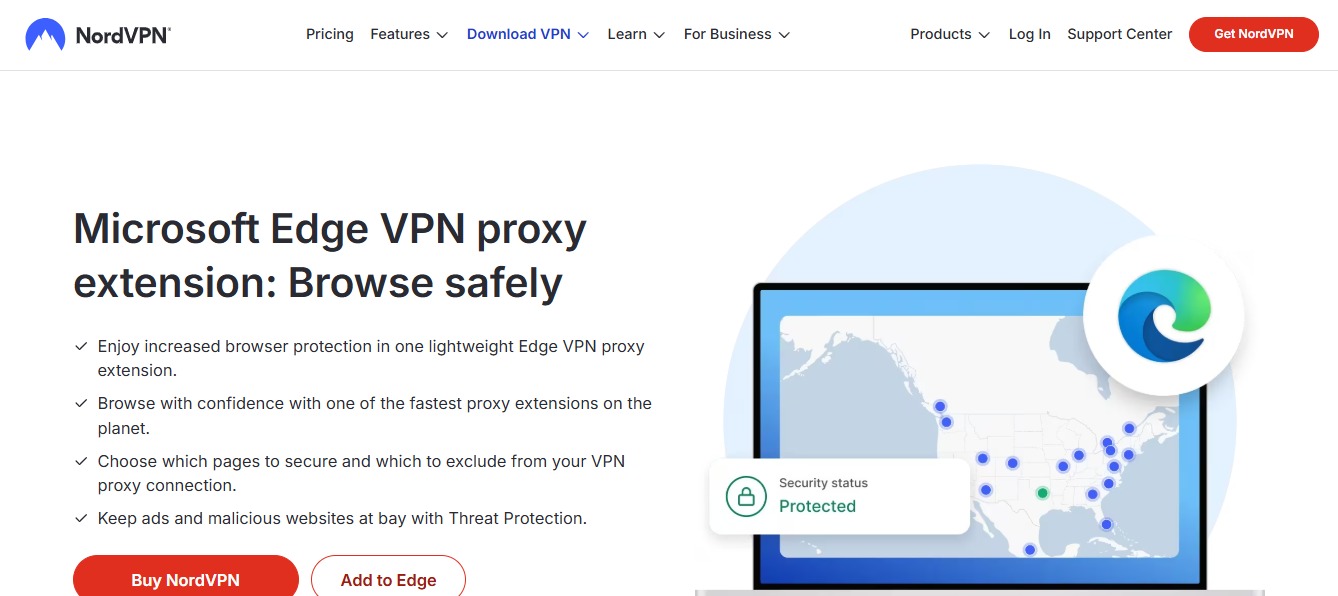
- VPN extensions are plentiful NordVPN, ExpressVPN, Surfshark, etc.. Look for well-reviewed options with clear logging policies and a real no-logs claim.
- How to install: Go to the browser’s extension store, search for a VPN, click Add to Chrome/Edge, and follow the prompts. Enable the extension and select a server.
- Pros: Easy to toggle on/off, wide server network, sometimes faster due to optimized extensions.
- Cons: Some extensions can slow down your browsing. not all are equally secure—read reviews and check independent testing if possible.
Firefox:
- Firefox users often prefer standalone VPN apps or reputable extensions. The same names NordVPN, Surfshark, ExpressVPN have extensions for Firefox.
- Steps: Open Firefox Add-ons, search for the VPN extension, add it, and log in if required.
- Pros: Strong privacy posture with many extension options.
- Cons: Similar to Chrome, the extension’s performance varies.
Brave:
- Brave doesn’t have a built‑in VPN, but you can install VPN extensions the same way as Chrome, since Brave supports Chrome Web Store extensions.
- Pros: You can keep Brave’s privacy features ads/shields plus an extension-based VPN.
- Cons: You’re still relying on extensions for VPN functionality, so you’ll want to pick a trusted provider.
General tips for extensions: Windscribe vpn chrome extension 2026
- Prefer providers with a transparent privacy policy, independent audits, and a proven track record.
- Look for features like “kill switch” and DNS leak protection in the extension description.
- Test for WebRTC leaks after enabling a VPN extension. disable WebRTC in the browser if necessary, or use extensions that mitigate leaks.
Why extensions aren’t always enough: Extensions only cover browser traffic, not apps on your device. If you want true device-wide protection for your email client, games, background apps, etc., you’ll want a full VPN service or a VPN app that runs on your device.
Built-in VPN vs extensions vs standalone VPN: a practical comparison
Built-in VPN the Opera approach:
- Pros: Quick setup, no extra costs for basic use, convenient for casual browsing.
- Cons: Limited server choices, not device-wide, privacy controls are lighter.
Browser extensions:
- Pros: Easy to toggle, quick access, wide server choices via several providers.
- Cons: Only browser traffic, some extensions may log data or rely on the provider’s policies.
Standalone VPN services Windows, macOS, iOS, Android apps:
- Pros: Device-wide protection, many servers worldwide, strong no-logs claims, additional features like kill switch, split tunneling, and DNS leak protection.
- Cons: Usually paid plans, can slow connection if servers are crowded, may require more setup.
Real-world takeaway: If your goal is simple privacy while browsing, Opera’s built-in VPN can be a good starting point. If you need robust privacy for all traffic and streaming, pair Opera with a reputable standalone VPN service or use an extension from a trusted provider for better coverage and tools. What is edge vpn app 2026
Privacy, security tips, and common pitfalls to avoid
- WebRTC leaks: Even with a VPN, WebRTC can reveal your real IP address in some browsers. Disable WebRTC or use browser settings/extensions that mitigate leaks.
- DNS leaks: Ensure your VPN built-in or extension protects DNS requests. otherwise, your ISP could still see what sites you’re visiting.
- Kill switch: If you’re using a standalone VPN app, enable the kill switch so your traffic doesn’t leak if the VPN disconnects.
- Logging and privacy policies: Built-in options are not the same as a no-logs VPN. If privacy is critical, rely on trusted providers with independent audits and transparent privacy policies.
- Server choice: For streaming, pick servers optimized for streaming in your region. For privacy, choose server locations with privacy-friendly laws and strong encryption standards.
- Speed considerations: VPNs often slow your connection a bit due to encryption and routing. If you notice significant speed drops, try a different server, protocol OpenVPN, WireGuard, or another provider.
VPNs for streaming and geo-bypass: what works in 2025
- Built-in VPNs and extensions can bypass some regional blocks, but streaming services frequently throttle or block VPN IPs.
- If your primary goal is streaming from a different country, stick to well-known, reputable VPNs with a large pool of IP addresses and servers designed for streaming e.g., NordVPN, ExpressVPN, Surfshark and test a few locations.
- Always verify the service’s current policy and server availability for your target streaming platform, because the changes as services crack down on VPNs.
Mobile browsers and on-the-go privacy
- Opera on mobile Android/iOS also offers a built-in VPN solution in some versions, but check the exact feature availability on your device. It provides the same browser-level protection as desktop.
- If you want full device-wide privacy on mobile, you’ll likely need a VPN app from a reputable provider. Many providers offer mobile apps with the same or better features as their desktop counterparts.
- When traveling or using public Wi‑Fi, enabling a VPN on your mobile device significantly raises your security level, especially for sensitive tasks like banking or logging into company portals.
Real-world setup tips and best practices
- Start simple: Turn on Opera’s built-in VPN as you browse for a week and monitor performance and privacy comfort. If you’re happy with it, you’re set for casual browsing.
- Add a trusted extension if needed: If you frequently access regions for work, a single browser extension from a reputable provider can provide you with more server options and better privacy guarantees than the built-in option alone.
- Consider a standalone VPN for heavy use: If you’re doing sensitive work, using banking apps, or streaming across multiple devices, a no-logs VPN service is a solid choice.
- Regularly review privacy settings: Privacy is a moving target. Check your browser and VPN settings every few months to take advantage of improvements and new safety features.
Best practices for choosing the right option for you
- If you want simplicity and free browser-level privacy, start with Opera’s built-in VPN and see how it fits your daily needs.
- If you want more servers, better privacy claims, and device-wide protection, pair Opera with a trusted standalone VPN service and consider a browser extension for convenience.
- If you’re a privacy nerd who loves control, test a few extensions from top providers, compare their policies, and run leak tests to see real-world performance.
Frequently Asked Questions
Frequently Asked Questions
Which browser has built-in VPN?
Opera is the browser with built-in VPN, offering browser-level VPN protection without needing separate apps for basic use.
Is Opera’s built-in VPN as good as a paid VPN service?
For casual browsing, Opera’s built-in VPN is convenient and free, but it isn’t a substitute for a paid, audited VPN service if you need device-wide protection, stronger no-logs guarantees, and advanced features like kill switch, DNS leak protection, and split tunneling.
Can I use VPN extensions in Chrome or Edge?
Yes. You can install VPN extensions from reputable providers in Chrome, Edge, and other Chromium-based browsers. These extensions provide browser-level protection and can be a good bridge between Opera’s built-in VPN and a full VPN service.
Does Brave browser have a built-in VPN?
Brave doesn’t include a true built-in VPN in the browser. It offers Tor integration in private windows, which provides an additional privacy layer, but it’s not the same as a full VPN. You can still use VPN extensions with Brave. Vpn para microsoft edge 2026
Are built-in VPNs safe for streaming?
They can be useful for bypassing simple regional blocks, but streaming services increasingly block VPN IPs. If your goal is reliable streaming from foreign libraries, rely on a well-established VPN service with a broad server network.
How do I enable Opera’s VPN?
In Opera, go to Settings > Privacy & Security > Enable VPN. You’ll see a shield icon in the address bar to monitor status and switch regions.
What should I look for in a good VPN extension?
Look for a clear privacy policy, independent audits if available, a kill switch, DNS leak protection, fast and reliable servers, and good user reviews.
Can I have Opera’s VPN and a VPN extension active at the same time?
Yes, but it can cause inconsistent routing or conflicts. It’s usually best to enable one active privacy solution at a time and disable other VPN routing when not needed.
Does WebRTC leak negate my VPN protection?
WebRTC leaks can reveal your real IP address even when a VPN is active. Disable WebRTC in your browser settings or use extensions that mitigate leaks to protect privacy. What is hotspot vpn and how it protects your data on public Wi-Fi and hotspot sharing explained 2026
Is a VPN necessary for everyday browsing?
If your goal is privacy from advertisers, safe browsing on public Wi‑Fi, or bypassing simple location blocks, a VPN helps. For highly sensitive data or professional privacy needs, pair a trustworthy VPN service with good security practices.
Can I use a browser VPN on mobile?
Yes, many browsers offer built-in VPNs like Opera or support VPN extensions via mobile equivalents, and standalone VPN apps work across browsers on mobile too. Always ensure you’re using a trusted provider.
How do I pick between built-in VPN, extensions, and standalone VPN?
- Built-in VPN: Quick and easy. best for casual privacy in one browser.
- Extensions: Good balance of control and convenience, works across multiple sites, but limited to browser traffic.
- Standalone VPN: Device-wide protection, advanced features, best for strong privacy and streaming needs, but requires a subscription.
Vpn私人ip 的完整指南:选择、设置与常见问题解答