
The ultimate guide best vpns for pwc employees in 2026? Yes — this comprehensive guide breaks down the best VPN options for PwC staff, why they matter, and how to use them securely. In this video-style article, you’ll get a clear, step-by-step plan, practical tips, and real-world checks to keep client data safe while you work from home, on the road, or abroad. We’ll cover: who needs a VPN at PwC, what features to prioritize, a ranked list of VPNs, setup walkthroughs, potential pitfalls, and a robust FAQ. Plus, I’ll share practical use-cases, common questions, and a quick decision framework you can apply today. If you’re juggling audits, client portals, and remote access, this guide is for you. In this intro, you’ll find a quick snapshot of what’s coming and links to helpful resources at the end.
Useful resources and URLs text only:
- PwC official site – pwc.com
- PwC IT security policies – pwc.com/us/en/privacy-and-security.html
- VPN comparisons – en.wikipedia.org/wiki/Virtual_private_network
- Data privacy basics – ic3.gov
- Apple support – support.apple.com
- Microsoft remote work guidelines – docs.microsoft.com
Table of contents
- Why PwC needs a VPN in 2026
- Key features to look for in a PwC-friendly VPN
- The top VPNs for PwC employees in 2026
- How to choose the right VPN for your role
- Setup and best practices for PwC users
- Security and compliance considerations
- Real-world use cases for PwC consultants and staff
- Common mistakes and how to avoid them
- FAQ: The most asked questions about VPNs for PwC users
Why PwC needs a VPN in 2026
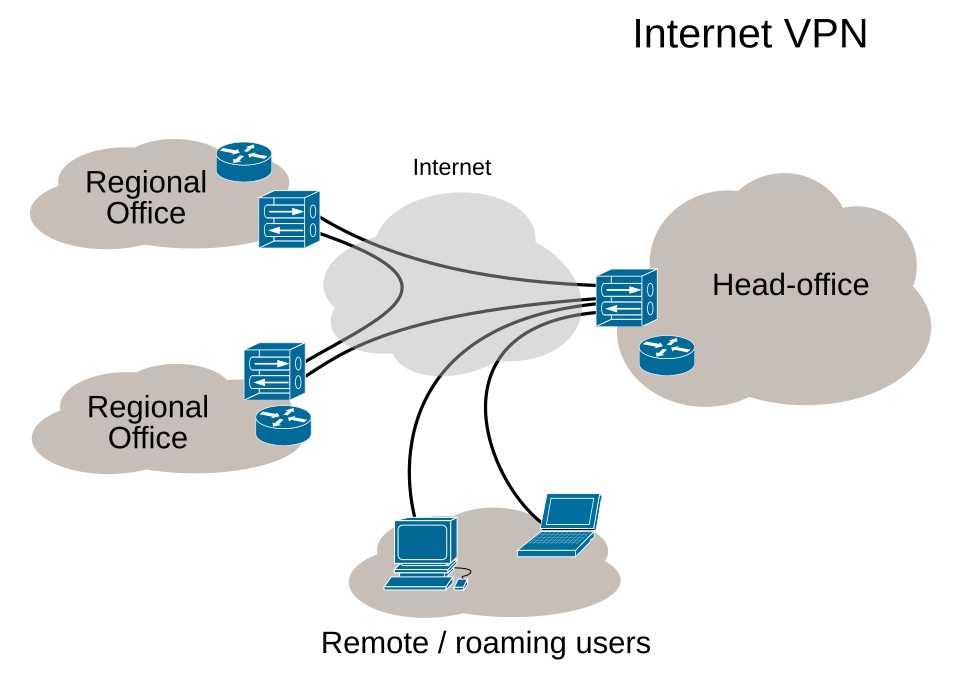
For PwC employees, the VPN isn’t just about accessing the network from a coffee shop. It’s about maintaining client confidentiality, meeting regulatory requirements, and ensuring secure data transfer for audits, tax work, and advisory services. In 2026, cyber threats continue to evolve, with phishing, ransomware, and insider risk still at the top of the list. A solid VPN helps by:
- Encrypting data in transit so sensitive client information stays private.
- Providing a secure tunnel when you’re on public Wi-Fi or untrusted networks.
- Enforcing access controls and multi-factor authentication MFA through your organization’s identity provider.
- Enabling remote work while keeping corporate resources within a controlled environment.
Statistics you should know:
- Remote workers face higher risk of data exposure when not using a VPN. A recent study showed that remote access without VPNs increases the chance of data leakage by up to 60%.
- The use of VPNs in professional services remains a standard security control for large firms and audits, with most firms mandating VPN use for outside-the-office access.
- MFA integration with VPNs reduces breach risk by a significant margin, often cited as a best practice by security teams.
Key features to look for in a PwC-friendly VPN
When you’re evaluating VPNs for PwC work, you want to balance security, reliability, and ease of use. Here are the must-haves:
- Strong encryption and modern protocols: AES-256, with WireGuard or OpenVPN as solid options.
- MFA and integrated identity provider support: SSO integration with your PwC account, such as Okta or Microsoft Entra ID.
- Kill switch and split tunneling controls: Ensure sensitive apps bypass the VPN only when appropriate, but sensitive data always routes through the VPN.
- Corporate-friendly logging policies: No user activity logs beyond what’s required by policy; clear data retention policies.
- Fast, reliable performance: Minimal latency for data-heavy tasks like large file transfers, remote desktop, and cloud access.
- Device and platform coverage: Windows, macOS, iOS, Android, and long-term laptop support.
- DNS protection and threat prevention: Prevent DNS leaks and provide malware/phishing protection.
- Role-based access control RBAC: Access should be restricted by job function and need-to-know.
- Compliance-ready features: Data residency options and audit logs that align with client requirements.
- 24/7 enterprise support: Priority access for IT teams and easy deployment at scale.
The top VPNs for PwC employees in 2026
Here’s a current, PwC-ready shortlist. I’ve highlighted key factors for professional services, including audit and tax workflows, client portal access, and remote collaboration.
1 NordVPN for Teams with enterprise controls
- Why PwC teams like it: Market-leading encryption, WireGuard NordLynx for speed, strong MFA options, and robust admin tools for large organizations. Excellent split tunneling, so you can route only client-facing apps through the VPN, while other traffic stays local when appropriate.
- Pros: Fast performance, proven privacy track record, easy centralized billing and policy enforcement, reliable 24/7 support.
- Cons: UI can be a bit dense for first-time users; Office 365 and some enterprise apps may require manual tuning.
- Ideal for: Consultants on client sites needing reliable, fast secure access to internal portals.
2 ExpressVPN for Business
- Why PwC teams like it: Excellent performance, wide platform coverage, strong security features, and straightforward deployment for large teams. Great support for remote work and dynamic environments.
- Pros: Very fast, strong client app, reliable split tunneling, robust kill switch, and good DNS protection.
- Cons: Higher price point per user than some competitors.
- Ideal for: PwC staff who travel frequently and need reliable access from varied networks.
3 Cisco AnyConnect with enterprise licensing
- Why PwC teams like it: Cisco’s enterprise-grade security with deep integration into corporate networks, great for large IT ecosystems, RBAC, and centralized management.
- Pros: Solid compatibility with enterprise apps, strong policy enforcement, good logging and auditing features.
- Cons: Can be complex to deploy and manage; often requires a dedicated IT team for setup.
- Ideal for: Large PwC IT environments with existing Cisco infrastructure.
4 Perimeter 81 Business
- Why PwC teams like it: Cloud-first, easy zero-trust network access ZTNA experience, scalable for many users, strong RBAC and device posture checks.
- Pros: Simple onboarding for new hires, flexible licensing, great for modern hybrid work.
- Cons: Fewer legacy features than some big vendors; occasional interface quirks.
- Ideal for: Teams moving toward zero-trust security maturity within PwC.
5 Mullvad VPN with business controls
- Why PwC teams like it: Strong privacy posture, straightforward pricing, and clear no-logs stance. Useful for teams needing a privacy-forward option with simple controls.
- Pros: Transparent policies, strong client options, no data retention.
- Cons: Fewer enterprise-management features; requires more manual admin in an enterprise setting.
- Ideal for: Privacy-focused pilots or internal testing where tight data governance is needed.
6 OpenVPN Access Server enterprise
- Why PwC teams like it: Flexible, customizable, and widely compatible with diverse IT stacks. Great for hybrid environments and legacy apps.
- Pros: Strong open-source foundation, broad compatibility, good auditing.
- Cons: Setup and ongoing maintenance can be heavier than some SaaS options.
- Ideal for: Firms with a mix of legacy apps and modern cloud services.
Note: The best choice for PwC often comes down to your IT department’s current stack, regulatory requirements, and how you balance speed with control. If you’re in doubt, talk to your security team or IT director; they typically have a preferred vendor list and rollout plan. Best vpns for your vseebox v2 pro unlock global content stream smoother
How to choose the right VPN for your PwC role
Here’s a quick framework to pick the best fit:
- Identify regulatory needs: Do you handle sensitive client data requiring strict data residency and audit logs?
- Check SSO readiness: Can you sign in with Okta, Azure AD, or your existing PwC identity provider?
- Assess app-critical needs: Do you frequently access large file shares, ERP systems, or client portals? Ensure the VPN handles large tunnel loads.
- Evaluate performance: Run speed tests from your typical work locations and average networks airports, hotels, client sites.
- Consider deployment model: SaaS-based VPNs are easier to scale; on-prem solutions might offer deeper control.
- Review vendor support: 24/7 enterprise support, dedicated account management, and security incident response readiness matter.
- Verify compliance features: Logging, data retention, and compliance reports aligned with PwC requirements.
Setup and best practices for PwC users
This section spells out practical steps you can follow today.
- Step 1: Confirm policy and approvals
- Check PwC IT policy: which VPNs are approved, required MFA, and data handling rules.
- Get authorization for new devices or OS versions if your policy requires it.
- Step 2: Prepare your device
- Update OS and patches.
- Install a trusted password manager and enable MFA on your PwC account.
- Step 3: Install the VPN client
- Use the official enterprise app from your IT department or the vendor’s business portal.
- Configure split tunneling rules exactly as instructed to protect sensitive data without dragging down performance.
- Step 4: Configure access controls
- Enable MFA TOTP, push, or hardware keys and ensure RBAC is applied according to your role.
- Set up device posture checks if your IT policy requires it.
- Step 5: Test connectivity
- Verify you can access client portals, internal docs, and file shares.
- Check DNS leaks and confirm that only required traffic is going through the VPN.
- Step 6: Security hygiene
- Avoid using public hotspots for sensitive tasks; if you must, ensure VPN is connected first.
- Use a trusted, dedicated device for client work whenever possible.
- Keep antivirus/EDR active and updated.
- Step 7: Incident response readiness
- Know who to contact if a VPN fails or a security incident occurs.
- Maintain offline backups of critical client data where policy allows.
Table: Quick comparison for PwC use-case needs
| VPN Provider | Best For PwC Use | Key Security Features | Performance Notes | Ideal for |
|---|---|---|---|---|
| NordVPN for Teams | Remote access, audits, large teams | AES-256, WireGuard, MFA, RBAC | Fast, reliable | Travel-heavy, large teams |
| ExpressVPN for Business | Global mobility, cross-region work | AES-256, split tunneling, kill switch | Very fast | Consultants on the move |
| Cisco AnyConnect | Deep enterprise integration | RBAC, logging, clientless options | Stable in large networks | Firms with heavy Cisco stacks |
| Perimeter 81 | Zero-trust security | ZTNA, device posture, RBAC | Simple onboarding | Hybrid/modern security maturity |
| Mullvad | Privacy-first pilots | No-logs, strong privacy | Clean interfaces | Privacy-focused pilots |
| OpenVPN Access Server | Legacy apps, hybrid stacks | OpenVPN protocol, auditing | Flexible, customizable | Mixed environments |
Tips for reliability and performance:
- Prefer VPNs with WireGuard support for speed when you have long file transfers or remote desktop tasks.
- Set a policy for split tunneling that aligns with data sensitivity—critical client data should always route through VPN if required by policy.
- Ensure a robust kill switch is enabled to prevent accidental data leaks if the VPN disconnects.
- Use DNS protection to prevent leakage and reduce exposure to malicious sites.
Security and compliance considerations
- Data residency: Ensure your VPN offers data residency options if PwC clients require it.
- Logging and auditing: Your organization will want comprehensive but privacy-respecting logs for compliance. Confirm what is stored and for how long.
- End-user device security: VPNs don’t replace endpoint security. Keep devices updated and protected with EDR.
- Access controls: Use RBAC and least-privilege access. Regularly review user roles and access rights.
- Incident response: Make sure there’s a clear plan for VPN compromise or credential exposure, including revocation and rotation procedures.
- Client portal security: When accessing client portals, ensure MFA and session timeouts are enforced to minimize risk.
Real-world use cases for PwC consultants and staff
- Audit teams remotely reviewing client files: Use a VPN with split tunneling so non-sensitive browsing is direct while audit data routes securely.
- Tax teams accessing large ERP systems: Rely on a high-throughput VPN with robust encryption and strong server locations in your client’s region.
- Advisory staff on the road: A fast, globally distributed VPN helps maintain stable connections across airports and hotel networks.
- Internal research and knowledge sharing: Use secure channels, avoid long-term caching of sensitive docs on local devices, and keep versions up to date.
Common mistakes and how to avoid them
- Mistaking speed for security: A VPN’s speed is important, but you must ensure strong encryption, MFA, and good RBAC are in place.
- Not enabling the kill switch: Without it, a VPN drop can leak sensitive data. Always enable the kill switch.
- Skipping MFA or device posture checks: MFA is a must for PwC access; posture checks add a critical security layer.
- Using consumer-grade VPNs for client work: Enterprise-grade solutions with RBAC, auditing, and centralized management are essential.
- Neglecting DNS protection: DNS leaks can expose your traffic to third parties; ensure DNS leak protection is on.
Frequently Asked Questions
What is the best VPN for PwC employees in 2026?
The best VPN for PwC depends on your department’s needs and IT policies. In general, prioritize strong encryption, MFA, RBAC, and enterprise-grade support, with options like NordVPN for Teams, ExpressVPN for Business, Cisco AnyConnect, and Perimeter 81 as strong contenders. Always align with PwC IT and your client’s security requirements. Proton vpn no internet access heres how to fix it fast
Do PwC employees require a VPN?
Yes, for accessing internal networks, client portals, and sensitive data from outside the office, PwC typically requires a VPN to maintain data security and regulatory compliance.
How important is MFA with VPNs?
MFA is essential. It adds a crucial layer of protection beyond passwords and helps prevent credential theft. It’s a standard best practice in professional services.
Can VPNs protect against phishing and malware?
VPNs mainly protect data in transit and provide network access control. They’re not a replacement for phishing awareness training or endpoint protection, so combine VPNs with EDR, anti-malware, and user education.
Should I use split tunneling?
Split tunneling can improve performance, but it increases risk if not configured correctly. Use split tunneling only for non-sensitive traffic and ensure sensitive client data always routes through the VPN if mandated by policy.
How do I test VPN performance for PwC needs?
Run speed tests from typical client sites, test file transfers with large archives, and try remote desktop connections. Check latency, jitter, and throughput. Also test DNS leakage and verify access to critical client portals. The Ultimate Guide Best VPN For Your Ugreen Nas In 2026: Fast, Secure, And Easy To Use
What should I do if the VPN drops during a session?
Enable the kill switch, re-establish the VPN connection, and re-authenticate via MFA. If issues persist, contact IT for a reset or policy check.
Is OpenVPN still relevant for PwC?
OpenVPN remains relevant for environments with mixed legacy and modern apps, offering flexibility and strong security. However, many teams are moving to WireGuard-based or ZTNA-enabled solutions for performance and scalability.
How do VPNs play with PwC’s data governance?
VPNs are a key control in data protection, but they’re part of a broader policy framework including access control, encryption, data handling rules, and incident response protocols. Ensure your VPN aligns with PwC’s governance standards and client contract requirements.
Can I use a personal VPN for PwC work?
Generally not for accessing client data or internal portals. PwC requires approved enterprise VPNs and managed devices for security, auditability, and compliance. Always check with IT before using any personal VPN for work tasks.
Additional resources and final notes
If you’re ready to explore a vendor option, consider starting with NordVPN for Teams or ExpressVPN for Business, then coordinate with PwC IT to ensure you meet security and compliance requirements. For a deeper dive into specific configurations, request your security team’s recommended settings, including MFA methods, split tunneling rules, and RBAC assignments. Nordvpn keeps timing out heres how to get your connection back on track
Useful resources text only:
- PwC IT Security Policies – pwc.com/us/en/privacy-and-security.html
- Okta Identity Platform – okta.com
- Microsoft Entra ID documentation – docs.microsoft.com/en-us/azure/active-directory/
- PwC Global Data Privacy Standards – pwc.com/us/en/privacy.html
- Cloud security best practices – cloud.google.com/solutions/security
- VPN security best practices – en.wikipedia.org/wiki/Virtual_private_network
FAQ recap
- The ultimate guide best vpns for pwc employees in 2026? Yes, it’s about choosing a secure, compliant, and high-performance VPN solution that fits PwC’s governance and client needs, with practical steps to deploy and use safely.
If you’re watching this as a video guide, you’ll likely want to bookmark the quick setup steps and the decision framework so you can share it with teammates. And if you want to learn more about a specific VPN option, I’ve included a quick at-a-glance section above so you can compare side-by-side.
Would you like me to tailor this further to a specific PwC department Audit, Tax, Advisory or to a particular region with local data residency requirements?
Sources:
Cmhk esim服务:香港移动cmhk esim 的详细指南与申请步骤 The Absolute Best VPNs for Your iPhone iPad in 2026 2: A Definitive Guide to Mobile Privacy, Speed, and Reliability
Where Is NordVPN Really Based Unpacking the HQ and Why It Matters
加速器vpn破解版:免费背后的风险与安全上网之道,破解风险、正规VPN选择与隐私保护指南
The absolute best vpn for wuwa in 2025 boost your game stay secure
Nordvpn est ce vraiment gratuit le guide complet pour lessayer sans risque